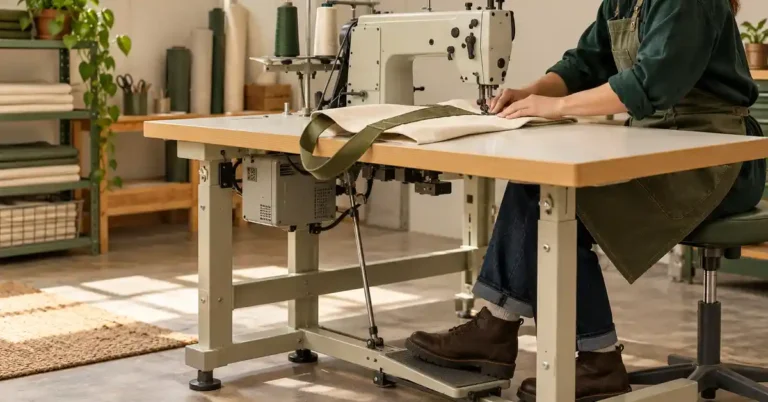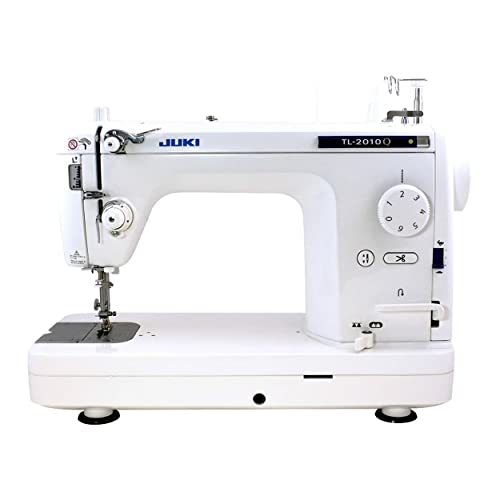

When it comes to sewing machines, Juki is a name that often comes up in discussions about reliability, quality, and performance. Known for their innovative technology and precision engineering, Juki sewing machines have become a preferred choice for both hobbyists and professionals. But where are Juki sewing machines made? Understanding the origins of these machines can give you insight into their construction, quality control, and the overall brand philosophy.
History of Juki
Founded in 1938, Juki Corporation started its journey by producing sewing machines for the apparel industry. The company’s commitment to innovation and quality helped it grow rapidly, and by the 1950s, Juki had established itself as a global leader in the sewing machine market. The brand’s focus on research and development has led to numerous patents and cutting-edge technologies that enhance the sewing experience.
Key Milestones
- 1938: Juki Corporation founded in Japan.
- 1953: Introduction of the first Juki industrial sewing machine.
- 1960s: Expansion into the international market.
- 1980s: Introduction of electronic sewing machines.
- 2000s: Launch of advanced computerized sewing and embroidery machines.
Manufacturing Locations
Juki sewing machines are primarily manufactured in Japan, where the company maintains strict quality control standards. In addition to its Japanese facilities, Juki has expanded its production capabilities to other countries to meet global demand while maintaining quality.
Japan: The Heart of Juki Production
The main manufacturing facility is located in Japan, where traditional craftsmanship meets modern technology. This facility produces high-end models, including industrial sewing machines and advanced computerized machines for home use.
Global Production Facilities
To keep up with international demand, Juki has established production facilities in various countries, including:
- China
- Vietnam
- Brazil
These facilities focus on producing more accessible models while ensuring that Juki’s quality standards are met. This global approach allows Juki to cater to diverse markets while maintaining competitive pricing.
Quality Control Measures
Quality is a cornerstone of Juki’s brand philosophy. The company employs stringent quality control measures to ensure that every machine meets high performance and durability standards.
Manufacturing Standards
Juki adheres to ISO 9001 quality management standards, which means that every aspect of production is monitored and optimized for quality assurance. This includes rigorous testing of machines before they reach the market.
Customer Feedback and Continuous Improvement
Juki actively seeks feedback from users and incorporates it into their design processes. This dedication to continuous improvement ensures that Juki machines are not only high-quality but also user-friendly and efficient.
Product Range
Juki offers a wide range of sewing machines, catering to various needs and skill levels. From industrial machines to home sewing and embroidery machines, there is a Juki model for everyone.
Industrial Sewing Machines
Juki is well-known for its industrial sewing machines, which are designed for high-volume production environments. These machines are built for speed, durability, and precision, making them popular in factories and workshops.
Home Sewing Machines
For home users, Juki offers a selection of sewing machines that combine ease of use with advanced features. Models like the Juki HZL series are perfect for quilters and garment makers alike.
Embroidery Machines
Juki’s embroidery machines, such as the Juki Tajima series, are designed for those who want to take their sewing projects to the next level. These machines come with various built-in designs and allow for customization, making them ideal for both personal and commercial use.
Juki vs. Competitors
With numerous sewing machine brands on the market, it’s essential to understand how Juki stacks up against its competitors. Brands like Brother, Singer, and Bernina are also popular choices among sewers.
Performance and Durability
Juki machines are often praised for their performance and durability, especially when compared to other brands. While some competitors may offer more budget-friendly options, Juki’s commitment to quality often justifies the higher price point.
Technology and Features
Juki is known for incorporating advanced technology in their machines, such as automatic needle threading, adjustable speed control, and various stitch options. Competitors may offer similar features, but Juki’s engineering often sets their machines apart in terms of reliability.
Frequently Asked Questions
A: Juki sewing machines are primarily manufactured in Japan, with additional facilities in China, Vietnam, and Brazil.
A: Yes, Juki offers a range of machines designed for beginners, featuring user-friendly interfaces and helpful features.
A: Juki produces a variety of sewing machines, including industrial machines, home sewing machines, and specialized embroidery machines.
A: Juki adheres to ISO 9001 standards and actively seeks customer feedback to continuously improve their products.
Conclusion
Understanding where Juki sewing machines are made provides valuable insight into their quality and craftsmanship. With a rich history, a commitment to innovation, and strict quality control measures, Juki has established itself as a leader in the sewing machine industry. Whether you are a professional or a hobbyist, investing in a Juki sewing machine can enhance your sewing experience and provide the reliability you need for your projects.
For those looking to elevate their sewing or embroidery projects, don’t forget to check out our articles on Must-Have Iron Transfers for Embroidery Success!, Why Mighty Hoops Are a Game-Changer for SmartStitch Machines, and Reliable Multi Embroidery Machine Review: Key Features Explained. Additionally, for the best results, explore our recommendations on Transform Your Embroidery: Discover the Best Needles! and Naturally Perfect Polo Shirts for Embroidery!.