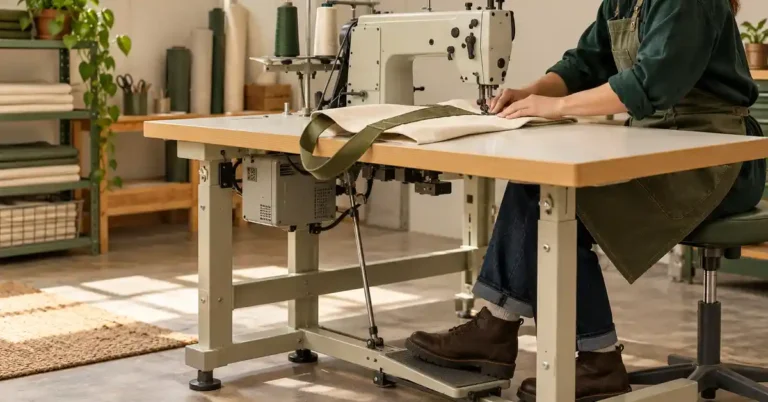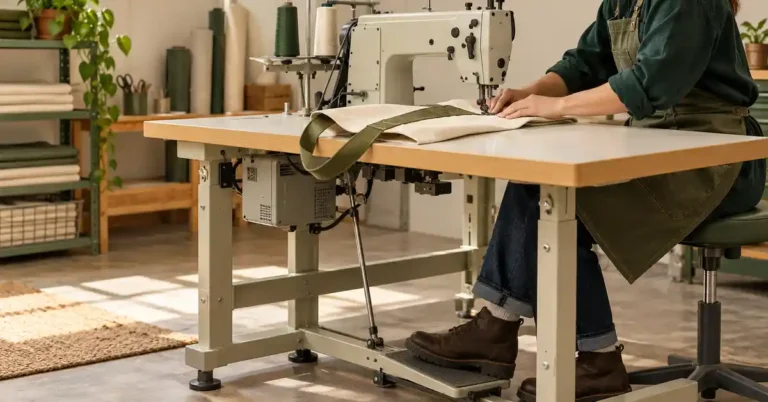
The knee pedal sewing machine is a remarkable tool that enhances the sewing experience, especially for those who engage in intricate projects. This innovative machine allows users to control the presser foot with their knee, freeing up both hands for fabric manipulation. Whether you’re a sewing novice or an experienced tailor, understanding the functionalities and advantages of a knee pedal sewing machine can significantly elevate your sewing game.
What is a Knee Pedal Sewing Machine?
A knee pedal sewing machine is equipped with a knee lift mechanism that allows the sewer to raise and lower the presser foot by using their knee. This feature is particularly advantageous when working with multiple layers of fabric or during complex sewing tasks where both hands are needed to guide the material. The machine can be operated as a standard sewing machine, but the knee pedal adds an element of control and convenience that is invaluable for many sewers.
Benefits of a Knee Pedal Sewing Machine
Investing in a knee pedal sewing machine comes with numerous advantages that can improve your sewing projects and overall experience.
Enhanced Control
With the knee pedal, users can maintain a steady rhythm while sewing, allowing for more precise stitching. This is especially beneficial for quilting or sewing intricate patterns where accuracy is crucial.
Increased Efficiency
Utilizing a knee pedal can significantly speed up the sewing process. As the presser foot can be raised and lowered without hand involvement, users can quickly reposition fabric, reducing interruptions in workflow.
Ergonomic Benefits
The knee lift mechanism can also reduce strain on the wrists and hands, making it easier for users to sew for extended periods without discomfort. This is particularly important for those who sew regularly or work on large projects.
Versatility
Knee pedal sewing machines are versatile and can handle a wide range of sewing tasks, from quilting to garment construction. They are suitable for both detailed work and more straightforward sewing tasks, making them a valuable addition to any sewing room.
How to Use a Knee Pedal Sewing Machine
Using a knee pedal sewing machine is straightforward, but it does require some adjustments to your usual sewing technique. Follow these steps to get started:
Setting Up Your Machine
- Ensure your machine is set up correctly with the knee pedal connected and functioning properly.
- Adjust your sewing chair height so that your knee can easily reach the pedal.
- Thread your machine and select the appropriate stitch settings based on your fabric and project needs.
Operating the Knee Pedal
Once your machine is set up, you can begin sewing:
- Place your fabric under the presser foot and prepare to start sewing.
- Use your knee to lift the presser foot when you need to pivot or adjust the fabric. This will allow you to keep both hands on the fabric.
- Lower the presser foot by pressing down on the knee pedal to resume sewing.
Popular Models of Knee Pedal Sewing Machines
Several brands offer knee pedal sewing machines, each with unique features. Here are some popular models to consider:
| Model | Key Features | Price Range |
|---|---|---|
| Brother PQ1500SL | High-speed sewing, adjustable presser foot, knee lift feature | $800 – $1,000 |
| Singer Quantum Stylist 9960 | 600 built-in stitches, automatic needle threader, knee lift | $400 – $600 |
| Juki TL-2010Q | Professional quality, fast sewing, knee lift function | $900 – $1,200 |
Maintenance Tips for Knee Pedal Sewing Machines
Like any sewing machine, knee pedal sewing machines require regular maintenance to ensure optimal performance. Here are some essential tips:
Regular Cleaning
Keep your machine clean by removing lint and dust after each use. Use a soft brush and a vacuum attachment to get into hard-to-reach areas.
Oil the Machine
Refer to your user manual for specific oiling instructions. Regular oiling helps keep the moving parts lubricated and functioning smoothly.
Check the Knee Pedal
Periodically inspect the knee pedal mechanism for any signs of wear or misalignment. Make adjustments as necessary to ensure consistent performance.
FAQ
A: No, not all sewing machines are designed to accommodate a knee pedal. It is essential to purchase a machine that specifically includes this feature.
A: Generally, knee pedal sewing machines can be more expensive due to their specialized features. However, the investment can be worthwhile for serious sewers due to the added convenience and efficiency.
A: While they don’t require significantly different maintenance than standard machines, it’s crucial to ensure that the knee mechanism is functioning properly and is free from debris.
In conclusion, a knee pedal sewing machine can be a game-changer for anyone serious about sewing. With its unique features designed for enhancing control, efficiency, and comfort, it provides a distinct advantage in a craft that requires precision. Whether you’re quilting, crafting garments, or diving into embroidery, understanding how to utilize and maintain a knee pedal sewing machine can transform your sewing experience. For those interested in expanding their sewing and embroidery skills, consider exploring resources such as Discover the Best Embroidery in Des Moines! or check out the Brother Entrepreneur Pro X PR1050X Embroidery Machine Review for additional insights. Happy sewing!