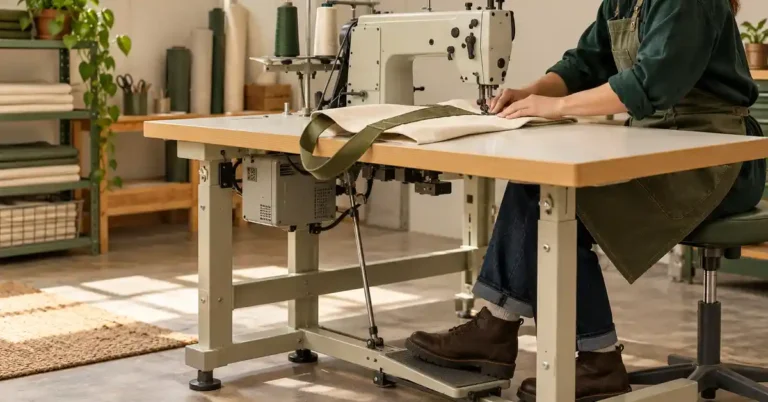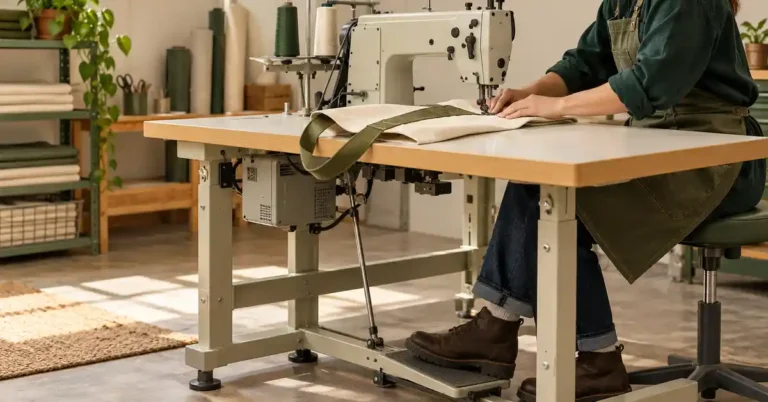
In the world of sewing and embroidery, the knit foot sewing machine has emerged as a game changer for both amateur sewers and seasoned professionals. With its unique capabilities tailored for knitting fabrics, it allows for precision and creativity that can elevate your sewing projects to new heights. Whether you’re crafting garments, home décor, or accessories, understanding how to utilize a knit foot sewing machine can unlock a world of possibilities.
What is a Knit Foot Sewing Machine?
A knit foot sewing machine is a type of sewing machine equipped with a specialized presser foot designed to manage knitted fabrics. Unlike standard presser feet, a knit foot has features that prevent stretching and misalignment of the fabric layers that often occur during sewing. This is crucial when working with stretchable materials, as it ensures that seams remain intact and fabric retains its original shape.
How It Works
The knit foot operates by providing even pressure across the fabric, allowing for smooth feeding through the machine. This is particularly beneficial for sewing seams on stretchy materials, as it reduces the risk of puckering or uneven stitches.
Benefits of Using a Knit Foot Sewing Machine
Investing in a knit foot sewing machine comes with numerous benefits that can enhance your sewing experience. Here are some of the key advantages:
- Precision: The knit foot allows for precise control over the fabric, ensuring that your seams are clean and professional-looking.
- Versatility: This machine can handle a variety of knit fabrics, from lightweight jersey to heavier knits, making it suitable for various projects.
- Time Efficiency: With a knit foot, you can sew knits faster and with fewer mistakes, saving you time in the long run.
- Reduced Fabric Damage: The design of the knit foot minimizes the risk of fabric stretching or tearing, preserving the quality of your materials.
How to Use a Knit Foot Sewing Machine
Using a knit foot sewing machine may seem daunting at first, but with the right guidance, you can master it in no time. Here’s a step-by-step guide to get you started:
1. Setting Up Your Machine
Before you begin sewing, ensure your machine is set up properly:
- Attach the knit foot if it’s not already in place.
- Choose the appropriate needle for your fabric (a ballpoint needle is recommended for knits).
- Thread the machine with a suitable thread, preferably polyester or cotton blend, which has some stretch.
2. Adjusting Your Stitch Settings
Adjust your machine’s stitch settings for optimal performance:
- Select a stretch stitch or a zigzag stitch, which allows the seam to stretch with the fabric.
- Set the stitch length to about 2.5 to 3mm for best results.
- Experiment with tension settings; a looser tension may work better for knits.
3. Preparing Your Fabric
Prepare your fabric before sewing:
- Pre-wash your fabric to avoid shrinkage after construction.
- Pin or use fabric clips to secure layers together, being careful not to stretch the fabric.
4. Sewing Your Fabric
When you’re ready to sew, follow these tips:
- Start sewing slowly to get a feel for the machine and fabric.
- Guide the fabric gently but don’t pull it, allowing the machine to do the work.
- Use the knee lift (if available) to raise the presser foot without using your hands, which can be helpful for pivoting corners.
Maintenance Tips for Knit Foot Sewing Machines
Proper maintenance of your knit foot sewing machine is essential to ensure its longevity and consistent performance. Follow these tips to keep your machine in top shape:
- Regular Cleaning: Remove lint and debris from the machine and the presser foot after each project. Use a soft brush or a vacuum attachment designed for sewing machines.
- Oiling: Refer to your machine’s manual for oiling instructions. Some machines require oiling, while others are self-lubricating.
- Check for Wear: Inspect the needle, presser foot, and other components regularly for signs of wear or damage. Replace as necessary.
- Store Properly: Keep your machine covered when not in use to protect it from dust and other damage.
Common Issues and Troubleshooting
Even with the best machines, you may encounter some common issues when using a knit foot sewing machine. Here’s how to troubleshoot these problems:
| Issue | Possible Cause | Solution |
|---|---|---|
| Puckering of Fabric | Incorrect tension settings | Adjust the tension and use a stretch stitch. |
| Skipped Stitches | Wrong needle type or dull needle | Change to a ballpoint needle and replace if dull. |
| Thread Bunching | Incorrect threading or tension | Re-thread the machine and adjust the tension settings. |
| Uneven Stitches | Poor feed mechanism performance | Check for lint buildup and clean the machine. |
A: Yes, while a knit foot is optimized for stretchy fabrics, it can also be used with non-knit fabrics. However, you may achieve better results with a standard presser foot for those materials.
A: For most knit fabrics, a zigzag stitch or a stretch stitch is recommended, as they allow the seams to stretch without breaking.
A: This machine is ideal for making t-shirts, leggings, swimwear, and any other projects that involve stretchy materials.
Conclusion
The knit foot sewing machine is an invaluable tool for anyone looking to work with knit fabrics. Its ability to handle stretchy materials with precision and ease makes it an essential addition to your sewing arsenal. By understanding how to use, maintain, and troubleshoot your machine, you can create beautiful, professional-quality projects that showcase your creativity and skill. So, whether you’re making a cozy sweater or a sleek pair of leggings, investing time in mastering your knit foot sewing machine will certainly pay off in your sewing journey.
For more sewing tips and inspiration, don’t forget to check out our articles on Unlock Creativity: Must-Have Fonts for Hand Embroidery!, Why the 4 Head Tajima Embroidery Machine Stands Out, and Review: Topaz 50 Embroidery Machine. Transform your sewing projects by learning about Stitching Magic: Transform Shirts with Embroidery Designs and discover the Best Embroidery Floss Colour Chart to enhance your embroidery skills!