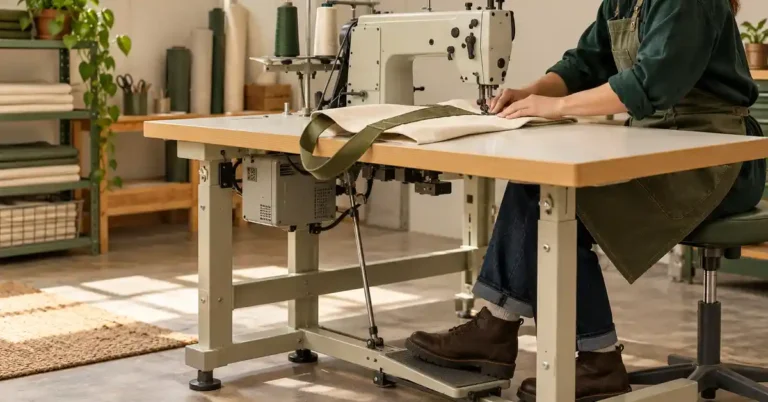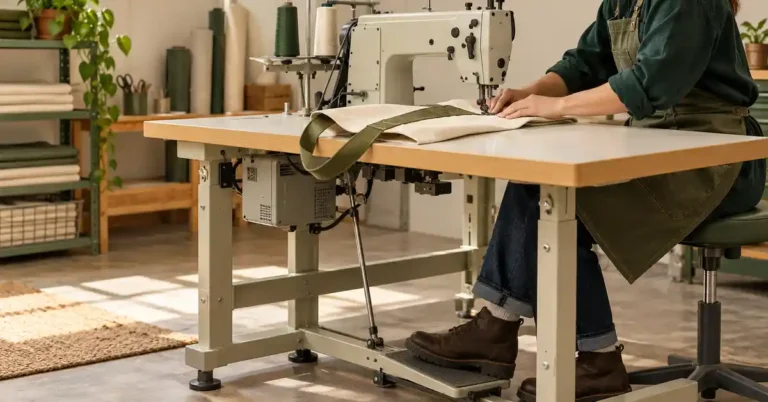
Understanding how a sewing machine operates is fundamental for both beginners and experienced crafters. A labelled diagram of a sewing machine serves as an excellent tool to familiarize oneself with the various components and their functions. In this article, we’ll explore the different parts of a sewing machine, their roles, and how they contribute to the sewing process. By gaining a comprehensive understanding of these elements, you can improve your sewing skills and troubleshoot any issues that may arise during your projects.
Overview of a Sewing Machine
A sewing machine is a mechanical or electronic device that stitches fabric together using thread. The advent of sewing machines revolutionized the textile industry, making garment production faster and more efficient. Understanding the layout and functionalities of a sewing machine can significantly enhance your sewing experience. Below is a labelled diagram of a sewing machine that illustrates its essential components.
Key Components of a Sewing Machine
Let’s delve into the core components of a sewing machine, exploring what each part does and how it contributes to the overall functionality.
Sewing Machine Head
The sewing machine head is the main body of the machine where most of the action occurs. It houses the motor, gears, and other essential components. The head is typically made from durable materials to withstand the rigors of sewing.
Needle and Presser Foot
The needle is one of the most crucial components of a sewing machine. It pierces the fabric to create stitches. Different needle types are designed for various fabrics and sewing techniques. The presser foot holds the fabric in place while sewing, ensuring even stitching.
| Needle Type | Best For |
|---|---|
| Universal Needle | Most fabrics |
| Ballpoint Needle | Knit fabrics |
| Jeans Needle | Denim and heavy fabrics |
Bobbin and Bobbin Case
The bobbin is a small spool that holds the bottom thread, which intertwines with the top thread to create stitches. The bobbin case is where the bobbin is housed and plays a critical role in maintaining proper tension for the bottom thread.
Tension System
The tension system regulates the tightness of the threads during sewing, ensuring that the stitches are neither too loose nor too tight. Proper tension is crucial for achieving even, professional-looking stitches.
Stitch Selector
The stitch selector allows you to choose different stitch types, such as straight, zigzag, or decorative stitches. Understanding how to use this feature can expand your sewing capabilities and creativity.
Maintenance Tips for Your Sewing Machine
Proper maintenance of your sewing machine is essential for its longevity and performance. Here are some key maintenance tips:
- Regular Cleaning: Clean your sewing machine after every few projects to remove lint and dust.
- Oil the Machine: Refer to your machine’s manual for oiling instructions and use only the recommended oil.
- Change Needles: Replace needles regularly, especially if you notice skipped stitches or broken threads.
- Check Tension: Ensure the tension is correctly set for the fabric you are using.
Frequently Asked Questions
A: The most common problems include thread jams, needle breakage, and issues with tension. Regular maintenance can help prevent these issues.
A: It is recommended to service your machine at least once a year, or more frequently if you sew regularly.
A: It’s best to use thread that is compatible with your sewing machine and the fabric you are working with for optimal results.
In conclusion, understanding the labelled diagram of a sewing machine and the functionality of its various components can significantly improve your sewing experience. By familiarizing yourself with these parts, you can troubleshoot issues more effectively and enhance your overall skill set. For those looking to explore more about sewing and embroidery, check out articles such as Is the Embroidery Machine India Price Worth It? My Review!, Stylish Lab Coat with Personalized Embroidery, and Discover the Best Embroidery in Des Moines!. Happy sewing!