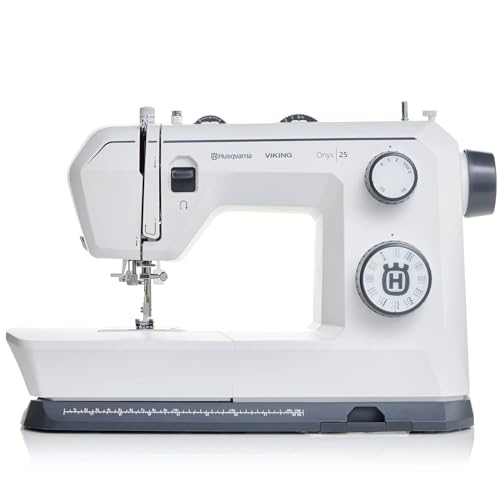

The world of sewing machines is vast and varied, with numerous brands offering a range of products tailored to meet the needs of both amateur and professional sewers alike. Among these brands, Husqvarna stands out as a reputable name synonymous with quality and innovation. For many enthusiasts, understanding the origins of their favorite sewing machines can enhance their appreciation of the craftsmanship involved. So, where are Husqvarna sewing machines made, and what does this mean for the quality and reliability of the products? Let’s dive into the details.
Table of Contents
- The History of Husqvarna
- Where Is Husqvarna Sewing Machines Made?
- Quality Control and Standards
- Popular Husqvarna Sewing Machine Models
- Maintaining Your Husqvarna Sewing Machine
- Conclusion
- FAQ
The History of Husqvarna
Husqvarna, founded in 1689, originally started as a firearms factory in Sweden. Over the centuries, the company diversified its production and began manufacturing sewing machines in 1872. Since then, Husqvarna has evolved into a leader in the sewing and embroidery machine market, blending traditional Swedish craftsmanship with cutting-edge technology. The company’s commitment to quality and innovation has solidified its reputation among sewing enthusiasts worldwide.
Where Is Husqvarna Sewing Machines Made?
Husqvarna sewing machines are predominantly produced in Sweden, where the company’s headquarters is located. The Swedish production facility is known for its advanced manufacturing techniques and skilled workforce. Additionally, Husqvarna has established production facilities in other countries, including Vietnam and the United States, which allows the brand to meet the global demand for its products.
The decision to manufacture in multiple locations helps Husqvarna maintain competitive pricing while ensuring that the quality of its sewing machines remains high. Each facility adheres to the strict quality control measures that the brand is known for, ensuring consistency across all models.
Quality Control and Standards
Quality control is paramount in the manufacturing process of Husqvarna sewing machines. The brand employs rigorous testing protocols to ensure that every machine meets its high standards before it reaches the consumer. This includes thorough inspections during every stage of production, from assembly to final testing.
Husqvarna’s commitment to quality is reflected in the materials used in their machines. The company sources durable components and employs modern engineering techniques, which contribute to the longevity and reliability of their products.
Popular Husqvarna Sewing Machine Models
Husqvarna offers a wide range of sewing machines, each designed to cater to different sewing needs. Here are some of the most popular models:
| Model | Type | Key Features |
|---|---|---|
| Husqvarna Viking Emerald 118 | Mechanical | 25 stitch options, easy-to-use interface, and adjustable stitch length. |
| Husqvarna Viking Opal 690Q | Computerized | Large color touch screen, 160 stitch options, and advanced sewing features. |
| Husqvarna Viking Designer Epic 2 | Embroidery | Large embroidery area, built-in tutorials, and Wi-Fi connectivity for design sharing. |
Each of these models showcases the innovation and quality that Husqvarna is known for, making them a favorite among sewists and embroiderers alike.
Maintaining Your Husqvarna Sewing Machine
Proper maintenance is essential to ensure the longevity and optimal performance of your Husqvarna sewing machine. Here are some tips for keeping your machine in top condition:
1. **Regular Cleaning**: Use a soft brush and a lint roller to remove dust and fabric debris from the machine. Pay special attention to the feed dogs and bobbin case.
2. **Lubrication**: Follow the manufacturer’s guidelines for lubrication. Husqvarna machines typically require oiling at specific points to keep them running smoothly.
3. **Check Tension**: Regularly check the thread tension to ensure even stitches. Adjust as necessary based on the fabric you are using.
4. **Professional Servicing**: Consider scheduling a professional service annually to have your machine thoroughly checked and serviced.
Conclusion
Husqvarna sewing machines are a testament to quality and innovation, with a rich history that dates back over three centuries. Primarily manufactured in Sweden, these machines combine traditional craftsmanship with modern technology, ensuring that they meet the needs of today’s sewists. By understanding where Husqvarna sewing machines are made and how to maintain them, users can appreciate the artistry and engineering behind these remarkable tools. Whether you’re a beginner or an advanced sewer, investing in a Husqvarna sewing machine can enhance your sewing experience and unlock new creative possibilities.
A: Husqvarna sewing machines are primarily manufactured in Sweden, with additional production facilities in Vietnam and the United States.
A: Husqvarna offers a variety of sewing machines, including mechanical, computerized, and embroidery machines, catering to different sewing needs.
A: Regular cleaning, lubrication, checking thread tension, and professional servicing are essential for maintaining your Husqvarna sewing machine.
A: Yes, Husqvarna sewing machines are known for their quality, durability, and innovative features, making them a worthwhile investment for both beginners and experienced sewists.
For those interested in exploring different types of crafts, consider checking out our article on Needlepoint vs Cross Stitch vs Embroidery: A Craft Showdown. If you want to revolutionize your sewing experience, learn more about the 3D Puff Embroidery Machine. For custom designs at home, check out my favorite Home Embroidery Machine. Looking for a specific feature? Read our Review on Embroidery Machines with USB Ports. Lastly, don’t forget to explore the fun of crafting with Naturally Perfect Punch Needle Supplies!