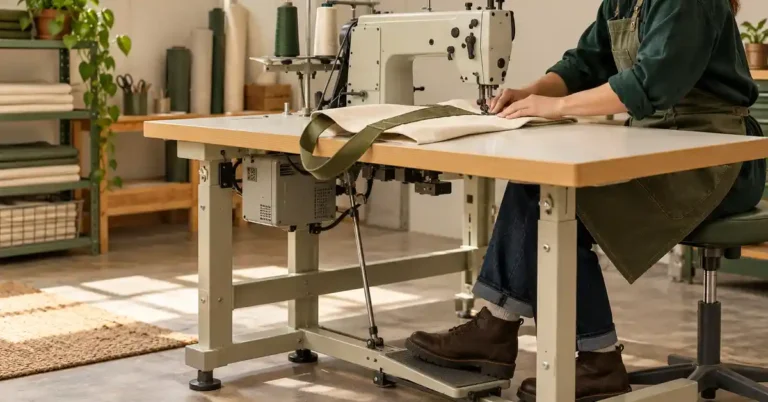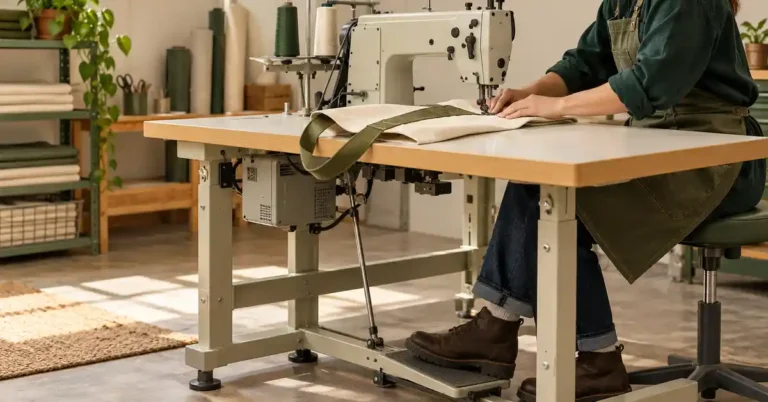
The Landis leather sewing machine has long been a staple in the world of leather crafting and industrial sewing. Known for its durability, precision, and ability to handle heavy materials, this machine has become a favorite among both hobbyists and professionals. Whether you are looking to create high-quality leather goods or simply wanting to expand your sewing capabilities, understanding the features and benefits of the Landis leather sewing machine can help you make an informed decision. In this article, we will delve deeper into the functionality, advantages, and maintenance of this robust sewing tool, ensuring you have all the information needed to enhance your sewing experience.
Landis Leather Sewing Machine Overview
The Landis leather sewing machine is specifically designed for sewing leather and thick fabrics, setting itself apart from standard sewing machines. Its robust construction and specialized features allow it to tackle projects that require precision in stitching, durability, and strength. It is ideal for crafting leather bags, belts, upholstery, and other heavy-duty items. The machine’s design includes a walking foot mechanism, which helps to move multiple layers of thick material smoothly through the machine, ensuring even stitches and consistent tension.
Key Features of the Landis Leather Sewing Machine
1. Heavy-Duty Construction
The Landis leather sewing machine is built from high-quality materials designed to withstand the rigors of heavy sewing. The machine’s frame is typically made of cast iron or a similarly sturdy material, providing stability and minimizing vibration during operation.
2. Walking Foot Mechanism
One of the standout features of the Landis sewing machine is its walking foot mechanism. This feature allows the presser foot to move in sync with the feed dogs, ensuring that multiple layers of heavy material are fed evenly. This is particularly important when working with leather, which can be challenging to sew due to its thickness and texture.
3. Adjustable Stitch Length
The Landis leather sewing machine offers adjustable stitch lengths, enabling users to customize their stitching based on the project requirements. This flexibility is crucial for achieving the desired look and strength in leather goods.
4. High-Quality Needles
These machines often come with specialized needles designed for leather sewing. These needles are sharper and stronger than regular sewing needles, allowing them to penetrate tough materials without breaking.
5. Large Bobbin Capacity
Landis machines typically feature a large bobbin capacity, meaning less frequent bobbin changes during extensive sewing projects. This is particularly beneficial when working on large leather items or bulk projects.
Benefits of Using a Landis Leather Sewing Machine
Investing in a Landis leather sewing machine comes with numerous advantages that can enhance your sewing experience:
1. Precision and Consistency
The unique design and features of the Landis machine ensure that users can achieve precise stitches consistently. This is particularly important in leather crafting, where the quality of stitching can make or break a project.
2. Versatile Applications
While primarily designed for leather, the Landis sewing machine can also handle other thick materials such as canvas, upholstery fabrics, and denim. This versatility makes it a valuable addition to any sewing arsenal.
3. Time Efficiency
The efficiency of the Landis machine can significantly reduce the time spent on sewing projects. Its large bobbin capacity and ability to handle multiple layers of fabric without jamming allow for quicker project completion.
4. Durability
Landis machines are built to last, making them a worthwhile investment for serious crafters and professionals. With proper maintenance, these machines can serve you for many years, providing reliable performance throughout their lifespan.
Maintenance Tips for Your Landis Leather Sewing Machine
To ensure your Landis leather sewing machine remains in optimal condition, regular maintenance is essential. Here are some tips to keep your machine running smoothly:
1. Regular Cleaning
Dust and debris can accumulate in your sewing machine, affecting its performance. Regularly clean the machine, especially around the feed dogs and bobbin area, to prevent buildup. Use a soft brush or compressed air to remove lint and dust effectively.
2. Lubrication
Proper lubrication is vital for the smooth operation of your sewing machine. Refer to the manufacturer’s guidelines on where and how to lubricate your Landis machine. Typically, oiling the moving parts and the needle bar will help maintain functionality.
3. Needle Replacement
Regularly check and replace the sewing needle, especially if you notice skipped stitches or difficulty in sewing. A dull or damaged needle can lead to poor-quality stitching and potential damage to your project.
4. Tension Adjustment
Adjusting the thread tension is crucial for achieving the desired stitch quality. If your stitches appear loose or tight, consult the manual for guidelines on how to adjust the tension correctly.
Common Issues and Troubleshooting
Even the best machines can encounter problems from time to time. Here are some common issues users may experience with their Landis leather sewing machine and possible solutions:
1. Skipped Stitches
Skipped stitches can occur for several reasons, including a dull needle, incorrect needle positioning, or improper thread tension. Ensure that you are using a suitable needle for leather, check the needle’s installation, and adjust the tension as needed.
2. Thread Bunching or Jamming
If you experience thread bunching or jamming, it may be due to incorrect threading or a tangled bobbin. Rethread the machine following the manufacturer’s instructions and check the bobbin for any tangles or knots.
3. Uneven Stitching
Uneven stitching can result from improper presser foot pressure or tension settings. Adjust the presser foot pressure if necessary and check the tension settings to achieve even stitching.
A: While the Landis machine is designed for heavy materials, it can sew thin fabrics as well. However, you may need to adjust the tension and use a finer needle for optimal results.
A: Regular maintenance, including cleaning and lubrication, should be performed after every few sewing projects or at least once a month if the machine is used frequently.
A: Yes, it is advisable to use high-quality polyester or nylon threads designed for leather sewing to ensure strong seams and durability.
Frequently Asked Questions
A: The Landis machine is ideal for crafting leather bags, belts, wallets, upholstery, and other heavy-duty items that require strong stitching.
A: Yes, many suppliers offer replacement parts for Landis machines, making it easy to maintain and repair your machine as needed.
A: The Landis machine is specifically designed for heavy materials, making it more suitable for leather crafting compared to standard sewing machines, which may struggle with thickness and tension.
In conclusion, the Landis leather sewing machine stands out as a reliable tool for anyone passionate about leather crafting. With its durable construction, specialized features, and ease of use, it enables users to create high-quality leather goods with precision. Regular maintenance and understanding of its functions will ensure that your machine remains in excellent condition, ready to handle any project. Whether you are a seasoned professional or a beginner, investing in a Landis leather sewing machine can significantly enhance your sewing capabilities and open up new creative avenues.