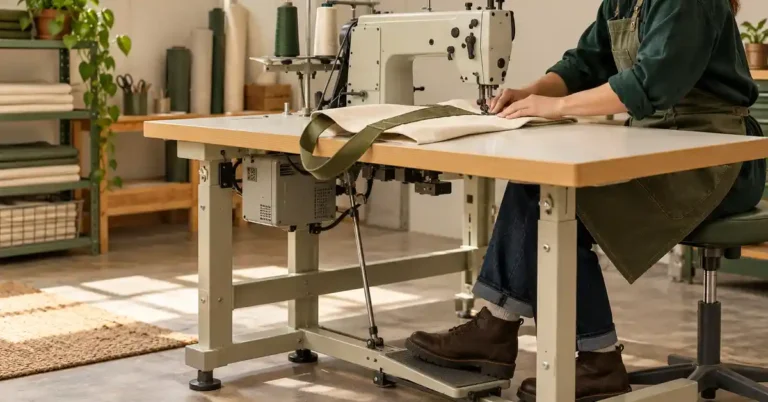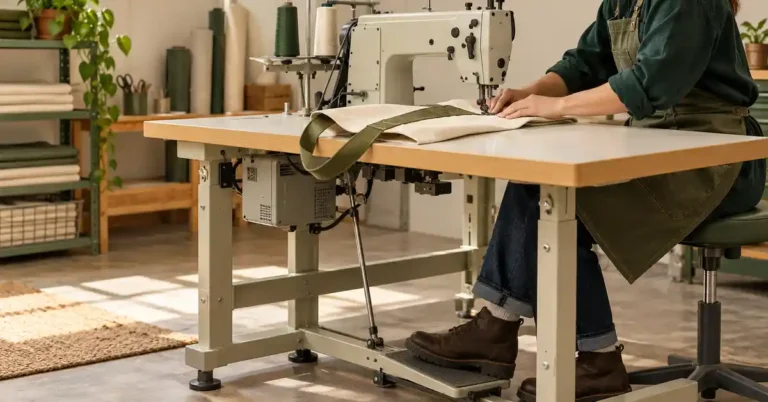
When it comes to sewing leather, choosing the right tools is crucial for achieving high-quality results. One of the most important tools in this process is the leather sewing needle for your sewing machine. Unlike standard needles, leather needles are specifically designed to penetrate tough materials without causing damage or skipping stitches. Understanding the features, types, and applications of these needles can significantly impact your sewing projects, whether you’re crafting leather bags, jackets, or upholstery. In this article, we will delve into everything you need to know about leather sewing needles for sewing machines, ensuring that you are well-equipped for your next leather project.
What Are Leather Sewing Needles?
Leather sewing needles are specialized sewing machine needles designed specifically for sewing leather or heavy fabrics. They feature a distinctive wedge-shaped point that allows them to easily penetrate through dense materials without damaging the fabric. This design enables a clean stitch, which is essential for both the durability and appearance of your leather projects.
Types of Leather Sewing Needles
Understanding the various types of leather sewing needles available can help you select the right one for your project. Here are the most common types:
| Needle Type | Description | Best For |
|---|---|---|
| Standard Leather Needle | Features a wedge-shaped point, ideal for medium to heavy leather. | Leather bags, jackets |
| Double Leather Needle | Two needles mounted on a single shaft, allows for parallel stitching. | Decorative seams, hems |
| Walking Foot Needle | Designed to work with a walking foot attachment for even feeding. | Thick layers of leather |
| Jeans Needle | Stronger needle with a thick shaft, suitable for heavy fabrics. | Denim and thick leather |
Choosing the Right Needle for Your Project
Selecting the right leather sewing needle for your project can make a significant difference in the quality of your work. Here are key factors to consider:
Needle Size
Needle sizes vary, and choosing the correct size is vital. A needle that is too small may break or bend, while one that is too large could create unsightly holes in the leather. Refer to the thickness of the leather when selecting the needle size.
Needle Point Type
Different leather types may require specific point types. For example, a standard leather needle is suitable for most projects, but if you are working with very thick or tough leather, consider using a walking foot needle for better feeding and control.
Stitch Type
The type of stitch you plan to use can also influence your needle choice. For decorative stitches, a double needle may be appropriate, while a straight stitch is often sufficient for basic seams.
Sewing Techniques for Leather
To achieve the best results when sewing leather, it is essential to use proper techniques. Here are some tips to enhance your sewing experience:
Preparation
Before you begin sewing, prepare your leather by cutting it accurately and marking your stitching lines using tailor’s chalk. Make sure to work on a flat, clean surface to avoid any scratches or damage to the leather.
Thread Selection
Choosing the right thread is just as crucial as selecting the needle. Opt for polyester or nylon threads, which are stronger and more durable than standard cotton threads. Thick thread is often recommended for leather projects to provide added strength.
Stitch Length
For leather, a longer stitch length (3mm to 4mm) is generally recommended. This helps reduce the number of holes punched into the leather, preventing it from weakening over time. Adjust your sewing machine settings accordingly before you start.
Using a Walking Foot
A walking foot can be beneficial when sewing leather, as it helps move multiple layers of fabric evenly through the machine. This is particularly useful for thicker leathers or when working with multiple layers.
Maintenance and Care for Leather Needles
To prolong the life of your leather sewing needles and ensure optimal performance, follow these maintenance tips:
Regular Inspection
Inspect your needles regularly for signs of wear and tear, including bent tips or dull points. Using a damaged needle can ruin your project and cause frustration.
Proper Storage
Store your needles in a safe, dry place. Consider using a needle case to keep them organized and protected from moisture or damage.
Replace When Necessary
Replace your leather needles after every few projects or whenever you notice a decline in performance. A new needle can make a significant difference in your sewing experience.
Frequently Asked Questions
A: No, regular sewing machine needles are not suitable for leather as they may cause damage or skip stitches. Always use specialized leather needles for best results.
A: Polyester or nylon threads are recommended for sewing leather due to their strength and durability. Thick threads also provide better results.
A: It’s advisable to change your needle after every few projects or if you notice any issues like skipped stitches or fabric damage.
A: Yes, but it’s recommended to use a walking foot and a suitable needle to handle the thickness and ensure even feeding.
In conclusion, understanding the significance of leather sewing needles for your sewing machine is essential for anyone looking to work with leather. By selecting the appropriate needle type, size, and thread, as well as employing the right sewing techniques, you can achieve professional results in your leather projects. Whether you’re creating bags, garments, or upholstery, investing time in understanding your tools will pay off in the quality of your work. For superior crafting tools and machines, consider exploring a Reliable Alibaba Embroidery Machine for Quality Crafting to complement your sewing skills. Happy sewing!