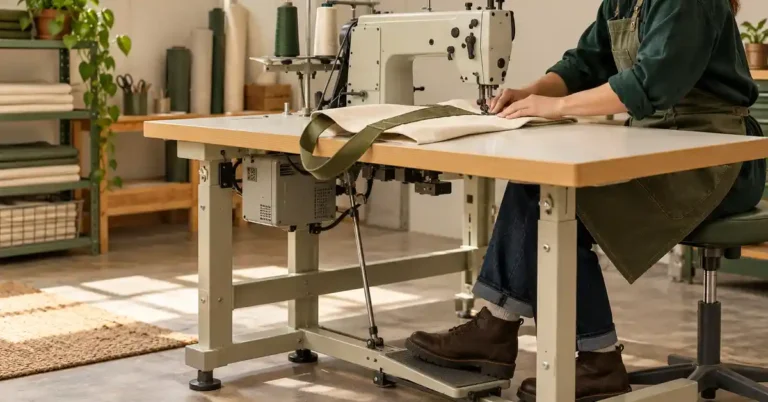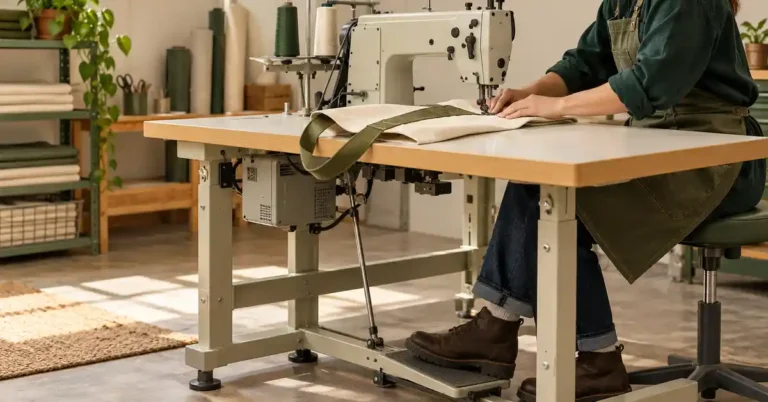
The world of sewing and embroidery is vast, teeming with various machines designed to cater to different needs and preferences. Among these, the Yamato industrial sewing machine stands out due to its precision, durability, and the specific applications it serves. Whether you’re a seasoned seamstress or just starting your journey in textile creation, understanding the features and benefits of the Yamato industrial sewing machine can help elevate your crafting skills and efficiency.
What is a Yamato Industrial Sewing Machine?
The Yamato industrial sewing machine is a high-performance sewing machine designed for commercial use. Originating from Japan, Yamato offers a range of machines that cater to various sewing needs, from simple straight stitching to complex embroidery tasks. These machines are built to withstand the demands of high-volume production environments, ensuring that they deliver consistent results day in and day out.
Features and Benefits
When considering a Yamato industrial sewing machine, it’s essential to understand the features that set it apart from conventional home sewing machines.
Precision Stitching
One of the most significant advantages of the Yamato industrial sewing machine is its capability for precision stitching. These machines are engineered to provide consistent stitch quality, which is crucial for professional sewing.
Durability and Reliability
Yamato machines are built with robust materials and advanced engineering, making them incredibly durable. They are designed to handle heavy fabrics, such as denim and leather, without compromising performance. The reliability of these machines means less downtime and fewer repairs, which is vital for businesses that rely on constant production.
Specialized Applications
Yamato offers a variety of models tailored for specific tasks, such as overlocking, cover stitching, and even embroidery. This specialization allows professionals to choose a machine that best fits their needs, enhancing productivity and creativity.
Choosing the Right Yamato Machine
Selecting the right Yamato industrial sewing machine is crucial for achieving the desired results in your sewing projects. Here are some factors to consider:
| Factor | Considerations |
|---|---|
| Type of Work | What types of fabrics will you be working with? Choose a machine designed for those materials. |
| Stitching Needs | Do you need multiple stitch options? Look for models that offer versatility in stitch styles. |
| Budget | Determine your budget before shopping. Yamato machines can range from affordable to high-end models. |
| Space | Consider the space available in your workshop. Yamato machines come in various sizes. |
Maintenance and Care
- Regularly clean the machine to prevent dust and lint buildup.
- Oil the machine as recommended by the manufacturer.
- Check and replace needles frequently to avoid fabric damage.
- Inspect belts and other parts for wear and tear.
Common Issues and Troubleshooting
Even the best machines can encounter issues from time to time. Here are some common problems you might face with your Yamato industrial sewing machine and how to troubleshoot them:
- Thread Breakage: This can occur due to incorrect threading, using the wrong needle, or poor-quality thread. Check your threading and replace the needle if necessary.
- Uneven Stitching: Often caused by incorrect tension settings or a dull needle. Adjust the tension and replace the needle to resolve this issue.
- Machine Jamming: Jamming can happen due to lint buildup or incorrect bobbin placement. Clean the machine and reinsert the bobbin correctly.
Frequently Asked Questions
A: Prices vary depending on the model and features, but generally, they range from $1,000 to $5,000 or more for specialized machines.
A: Yes, while they are designed for industrial use, many hobbyists find them suitable for home projects, especially if they work with heavy fabrics.
A: Replacement parts can be purchased through authorized dealers or online retailers specializing in sewing machine parts.
In addition to the features and benefits discussed, exploring various sewing techniques can further enhance your skills. For instance, if you’re interested in adding unique designs to your sewing projects, consider trying needle punch embroidery or check out a chain stitch embroidery machine for sale. Both options can add a personal touch to your work.
Furthermore, understanding the best embroidery machine bobbins to use can significantly affect your stitching quality. And if you’re looking for inspiration, explore the Chic and Charming: Floral Embroidery Mesh Top review to see how embroidery can transform clothing.
Finally, if you’re new to embroidery, you might want to try it once, and you’ll be hooked on embroidery! The more you explore, the better equipped you’ll be to utilize your Yamato industrial sewing machine.
In conclusion, the Yamato industrial sewing machine is a powerful tool for anyone serious about sewing and embroidery. With its precision, durability, and specialized features, it caters to both professionals and dedicated hobbyists. By understanding its capabilities, performing regular maintenance, and troubleshooting common issues, you can ensure that your sewing experience is productive and enjoyable.