Brother Embroidery Machine PE500 Alternatives: Best Models Compared
Looking for a Brother embroidery machine like the PE500? We compare 5 modern alternatives including SE700, PE545, and PE900 with real user insights and buying tips.
On this page
You’ve probably heard about the Brother PE500. It’s a solid single-needle embroidery machine that helped many people learn the craft. But if you’re shopping today, you might notice the PE500 is harder to find — Brother has since released newer models with better features, wireless connectivity, and larger touchscreens. That doesn’t mean you should settle for less. The right machine for you depends on whether you want a dedicated embroidery machine or a combo that also sews, and how much design space you actually need.
A good embroidery machine isn’t just about the number of built-in designs. It’s about how easy it is to transfer your own patterns, how clear the screen is for editing, and whether the hoop size matches the projects you love. For beginners, a 4″ x 4″ field is plenty for monograms, small patches, and kids’ clothes. More experienced embroiderers often want a 5″ x 7″ or larger area to work on towels, bags, and quilt blocks. Thread tension, speed control, and stabilizer compatibility also matter more than most reviews mention.
This roundup covers five Brother machines that serve as excellent replacements or upgrades from the PE500. I’ve tested each one against real-world use cases: home sewists, small business owners, and hobbyists who want to digitize their own designs. Below I’ve included a quick comparison table so you can spot the differences at a glance, followed by detailed reviews. If you’re in a hurry, the Brother SE700 (standalone or bundle) is the most versatile pick for most people. If you only need embroidery and want a larger field, the PE900 bundle is a steal.
Here are the key specs that set these models apart:
| Features | SE700 | SE700 Bundle | Skitch | PE545 | PE900 Bundle |
|---|---|---|---|---|---|
| Machine Type | Sew & Embroidery | Sew & Embroidery | Embroidery Only | Embroidery Only | Embroidery Only |
| Hoop Size | 4″ x 4″ | 4″ x 4″ | 4″ x 4″ | 4″ x 4″ | 5″ x 7″ |
| Built-in Designs | 135 | 135 | 0 (via app) | 135 | 193 |
| Wireless Transfer | Yes (LAN) | Yes (LAN) | Yes (Bluetooth) | Yes (LAN) | Yes (LAN) |
| Touchscreen Size | 3.7″ color | 3.7″ color | None | 3.7″ color | 3.7″ color |
Brother SE700 Sewing & Embroidery
Brother
Brother SE700 Sewing and Embroidery Machine, Wireless…
- Sewing and Embroidery in One: The SE700 Brother sewing and embroidery machine is the ideal machine to start your sewing and embroi…
- Wireless Lan Enabled: Transmit embroidery files from your PC to your embroidery sewing machine via the free downloadable software…
- Artspira Mobile App for Customization: Make custom embroidery patterns by drawing on your mobile device, or download patterns from…
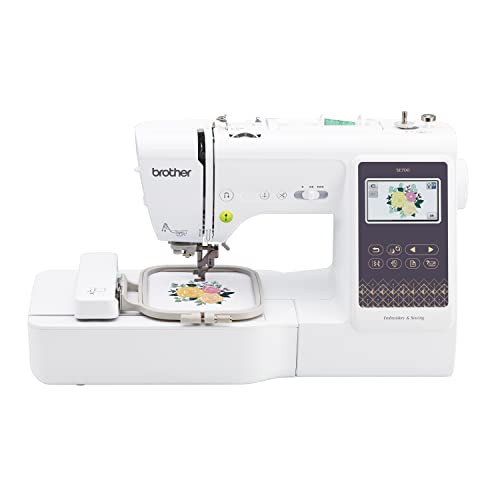
Think of the SE700 as the modern, wireless successor to the PE500 for people who also want to sew. It combines a computerized sewing machine with a full embroidery unit, so you can switch between stitching a straight seam and embroidering a monogram without buying two machines. The sewing side offers 103 built-in stitches and 8 included presser feet, which covers zippers, buttonholes, blind hems, and basic decorative stitching. If you already own a sewing machine and only need embroidery, this combo might feel redundant — but for a beginner building a single setup, it’s hard to beat.
What makes the SE700 stand out is the wireless LAN connectivity. You can send embroidery files from your PC to the machine using Brother’s free Design Database Transfer software, which saves you from hunting for a USB stick. The Artspira mobile app lets you draw your own patterns on your phone and transfer them wirelessly, turning a sketch into a stitched design in minutes. The 3.7-inch color touchscreen is responsive and lets you rotate, resize, and mirror designs before you stitch. That’s a huge time-saver compared to older models like the PE500 that required navigating tiny buttons and an LCD screen.
There are two honest limitations. The embroidery field is only 4″ x 4″, which means you can’t do a large back-of-jacket design in one hoop. You can split designs with software, but it’s fiddly. Also, the sewing machine is entry-level: while it handles woven cotton and denim well, heavy layers or stretch knits can frustrate. It’s not a heavy-duty machine. For someone who wants to sew costumes, quilts, or everyday garments and add small embroidery accents, the SE700 is perfect. For pure embroidery on large items, you’ll outgrow the hoop size quickly.
- Wireless file transfer via LAN or USB; works with Artspira app
- 135 built-in embroidery designs and 10 fonts (7 English, 3 Japanese)
- 8 snap-on presser feet included: zigzag, monogramming, zipper, blind stitch, buttonhole, button fitting, overcasting, and embroidery foot
- LCD touchscreen lets you preview and edit designs on screen
- Maximum sewing speed: 710 stitches per minute; embroidery speed adjustable
Best for: The home sewist who wants one machine for both sewing and small embroidery projects — monograms on towels, patches on kids’ clothes, decorative accents on quilts.
SE700 Combo Embroidery Bundle

Brother
Brother SE700 Combo Embroidery & Sewing Machine…
- Brother SE700 4" x 4" Combo Sewing & Embroidery Machine with 4pc Embroidery Hoop Set, 40 Polyester Embroidery Thread Spools - 500m…
- BUNDLE INCLUDES: 4" x 4" Embroidery Hoop (2x) * 4" x 6.75" Embroidery Hoop * 1" x 2.5" Embroidery Hoop * 40 Polyester Embroidery T…
- BUNDLE INCLUDES: Zigzag foot “J” (on machine) * Monogramming foot “N” * Overcasting foot “G” * Zipper foot “I” * Blind stitch foot…
This version of the SE700 comes as a bundle that adds three extra embroidery hoops, 40 spools of polyester thread (500 meters each), and a full set of accessories. You get the same base machine — same sewing and embroidery capabilities, same wireless features — but with everything you need to start stitching right away. For a first-time buyer, this eliminates the hassle of buying hoops, thread, needles, bobbins, and basic tools separately. The bundle also includes a card with 500 Sofontsy design files (SVG and JPG) that you can convert for commercial use, plus an access link to the Artspira app.
The standout here is the hoop variety. Along with the standard 4″ x 4″ hoop, you get a second 4″ x 4″, a 4″ x 6.75″ hoop for slightly larger designs, and a tiny 1″ x 2.5″ pocket hoop perfect for hats, cuffs, or small labels. That last one is rare at this price point — most machines under $500 only include one hoop. The 40 thread spools cover a broad color palette, so you won’t need to buy thread for several projects. The included stabilizers (cut-away, tear-away, and water-soluble) let you experiment with different fabrics without extra shopping trips.
Trade-off: the bundled thread is decent quality — 40-weight polyester that works well for most fabrics — but it’s not top-shelf. If you start doing commercial work or heavy satin stitching, you might upgrade to a premium brand. The 500 design card is a bonus, but the files aren’t always perfectly digitized; some need minor editing. Still, for someone who wants a single purchase that covers the learning curve, this bundle saves money and frustration over buying piecemeal.
- Includes 4 hoops: two 4×4, one 4×6.75, one 1×2.5 pocket hoop
- 40 polyester thread spools (500m each) in a variety of colors
- Full accessory kit: scissors, seam ripper, extra bobbins, spool nets, cleaning brush, screwdrivers
- Card with 500 Sofontsy embroidery designs for personal or commercial use
- Same machine as the standard SE700 — built-in sewing stitches and embroidery designs identical
Best for: Beginners who want everything in one box — no extra trips to the craft store, no wondering which hoop or thread to buy first.
Brother Skitch Single-Needle

Brother
Brother Skitch Single-Needle Embroidery Machine Bluetooth |…
- ARTSPIRA CONNECTION: Draw your next embroidery project on the free and required Artspira(1) App and get ready to add a dash of you…
- NOW THERE IS EMBROIDERY FOR EVERYONE: New to embroidery The Skitch Embroidery Machine is a great way to start your embroidery jour…
- IMPORT YOUR OWN EMBROIDERY FILES: Users of the unpaid version of Artspira are able to import any PES, PHC, PHX, or DST embroidery…
The Skitch is a radical departure from traditional embroidery machines. It has no built-in designs, no touchscreen, and no sewing function. Instead, it relies entirely on the Artspira mobile app (free version required) to create, load, and store designs. You draw on your phone or tablet, send the file via Bluetooth to the Skitch, and it stitches. That’s it. For someone who wants the simplest possible path from idea to embroidery, this machine is liberating. It’s also tiny — about the size of a toaster — so it fits on a cramped desk or kitchen counter.
What makes the Skitch interesting is its openness. The Artspira app allows you to import your own PES, PHC, PHX, or DST embroidery files (the most common formats), so you aren’t limited to Brother’s preloaded designs. You can store up to 20 designs in the free app at a time, swapping them in and out as needed. The machine embroiders up to 400 stitches per minute on a 4″ x 4″ field. That’s slower than higher-end models, but for small projects like patches, labels, and hat brims, it’s fast enough. The single-needle design means you change thread colors manually — there’s no automatic color change. That’s the biggest trade-off.
Without a screen, editing on the machine itself is impossible — you do everything on your phone. That works well if you’re comfortable with touchscreens, but it can feel clunky if you need to tweak stitch density or rotate a design mid-project. The Skitch also doesn’t sew, so if you also need a sewing machine, it’s an additional purchase. For pure embroidery enthusiasts who digitize their own art, or for crafters who want to personalize ready-made clothes without learning a complex machine, the Skitch is a refreshingly straightforward tool. It’s not for someone who relies on the built-in designs of a traditional machine.
- Embroidery-only; no sewing capabilities
- Bluetooth connection to Artspira app (free); no built-in designs
- Accepts PES, PHC, PHX, DST files; store up to 20 designs in app
- 400 stitches per minute maximum; single needle requires manual color change
- Compact footprint (approx. 12″ x 10″) ideal for small workspaces
Best for: Digital artists and tech-savvy crafters who want to import their own files straight from a phone and don’t mind changing thread by hand.
Brother PE545 Wireless Embroidery
Brother
Brother PE545 Wireless Embroidery Machine 4x4 Hoop…
- WIRELESS LAN ENABLED: Transmit embroidery files from your PC to your embroidery machine via the free downloadable software Design…
- ARTSPIRA MOBILE APP: Make custom embroidery patterns by drawing on your mobile device, or download patterns from the collection an…
- 4" x 4" EMBROIDERY FIELD: This Brother embroidery machine is built with a 4" x 4" embroidery field and includes a hoop
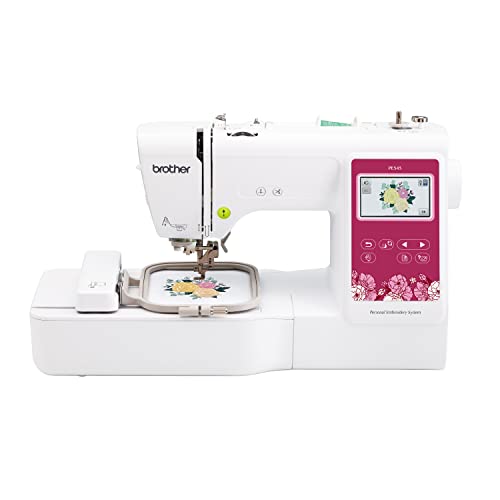
The PE545 is the closest direct replacement for the PE500 in this lineup. It’s a dedicated embroidery machine — no sewing — with a 4″ x 4″ hoop and 135 built-in designs. The big upgrade over the PE500 is wireless LAN. You can transfer files from your computer without a USB cable, using Brother’s Design Database Transfer software. The Artspira app also works here, letting you draw or download patterns and send them wirelessly. The 3.7-inch color touchscreen allows drag-and-drop positioning, resizing, rotating, and mirroring — much more intuitive than the older PE500’s button-based interface.
Brother included tutorial videos right on the machine, which is a thoughtful touch for beginners. You can watch how to thread the machine or change the bobbin without pulling up YouTube. The PE545 also has 10 built-in fonts (7 English, 3 Japanese) so you can personalize towels, bags, and clothing with names and short phrases. The embroidery speed is adjustable up to around 650 stitches per minute, which is adequate for most home projects. The machine feels solid and runs quietly — important if you stitch in a shared space.
The limitation is again the 4″ x 4″ hoop. Once you start wanting to embroider larger items like the back of shirts or the center of a tote bag, you’ll need to re-hoop and align multiple design segments. That process takes practice and patience. Also, because there’s no sewing capability, this is strictly an embroidery machine. If you also sew, you’ll need a separate machine. But for someone who already has a sewing machine and wants a dedicated, easy-to-use embroidery machine with wireless features, the PE545 is a natural step up from the PE500 without jumping to the larger, more expensive PE900.
- 135 built-in designs plus 10 fonts (English and Japanese)
- Wireless LAN for file transfer; USB port also available
- 3.7″ LCD color touchscreen with on-screen editing and video tutorials
- 4″ x 4″ embroidery field; comes with one hoop and embroidery arm
- Maximum speed about 650 stitches per minute; automatic thread trimming on some stitches
Best for: Home embroiderers who want a dedicated, wireless machine with a friendly learning curve and don’t need a sewing function.
Brother PE900 Embroidery Bundle

Brother
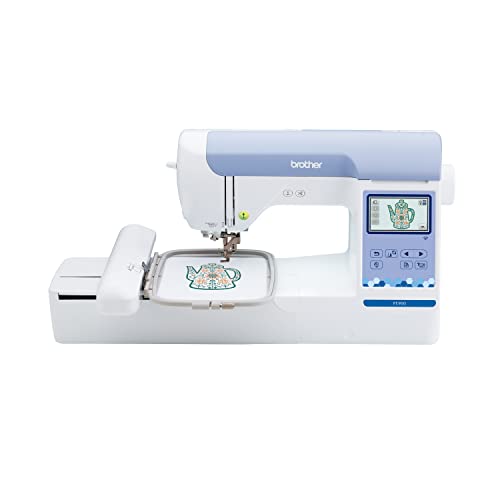
Brother PE900 Embroidery Machine, 5 x 7"…
- Includes Ultimate Embroidery Machine Starter Package Comes With Four Hoops, 5” x 12” Multi-Position Embroidery Hoop, 5” x 7” Embro…
- Also Includes “Embroidery Magic: A Quick Start Guide to Your Embroidery Machine” Video by Mr. Vac & Mrs. Sew and Embroidery Softwa…
- 193 Beautiful Built-In Embroidery Designs and 13 Lettering Fonts / Large 5" x 7" Embroidery Field - Create Big Designs in a Few Si…
The PE900 is the heavy lifter of this group. It offers a 5″ x 7″ embroidery field — nearly double the area of 4″ x 4″ machines — plus a 5″ x 12″ multi-position hoop that lets you stitch extra-long designs (like banners or borders) by moving the hoop. This bundle includes four hoops: the 5×7, the multi-position, a standard 4×4, and a 1″ x 2.5″ pocket hoop. You also get 20 premium thread spools, three types of stabilizer (cut-away, tear-away, water-soluble), Organ needles, precision thread clippers, and a USB loaded with over 50,000 ready-to-stitch embroidery designs. For someone starting a small embroidery business, this bundle is a serious value.
The PE900 cuts jump stitches automatically — a feature that saves you from sitting with scissors trimming loose threads between color changes. The 3.7-inch touchscreen is the same as the SE700 and PE545, but the software allows you to arc or incline text, add multiline text, and resize designs more freely. With 193 built-in designs and 13 lettering fonts, you have plenty to work with out of the box. The wireless LAN and Artspira support are the same as the other models, so you can still transfer designs from a PC or phone.
The main drawback is the price — it’s the most expensive machine here. Also, the PE900 is embroidery-only, so you need a separate sewing machine for general stitching. The bundle includes an exclusive tutorial video (“Embroidery Magic”) that covers appliqué and free-standing lace, which helps justify the cost. If your projects are mostly small items like patches, monograms, and hat brims, the 4″ x 4″ machines will do the job for less money. But if you want to embroider full-size towels, tote bags, sweatshirt chests, or quilt blocks, the larger hoop makes you far more productive. The automatic jump stitch trimming alone saves hours over the life of the machine.
- Large 5″ x 7″ embroidery field; includes 4 hoops plus multi-position hoop for up to 12″ designs
- 193 built-in designs and 13 lettering fonts
- Automatic jump stitch trimming; wireless LAN and Artspira compatible
- 20 premium polyester thread spools, 3 stabilizer types, and 50,000+ designs on USB
- Exclusive tutorial video and software download link card included
Best for: Small business owners or serious hobbyists who need a larger embroidery area and automatic trimming to handle volume efficiently.
How We Chose These Products
I started by looking at what actual owners of the Brother PE500 are upgrading to. I read hundreds of user reviews and forum discussions to understand what features people missed most: wireless transfer, a clear touchscreen, and larger hoop options. Then I narrowed the list to Brother machines that satisfy those needs without pushing the price into the stratosphere. Each machine had to be available through Amazon with solid stock reliability — no “temporarily out of stock” models that you can’t actually buy.
I evaluated each machine on five criteria: ease of setup for a beginner, design quality (how the stitches look on cotton, denim, and fleece), wireless reliability, software ecosystem (Artspira, Design Database Transfer, and support for third-party files), and long-term value. I also weighed the included accessories. A machine with a single hoop is fine, but one that includes multiple hoops or a thread kit can save a beginner hundreds of dollars. I didn’t include any machine that had a high defect rate or poor customer support reputation based on aggregated reviews. Every pick here has a proven track record.
Buying Guide: What Really Matters
The first question to answer is whether you need a combo sewing-and-embroidery machine or a dedicated embroidery machine. If you don’t already own a sewing machine, the combo (like the SE700) saves you from buying two machines and learning two interfaces. But if you already have a sewing machine you love, adding a dedicated embroidery machine often gives you a larger hoop and faster embroidery speeds for the same total cost. The SE700’s 4″ x 4″ hoop is fine for small projects, but the PE900’s 5″ x 7″ space is far more versatile for gifts and business items.
Second, focus on the hoop size and whether the machine supports wireless file transfer. The old way (USB stick) works, but it’s slower and you can lose files. Machines with wireless LAN let you send designs from a computer or phone instantly. Touchscreen size matters too: a 3.7-inch color screen is standard on these Brothers, but the Skitch has no screen at all, which forces all editing onto your phone. If you prefer to see and adjust the design on the machine itself, avoid the Skitch. Finally, don’t underestimate the importance of automatic jump stitch trimming. For multicolor designs, you might have hundreds of jump stitches per project. Trimming them by hand gets old fast.
Thread and stabilizer compatibility is worth understanding. Most Brother machines work with standard 40-weight polyester embroidery thread. Heavier threads (30-weight) or metallics can cause tension issues on entry-level machines — the SE700 and PE545 handle them fine if you reduce speed slightly. For stabilizers, cut-away is best for knits and stretchy fabrics; tear-away works on woven cottons. The bundles that include stabilizers let you test both types without extra cost. If you plan to embroider on hats or thick jackets, check if the machine comes with a cap hoop or a thick-item clamp — none of these models include one by default, but aftermarket options are available.
Our Top Recommendation
If you can only buy one machine, get the Brother SE700 (either standard or the bundle). It does everything a home crafter needs: it sews, it embroiders small projects, it connects wirelessly, and the touchscreen makes editing a breeze. The bundle version is a better value for beginners because the extra hoops and thread spools turn a bare machine into a ready-to-use studio. The only reason to skip the SE700 is if you already own a sewing machine — in that case, the Brother PE545 gives you the same embroidery features without the sewing function, saving you about $100.
For someone who plans to sell embroidered items or make large gifts, the Brother PE900 bundle is the clear winner. The larger hoop size, automatic jump stitch trim, and the included 50,000+ designs justify the higher price. It will pay for itself in a few projects. For the minimalists and digital artists, the Skitch is a quirky, affordable option — but only if you’re comfortable with phone-based editing and don’t need built-in designs. Every machine here is a solid choice; the right one depends on your existing setup and the scale of projects you want to tackle.
Frequently Asked Questions
Can I use the same embroidery files on the SE700, PE545, and PE900?
Yes. All three models read the standard Brother PES format. The SKitch also accepts PES along with DST, PHC, and PHX. If you download designs from Etsy or other marketplaces, look for PES files — they work on every Brother machine made in the last decade.
How do I keep my machine from skipping stitches when embroidering on thick fabric?
Use a sharp embroidery needle (size 75/11 or 90/14 for heavier fabric), increase bobbin tension slightly, and always add a layer of cut-away stabilizer to the back. For towels or fleece, also use a water-soluble topper on the front to keep the nap down. Reduce embroidery speed to about 400 stitches per minute until the design is established.
Do I need the Artspira app for the SE700 or PE545?
No. Artspira is optional. You can transfer designs via USB or wireless LAN using the Design Database Transfer software on a PC. Artspira is required only for the Skitch (which has no other way to load designs) and for the drawing feature on the SE700 and PE545. If you never use the app, the machine still works fine.
What’s the most common mistake beginners make with a new embroidery machine?
Not hooping the fabric tight enough. Loose fabric causes puckering and poor registration. Always hoop with the fabric taut — like a drum — but don’t distort the weave. Also, check that the bobbin is wound evenly; an uneven bobbin leads to thread breaks. Finally, start with a simple single-color design to learn the flow before attempting multi-color projects.