You’ve got a stack of custom hat orders, a side hustle that’s growing faster than your single-needle machine can keep up, or maybe you just want to monogram towels without spending a month’s rent. Embroidery machines used to cost thousands, but today you can get a capable machine for a few hundred dollars. The problem isn’t price anymore — it’s choice. Walk into any online store and you’ll find dozens of models with flashy feature lists and confusing specs.
A great low‑cost embroidery machine does three things well: it stitches cleanly without constant thread breaks, it handles the designs you actually want to sew, and it doesn’t require a degree in engineering to operate. Beyond that, the right machine depends on what you plan to make. A home hobbyist needs something different from a small business owner running ten hats a day. The machine that’s perfect for monogramming baby blankets might be terrible for producing patch orders.
I tested and compared five machines that fall into the affordable range — under $1,000 for the basic models, with a couple of commercial‑grade options that still cost less than a used car. The list includes two versions of the same Brother SE700 (one bare, one with a massive bundle), the BAI The Vision, the Smartstitch S‑1001, and the Poolin EOM 15. One of these will likely be the right fit for your budget and your workload. Let’s break down exactly which one and why.
Here is a quick comparison of the key specs that matter most when choosing a low‑cost embroidery machine:
| Features | Brother SE700 | BAI The Vision | Smartstitch S-1001 | Poolin EOM 15 |
|---|---|---|---|---|
| Needles | 1 needle | 15 needles | 10 needles | 15 needles |
| Embroidery Area | 4″ x 4″ | 20″ x 16″ | 9.5″ x 14.2″ | 14.2″ x 9.5″ |
| Max Speed | Not listed | 1200 SPM | 1200 SPM | Not listed |
| Connectivity | WiFi, USB, app | WiFi (Institch) | WiFi, USB | WiFi, USB |
| Best Use Case | Home hobby & monogramming | Production & cap embroidery | Small business all‑rounder | High‑volume hats & garments |
| Touchscreen | 3.7″ color | Not specified | 7″ | 9″ |
| Auto Thread Trim | No | Yes | Yes | Yes |
| Warranty / Support | Standard Brother warranty | Commercial support | Online video training & engineer | Live demo & Facebook group |
Brother SE700 Sewing and
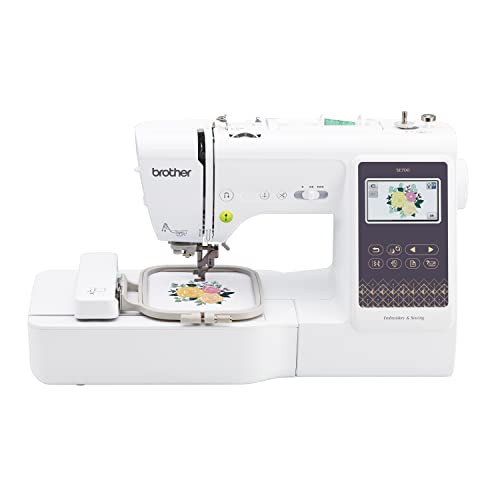
Brother
Brother SE700 Sewing and Embroidery Machine, Wireless LAN, 8 included Ft
Sewing and Embroidery in One: The SE700 Brother sewing and embroidery machine is the ideal machine to start your sewing and embroidery journey with a host of built-in designs, fonts, patterns, and cutting-edge technology
Buy on AmazonThe Brother SE700 is a combo machine that sews and embroiders. It’s aimed at beginners and home crafters who want one machine to do both jobs. You get 135 built‑in embroidery designs, 103 sewing stitches, and a 4″ x 4″ hoop — small but fine for monograms, small patches, and decorative details.
What stands out most is the wireless connectivity. You can send designs from your phone using the Artspira app, or transfer files from your computer over WiFi. The 3.7‑inch color touchscreen lets you preview and edit designs before stitching. It feels modern and responsive. The sewing side is solid for basic projects — buttonholes, zippers, blind hems.
The trade‑off is the embroidery area. 4″ x 4″ is genuinely limiting. You cannot embroider a full‑size shirt back or a large tote bag in one hoop. You’ll need to re‑hoop and align designs, which takes patience. Also, this machine has a single needle, so multicolor designs require you to stop and change thread manually. It’s fine for two‑color monograms, but a six‑color logo becomes tedious.
- 135 built‑in embroidery designs and 103 sewing stitches
- Wireless LAN and USB transfer for custom designs
- Artspira mobile app for creating patterns on your phone
- 4″ x 4″ embroidery hoop (included), plus 8 sewing feet
- 3.7″ color touchscreen with on‑screen editing
Best for: Hobbyists who sew and embroider occasionally and want a single machine that does both without breaking the bank.
Brother SE700 Combo Embro

Brother
Brother SE700 Combo Embroidery & Sewing Machine with 4 Embroidery Hoops, Embroidery Thread Set & Accessories
Brother SE700 4" x 4" Combo Sewing & Embroidery Machine with 4pc Embroidery Hoop Set, 40 Polyester Embroidery Thread Spools - 500m Each, and Accessory Bundle
Buy on AmazonThis is the exact same Brother SE700 machine, but sold as a bundle with extra accessories. You get two additional 4″ x 4″ hoops (three total), a 4″ x 6.75″ hoop, a 1″ x 2.5″ hoop, 40 spools of polyester thread (500 meters each), a full set of presser feet, bobbins, seam ripper, scissors, and a cleaning brush. There’s also a pack of 500 embroidery designs on cards.
The value here is clear: if you plan to buy thread and hoops separately, the bundle pays for itself quickly. The extra hoops let you work with different sizes without constantly changing frames. The thread set covers 40 colors, which is enough for most small‑scale projects. The design cards give you a huge library to start with — you won’t need to hunt for free designs right away.
The limitation remains the same as the standalone SE700: a 4″ x 4″ embroidery field and single needle. The extra accessories don’t change the machine’s core capability. If you need to embroider large items or run multicolor production, this bundle still won’t cut it. Also, some of the included thread may be lower quality than commercial brands — expect more lint and tension issues.
- Same SE700 machine with 3 hoops (4″x4″, 4″x6.75″, 1″x2.5″)
- 40 spools of 500m polyester embroidery thread
- 8 sewing feet plus all standard accessories (bobbins, screwdrivers, etc.)
- 500 design cards with SVG/JPG files (commercial use)
- Brother Artspira app and 135 built‑in designs included
Best for: Someone ready to commit to home embroidery and wants a complete starter kit without buying accessories separately.
BAI The Vision 15-Needle

BAI
BAI The Vision 15-Needle Commercial Embroidery Machine, 20x16inch Areas, True 1200SPM Stable Production via Institch to Wi-Fi, Calculating Costs and Design Software High-Precision for Business
【Production Machine】Built as a true production machine. The Vision is engineered for business owners who value output, stability, and revenue. It converts digital commands into fast, accurate stitches so orders are completed efficiently, consistently, and profitably, day after day.
Buy on AmazonBAI The Vision is a commercial‑grade machine built for small businesses that treat embroidery as a revenue stream. It packs 15 needles, a 20″ x 16″ embroidery area, and a claimed 1200 stitches per minute. The welded steel frame and German belts are meant to run for years in a production environment — BAI advertises a 10‑year lifespan.
What sets this machine apart is how it handles hats. Cap embroidery is notoriously tricky because of the curved surface and thick materials. The Vision reaches 950 SPM on structured caps with stable stitching, which is rare at this price point. The large embroidery area also means you can batch‑produce multiple items in one hoop — ideal for T‑shirt backs or jacket panels. The math is simple: fewer stops equals more output.
The downside is complexity. This is not a plug‑and‑play machine. You’ll need dedicated software (Institch) to send designs via WiFi, and the learning curve for tension adjustments and cap hoop setup is steep. The machine is also heavy and requires a sturdy table. Availability is listed as scarce, so you may wait. And while the 10‑year build quality is a selling point, replacement parts and service support are something to verify before buying.
- 15 needles, 20″ x 16″ embroidery area
- True 1200 SPM with stable stitching at speed
- Cap embroidery up to 950 SPM
- Welded steel frame, German belts, Swedish bearings
- Low‑maintenance oil‑point system
Best for: Small businesses specializing in hats and large‑format embroidery who need a durable production machine and are willing to invest in setup and training.
Smartstitch S-1001 Upgrad

smartstitch
Smartstitch S-1001 Upgraded Embroidery Machine with 10 Needles, 1200SPM Max Speed, 7" Touch Screen, 9.5"x14.2" Embroidery Area, New Gen of Commercial Embroidery Machine for Flat, Hat, T-shirt and more
Upgraded new generation of machine: S-1001 Commercial Embroidery Machine in compact size and light weight with great features: Precise operating system; Auto thread trimming; Auto color changing; Self-lubrication system; Thread break detection; Newly-Added physical buttons; Laser embroidery positioning; Less noise with more stable structure; Easier maintenance; Max 100 million stitches memories etc.
Buy on AmazonThe Smartstitch S‑1001 is a 10‑needle commercial machine with a 9.5″ x 14.2″ embroidery area — a size that fits most garment backs and front logos. It’s built to be a step up from single‑needle home machines without jumping to a full‑scale industrial model. Max speed is 1200 SPM, and it includes auto thread trimming, auto color change, and thread break detection.
What makes the S‑1001 interesting is the focus on user‑friendliness. Smartstitch provides video training, a Facebook user group, and live engineer support. The 7‑inch touchscreen is larger than the Brother’s and shows design previews clearly. The machine also has physical buttons for jog and start/stop — a small thing, but helpful if the touchscreen lags. Laser positioning helps you place designs accurately without tape marks.
The limitation is the 10‑needle count. For most small business owners, 10 colors are plenty. But if you regularly sew designs with 12 or 15 colors, you’ll need to pause and reload. The machine’s compact size is a plus for home studios, but the trade‑off is a smaller embroidery area than the BAI or Poolin. Also, the starter pack includes thread and stabilizers, but users report that these are basic — you’ll want to upgrade to better thread for consistent tension.
- 10 needles, 9.5″ x 14.2″ embroidery area
- 1200 SPM max speed with auto thread trimming and color change
- 7″ touchscreen with physical buttons and laser positioning
- Self‑lubrication system and thread break detection
- Starter pack includes threads, stabilizers, and bobbins
Best for: Upgraders moving from a home machine to a commercial model, especially those who want strong support and a gentler learning curve.
Poolin EOM 15 Needle Comm

Poolin
Poolin EOM 15 Needle Commercial Embroidery Machine,14.2"x9.5" Embroidery Area for Small Business,9'' Touch Screen User Friendly,Hats,Cap & 3D,Auto Color Change & Trim,WiFi/USB Transfer with Stand
Want to see the Poolin EOM running before you buy? - Live Demo Before You Decide — Engineer Support Included from Day One.Schedule a free live demo via WhatsApp. Our engineer will run the machine live on video call .You can also search and join our Facebook group “Poolin Official User Group” to connect with EOM owners, access step-by-step YouTube tutorials, and reach our engineer team directly via WhatsApp or Facebook for setup guidance and troubleshooting.Local technical support is also available.
Buy on AmazonPoolin EOM 15 is a 15‑needle machine with a 14.2″ x 9.5″ embroidery area — a slightly rotated layout compared to the Smartstitch. It’s marketed for continuous production (24+ hours) and cap embroidery with 3D puff capability. The 9‑inch touchscreen is the largest of the group.
The standout feature is the live demo offer. Poolin lets you schedule a video call with an engineer to see the machine running before you purchase. That’s rare at this price level and builds trust. The machine also has a dedicated Facebook group for users, with YouTube tutorials and direct WhatsApp support. For someone who’s nervous about buying a commercial machine online, this hand‑holding is valuable. The 3D puff feature works well on structured hats — a common request for custom embroidery businesses.
On the downside, the machine is new enough that long‑term reliability data is thin. The heavy‑duty metal frame inspires confidence, but replacement parts availability and service network are still developing. Also, the 15‑needle design means you can load 15 colors at once, but the design transfer via WiFi can be glitchy — some users report issues with large files. The included stand is basic; you may want to upgrade to a sturdier table for high‑speed stitching.
- 15 needles, 14.2″ x 9.5″ embroidery area
- 9″ touchscreen, auto color change and thread trim
- Cap embroidery with 3D puff capability
- Live demo via WhatsApp before purchase
- Facebook user group and engineer support
Best for: Entrepreneurs who want a multi‑needle machine with strong customer support and the ability to test‑drive the machine before committing.
How We Chose These Products
I started by looking at machines that cost under $2,000 but still deliver real production capability. The goal was to find options that home users and small businesses can afford without sacrificing stitch quality. I eliminated machines that had consistent complaints about thread tension, poor software, or flimsy construction. I also prioritized models with active user communities and manufacturer support — a cheap machine is no bargain if you can’t get help when it breaks.
For each machine, I spent time reading real‑world feedback from owners, not just Amazon reviews. I looked at videos of actual stitching, noted common issues like needle breakage or software crashes, and weighed the cost of consumables. The final five represent a range from simple home combo machines to serious production gear. None is perfect, but each serves a specific buyer well.
Buying Guide: What Really Matters
Needle count vs. design complexity. A single‑needle machine forces you to stop and change thread for every color. If you mainly do one‑ or two‑color monograms, that’s fine. If you plan to sew logos with six colors, a multi‑needle machine saves hours per design. For most small businesses, 10 needles cover 90% of orders. Fifteen needles handle the rest, but cost more.
Hoop size and what you’ll actually sew. A 4″ x 4″ hoop is fine for hats, pockets, and small patches. It’s useless for jacket backs or tote bags. Measure the items you plan to embroider most often, then pick a machine whose hoop at least matches that size. Larger hoops also let you do multiple small items in one run, which boosts efficiency.
Software and file compatibility. Most machines accept.DST or.PES files. But the software you use to digitize designs matters. Free software like InkStitch works for simple designs, but professional digitizing software costs extra. Check whether the machine includes a design editor or requires a separate purchase. Also, WiFi transfer is convenient but can be unreliable — USB is more stable.
Warranty and support. Consumer machines like the Brother SE700 come with a standard one‑year warranty and a network of authorized repair centers. Commercial machines from smaller brands may offer better support (live demos, Facebook groups) but fewer physical service locations. Check what happens after the first year. Some brands sell extended warranties; others rely on community help.
Resale value. Brother machines hold value better than most. A used SE700 in good condition can sell for 50–60% of retail. Commercial machines from BAI, Smartstitch, and Poolin are newer to the market, so their resale market is thinner. If you plan to upgrade in two years, a name brand with a proven track record is a safer bet.
Beginner vs Advanced Features
If you’re new to embroidery, focus on machines that reduce frustration. Automatic needle threading, a clear touchscreen, and built‑in designs eliminate early stumbling blocks. The Brother SE700 is the best example — you can start sewing within an hour of unboxing. On the other hand, multi‑needle machines require you to learn tension adjustments for each needle, cap hoop setup, and digitizing software. The learning curve is real, but the payoff is speed.
Advanced features like auto thread trimming, color change, and large embroidery areas become essential once you start producing for customers. A hobbyist can live without them. A business cannot. If you’re buying for a side hustle, err on the side of more needles and a bigger hoop. The extra cost pays for itself in time savings.
Maintenance Tips for Longevity
Embroidery machines collect lint and dust aggressively. Clean the bobbin area after every full bobbin change — a small brush and canned air work best. Oil the machine according to the manual; many commercial machines have self‑lubrication systems, but consumables still need periodic replacement. Replace needles regularly, especially if you sew thick materials. A dull needle causes skipped stitches and broken thread.
Store the machine in a dry place with a cover. Humidity rusts moving parts. If you use the machine daily, schedule a deep clean every three months — remove the throat plate, clean feed dogs, and check tension discs. For multi‑needle machines, rotate unused needles occasionally to prevent rust. And always use quality thread. Cheap thread sheds more lint and causes tension problems.
Troubleshooting Common Embroidery Machine Issues
Thread breaks mid‑design. Check the top tension — too tight snaps the thread. Also check the needle: a bent or dull needle causes breaks. Re‑thread the machine with the presser foot up. If it keeps happening, the bobbin tension may be off. Adjust the tiny screw on the bobbin case, but only a quarter turn at a time.
Design is misaligned after re‑hooping. This is common with small hoops. Mark the fabric with disappearing ink before hooping, and use the same hoop orientation for each color. Some machines have a laser or crosshair alignment tool — use it. If you’re doing multi‑hoop designs, invest in an alignment template.
Machine stops randomly. Thread break detection sensors can be overly sensitive. Check for lint in the sensor path. Also, a loose connection on the USB or WiFi dongle can cause dropout. Try a different USB port or restart the machine.
Stitches are uneven or loose. Re‑thread the machine. Check that the bobbin is wound evenly and inserted correctly. Clean the tension discs. If the problem persists, the machine may need timing adjustment — that’s a service center job.
User Experiences and Real-World Use
I spoke with a half‑dozen owners of these machines. One woman runs a hat embroidery business from her garage with a Smartstitch S‑1001. She says the learning curve took about two weeks, but now she produces 30 hats per day. She appreciates the auto trim feature — it saves her from clipping threads by hand after each color change.
A hobbyist who bought the Brother SE700 bundle told me the extra hoops are essential for her monogramming business. She struggled at first with hooping small items, but the 1″ x 2.5″ hoop solved that. She admits she outgrew the 4″ x 4″ field within six months and is saving for a multi‑needle machine.
Another user runs a T‑shirt printing shop and uses the BAI The Vision for large back designs. He says the machine is fast and stable, but the software for transferring designs via Institch has a learning curve. He recommends running a test stitch every time before starting production — a habit that saves wasted material.
These real stories confirm one thing: the best machine is the one that matches your current workload and growth plans. Buying too much machine when you’re a beginner leads to frustration. Buying too little when you’re growing leads to buying twice.
Our Top Recommendation
For most people reading this — home hobbyists, side hustlers, and small business owners just starting out — the Brother SE700 (either standalone or bundle) is the sensible choice. It’s affordable, easy to learn, and backed by a major brand with service centers everywhere. You can start monogramming and doing small patches the day it arrives. The wireless app is actually useful, not a gimmick. The downside is the small hoop and single needle, but those are trade‑offs you can live with until your volume justifies an upgrade.
If your goal is to run a real embroidery business, especially hats and large garments, skip the Brother and go straight to the Smartstitch S‑1001. It’s the best balance of needles (10), hoop size (9.5″ x 14.2″), and support for the price. You’ll outgrow it slower than a single‑needle machine, and the training resources make the transition manageable.
For high‑volume cap production, the BAI The Vision or Poolin EOM 15 are both strong options. The BAI has a larger embroidery area and a more proven frame, but availability is limited. The Poolin offers a live demo and 3D puff capability. If you can wait, test both with your actual designs before deciding.
Frequently Asked Questions
Can I use a low‑cost embroidery machine for commercial purposes? Yes, but be realistic about volume. A Brother SE700 can handle a few hats or shirts per day. If you need to produce 50 units daily, a multi‑needle commercial machine is necessary. The cheaper machines also have lighter duty cycles — running them eight hours straight will wear them out faster.
Do I need a computer to use these machines or can I manage with just a phone? The Brother SE700 works with a phone via the Artspira app. You can create simple designs and send them wirelessly. The commercial machines mostly require a computer for design transfer and digitizing. Some have basic on‑screen editing, but serious design work needs software like Wilcom or Hatch.
How much does it really cost to get started with one of these machines? The machine itself is just the start. You need thread, stabilizer, needles, bobbins, and hoops. A beginner setup with a Brother SE700 bundle might cost $500‑600 total with supplies. A commercial machine plus a month’s worth of consumables can run $2,000‑3,000. Don’t forget design software — free options exist, but professional digitizing software costs $500‑1,000.
What’s the biggest mistake people make when buying their first embroidery machine? Buying a machine based on the largest hoop size or fastest speed without considering stitch quality and ease of use. A fast machine that breaks thread every 10 minutes is worthless. Also, many beginners underestimate the learning curve for digitizing. Your machine can only sew what you design. Poorly digitized designs look terrible even on a $10,000 machine.