We earn a commission if you buy through links on this page, at no extra cost to you. Product suggestions here are based on fibre and detergent chemistry, manufacturer instructions and 14 years of wet-processing experience, not on our own product testing; we may earn a commission from Amazon links.
Quick answer
Laundry usually smells because bacteria survive the wash and feed on body oils and leftover detergent or softener. The most common causes are wet clothes left in the drum, a dirty washer with biofilm, too much detergent or softener, cold-only washes, overloading and slow drying. Clean the washer, cut the dose, wash warmer and dry within an hour.
Why does my laundry smell after washing?
A fresh wash should smell of almost nothing. If clothes come out musty, sour or "wet dog", bacteria and mould are the cause. They live on the fabric and in the machine, digest sweat, skin oils and detergent film, and their waste products are what you smell.
So ask two questions: what lets bacteria survive the wash, and what are they eating? Fix those and the smell goes. A stronger scent only masks it for a day or two.
Good to know
Laundry that smells "fake fresh" (perfume on top, musty underneath) has a residue or bacteria problem under the fragrance. That is also why clean laundry can smell again after a while in the drawer: the perfume fades faster than the odour source.
8 common causes of smelly laundry
1. Clothes left wet in the washer (musty or mildew smell)
The top cause of a musty, mildew smell. A wet drum with the door shut is ideal for bacteria and mould, and within a few hours the load can turn sour. Towels are worst because they hold the most water.
2. Washer biofilm
Front loaders and HE machines seal tightly and use little water. Detergent sludge, softener, lint and skin oils collect in the door gasket, drawer and drain filter, where bacteria build a slimy biofilm that every load picks up.
3. Too much detergent or fabric softener
More detergent does not mean cleaner. In a low-water machine, extra detergent does not rinse out fully, so it stays in the fibres and feeds bacteria. Fabric softener is a cationic (positively charged) conditioner that is designed to stay on the fibre. Used every wash, it builds a waxy coat that traps oils and odour underneath.
4. Cold washes only
Body oils (sebum) are fatty and do not loosen well below about 30°C, so many cold washes in a row build oil up in armpits, collars and towels.
5. Overloading the machine
A packed drum means less water per garment, weak agitation and poor rinsing, so soil and detergent stay behind. You should be able to fit a hand on top of the load.
6. Polyester and gym clothes holding body oils
Polyester, nylon and other synthetics are oleophilic: they hold oils while repelling water. Sweat oils sink into the fibre surface where water-based detergent struggles to lift them, so activewear can smell as soon as it warms up.
7. Slow drying
Cotton is hydrophilic: it absorbs water into the fibre and dries slowly. Thick towels and hoodies hung indoors in humid weather can stay damp for a day, long enough for bacteria to grow. This is why laundry can smell after drying.
8. Hard water
Calcium and magnesium in hard water react with detergent to form insoluble deposits that stiffen towels and hold onto oils and odour.
Expert tip from Kamrul Islam
In the dye house we always look at the fibre first. Cotton holds water, so its enemy is slow drying. Polyester holds oil, so its enemy is low-temperature washing and softener. Treat towels and gym kit as two different problems and the smell is much easier to fix.
Cause and fix table
| Smell or sign | Most likely cause | Fix |
|---|---|---|
| Musty, mildew smell | Wet load left in drum | Move to dryer or line within 1 hour; rewash with oxygen booster |
| Every load smells, even new clothes | Washer biofilm | Run a monthly cleaning cycle; clean gasket, drawer and filter |
| Sticky feel, fake-fresh perfume smell | Too much detergent or softener | Use the dose line for your water hardness; drop softener for a few weeks |
| Armpits smell when worn | Oil build-up from cold washes | Wash at 40°C, pre-soak with oxygen booster |
| Gym clothes stink when warm | Polyester holding body oils | Sport detergent, wash inside out, no softener |
| Some items still dirty or soapy | Overloaded drum | Fill about three-quarters; add an extra rinse |
| Smells after drying | Slow drying, damp storage | Dry fully, space items out, use airflow |
| Stiff, dull towels | Hard water deposits | Higher detergent dose for hard water or a water softener additive |
Always check the garment care label before raising wash temperature.
How to get rid of the smell: step-by-step reset routine
A normal wash will not fix laundry that already smells. Do this one-time reset, then switch to the habits below.
- Clean the washer first. Wipe the door gasket (pull back the fold), wash the dispenser drawer, empty the drain filter and run the hottest empty cycle with a washer cleaner tablet.
- Sort by fibre. Put towels and cotton in one load, polyester and activewear in another, so each gets the right temperature.
- Pre-soak in an oxygen booster. Dissolve oxygen bleach in warm water and soak the smelly items for 1 to 6 hours. It releases hydrogen peroxide, which breaks down odour compounds without chlorine.
- Wash at the warmest safe temperature. Use 60°C for white cotton towels and bedding, 40°C for synthetics and activewear, following the care label.
- Use the correct detergent dose and skip softener. Measure to the line for your load size and water hardness. No softener for this wash.
- Add an extra rinse. This removes loosened residue, which is often what the smell was feeding on.
- Dry fully within an hour. Tumble dry or hang with space between items in moving air. Do not fold anything that feels even slightly damp.
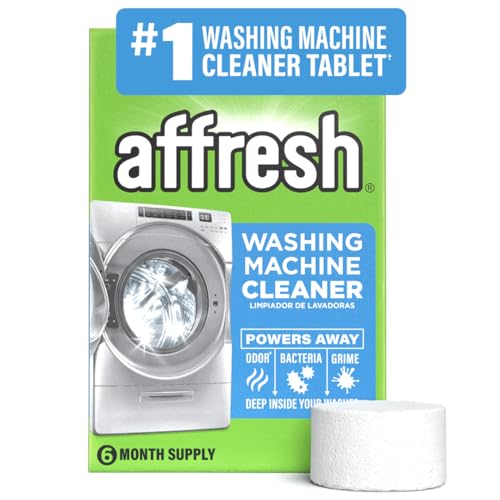
Affresh Washing Machine Cleaner, 6 Tablets
Affresh tablets are made for front-load, top-load and HE washers and clear the residue that causes a musty drum. Use one in an empty hot cycle once a month, as the maker directs.
Buy on AmazonIf your machine smells strongly or you want a non-chlorine option, see our guide to enzyme washing machine cleaners, which break down the oily, protein-rich gunk that bacteria feed on. For heavy mould on the gasket, our washing machine cleaners for mildew list covers stronger choices.

OxiClean Odor Blasters Odor and Stain Remover Powder, 5 lb
An oxygen booster made for odours, suitable for soaking towels and gym clothes before the wash. It is chlorine-free, so it works on most colourfast fabrics; check the label for wool and silk.
Buy on AmazonWhy do gym clothes and polyester smell even after washing?
Synthetic fibres repel water but attract oils. A quick cold wash removes the sweat but leaves much of the oil and the bacteria in it, so the odour returns when the fabric warms on your skin.
Fabric softener makes it worse: it seals oil in and blocks the wicking finish on performance wear. Use a detergent with strong enzymes for body oils, wash at 40°C and inside out, and skip the softener.
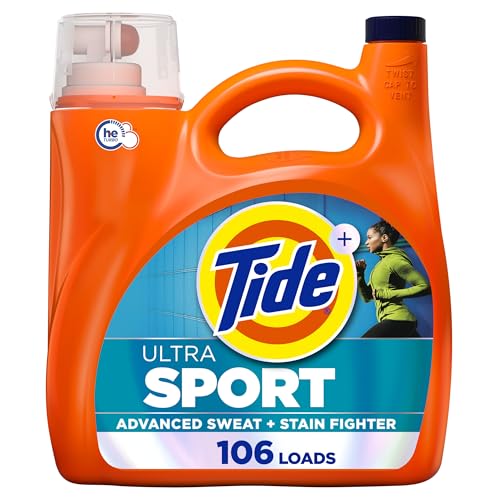
Tide Plus Febreze Sport Odor Defense Liquid Detergent
A sport formula made for sweat odour in workout clothes, and HE compatible. Use it with a 40°C wash, inside out, and leave out the softener.
Buy on AmazonExpert tip from Kamrul Islam
Wash gym clothes within a day of wearing them. If they must wait, hang them open to dry rather than leaving them balled up in a bag. Damp polyester in a closed bag is the fastest way to set a smell in.
What makes laundry smell good after washing?
Clean laundry smells good because of three things working together: no bacteria or residue underneath, a fragrance that bonds to the fibre and complete drying. Modern detergents use encapsulated perfume that releases slowly as the fabric moves, so a clean base lets that scent last for days instead of hours.
If you want a stronger, longer-lasting scent, choose it in the detergent rather than layering softener and boosters on a dirty base. Our best smelling long-lasting laundry detergent guide compares the strongest options, and a fragrance-free detergent is the better choice for sensitive skin.
How to keep laundry smelling fresh
- Unload within an hour of the cycle ending. Use a delay-start timer so the wash finishes when you are home.
- Leave the washer door and drawer open between loads so the gasket dries.
- Clean the washer monthly, and wipe the gasket weekly if you have a front loader.
- Dose detergent by load size and water hardness, not by eye. HE machines need less.
- Use softener sparingly, and never on towels or activewear. See how to soften fabric without fabric softener.
- Wash towels and bedding warm (60°C for white cotton) at least every few washes.
- Store laundry only when bone dry, in a ventilated closet, and keep sweaty clothes out of the hamper until they have dried.
- Never mix vinegar and chlorine bleach; together they release chlorine gas.
Frequently asked questions
Why does my laundry smell musty after washing?
A musty smell means bacteria or mould grew in a damp load or inside the washer. Clean the machine, rewash with an oxygen booster and dry clothes within an hour of the cycle ending.
Why does all my laundry stink, even clean clothes?
When every load smells, the washer is usually the source. Biofilm in the door gasket, drawer or drain filter transfers to each wash, so clean those parts and run a hot empty cycle with a washer cleaner.
Why does my laundry smell after drying?
It usually dried too slowly or was folded while slightly damp. Thick cotton holds water for a long time, so space items out, use airflow or a dryer, and store them only when completely dry.
Can too much detergent make clothes smell?
Yes. Extra detergent does not rinse out fully, especially in HE machines, and the leftover film feeds bacteria. Measure to the dose line and add an extra rinse if clothes feel sticky.
Why do my workout clothes still smell after washing?
Polyester and nylon hold body oils that cold water does not remove. Wash them inside out at 40°C with a sport detergent, pre-soak in an oxygen booster if needed, and skip fabric softener.
Does fabric softener cause smelly laundry?
It can. Softener is designed to stay on the fibre, and regular use builds a coating that traps oils and odour, especially on towels and synthetics. Use it rarely or switch to a softener-free routine.
How long does clean laundry smell last?
On a properly clean, fully dry fabric, detergent fragrance typically lasts a few days to a couple of weeks in a closet. If the scent fades within hours and a musty smell appears, there is residue or bacteria underneath.
Does hard water make laundry smell?
Hard water minerals react with detergent and leave deposits that hold oils and odour. Use the hard-water dose on your detergent or add a water-softening laundry booster.
Our verdict
The bottom line
Smelly laundry is a bacteria and residue problem, not a fragrance problem. Clean the washer, use less detergent and softener, wash warm enough for the fibre and dry every load within an hour. For polyester, remove body oil; for cotton towels, dry fast.
Buy on Amazon