When it comes to sewing, precision and durability are paramount, especially in the world of garment making and repairs. One of the unsung heroes in this domain is the bar tack sewing machine. This specialized machine ensures that the seams and stitches in clothing withstand the rigors of wear and tear, particularly in high-stress areas like pockets, waistbands, and zippers. Understanding the function and advantages of bar tacking can take your sewing projects to the next level, whether you’re a hobbyist or a professional tailor.
What is a Bar Tack Sewing Machine?
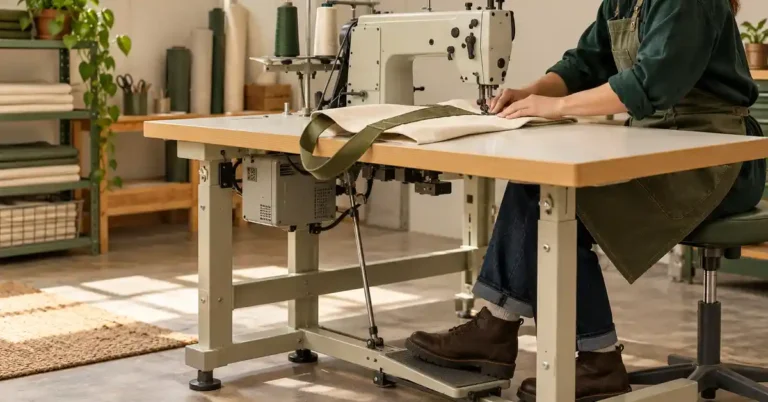
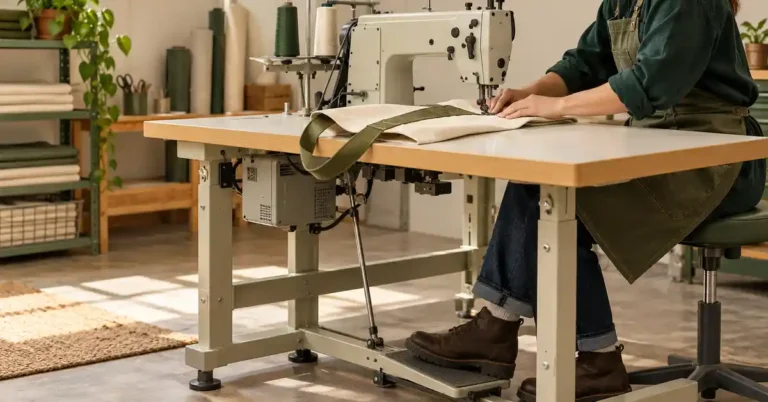
A bar tack sewing machine is a specialized sewing machine designed specifically for creating bar tacks, which are short, tight stitches that reinforce the seams of garments. These stitches are often used in areas that experience high stress, such as the ends of pockets, buttonholes, and belt loops. Bar tacks are crucial for preventing tearing and ensuring the longevity of the garment.
How Does It Work?
The operation of a bar tack sewing machine is relatively straightforward, yet the results are robust. Here’s a simplified breakdown of how it works:
- Threading: The machine is threaded with durable thread, often heavier than standard sewing thread, to withstand stress.
- Setting the Stitch Length: The stitch length for bar tacks is typically very short, often around 1-2 mm, which allows for dense stitching.
- Positioning the Fabric: The fabric is placed under the presser foot, and the machine is programmed to stitch a specific number of times in the same location.
- Stitching: The machine automatically creates several back-and-forth stitches, forming a tight bar tack that reinforces the fabric.
Benefits of Using a Bar Tack Sewing Machine
Investing in a bar tack sewing machine offers numerous advantages:
- Durability: Bar tacks provide a reinforced stitch that helps prevent fabric from tearing, making garments last longer.
- Speed: These machines are designed for efficiency, allowing for quick application of bar tacks without manual intervention.
- Precision: The machine can accurately place stitches in specific locations, which is critical for maintaining the integrity of the garment.
- Versatility: While primarily used for reinforcement, bar tack machines can also be used to create decorative elements in sewing projects.
Types of Bar Tack Machines
There are several types of bar tack sewing machines available, each designed for specific applications:
| Type | Description | Best For |
|---|---|---|
| Manual Bar Tack Machine | Operated by hand, allowing for more control over stitching. | Small-scale projects or home sewing. |
| Automatic Bar Tack Machine | Automatically stitches bar tacks at pre-set intervals. | Large-scale manufacturing and high-volume production. |
| Electronic Bar Tack Machine | Uses computerized controls for precise stitching. | Advanced sewing projects requiring accuracy. |
How to Choose a Bar Tack Sewing Machine
Selecting the right bar tack sewing machine involves considering several factors:
- Usage: Determine whether you need a machine for personal projects, small business, or large-scale manufacturing.
- Features: Look for machines with features such as adjustable stitch length, speed control, and ease of threading.
- Budget: Bar tack sewing machines can range significantly in price; set a budget that aligns with your needs.
- Brand Reputation: Research brands known for reliability and customer support.
Maintenance Tips for Bar Tack Sewing Machines
- Regular Cleaning: Dust and lint can accumulate, so clean the machine regularly, especially in the bobbin area.
- Oil the Machine: Follow the manufacturer’s recommendations for oiling; this helps keep the machine running smoothly.
- Check for Wear: Regularly inspect the needle and thread for signs of wear and replace them as necessary to avoid malfunction.
- Professional Servicing: Consider having your machine serviced by a professional annually to ensure it operates efficiently.
Frequently Asked Questions
A: Bar tack sewing machines work well with various fabrics, including denim, canvas, and other heavy materials. Ensure you use the appropriate needle and thread for best results.
A: While you can create bar tacks with a regular sewing machine, using a dedicated bar tack machine provides more precision and durability.
A: Most bar tack machines have a simple adjustment dial or digital interface for changing the stitch length, typically located on the machine’s body.
A: A bar tack is a series of straight stitches that form a dense, tight pattern, while a zigzag stitch creates a decorative zigzag pattern and is less suited for reinforcement.
In conclusion, a bar tack sewing machine is an invaluable tool for anyone serious about sewing and garment construction. Its ability to reinforce high-stress areas in fabrics can significantly enhance the durability and quality of clothing. Whether you’re working on casual sewing projects or professional garment manufacturing, investing in a bar tack machine can elevate your sewing experience. For those interested in expanding their sewing knowledge, consider exploring related topics such as embroidery machines, which can add a decorative element to your projects. For instance, check out our review of the embroidery machine 10 needle or discover how you can Transform Your Wardrobe with J and J Embroidery Magic! Additionally, if you’re looking for festive ideas, our article on the Festive Charm: Christmas Wreath Embroidery Pattern Review might inspire your next project!