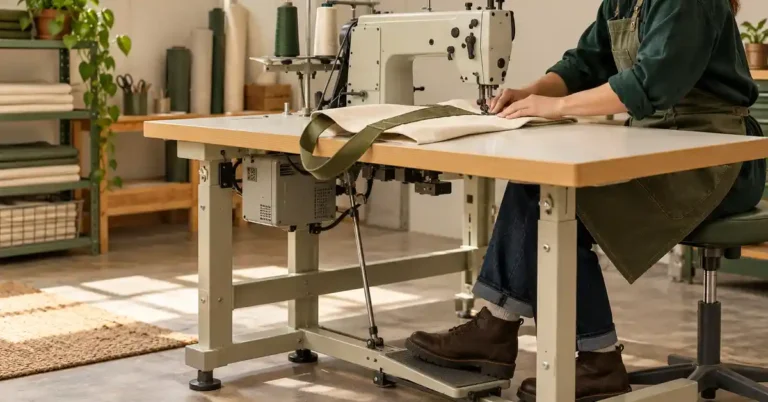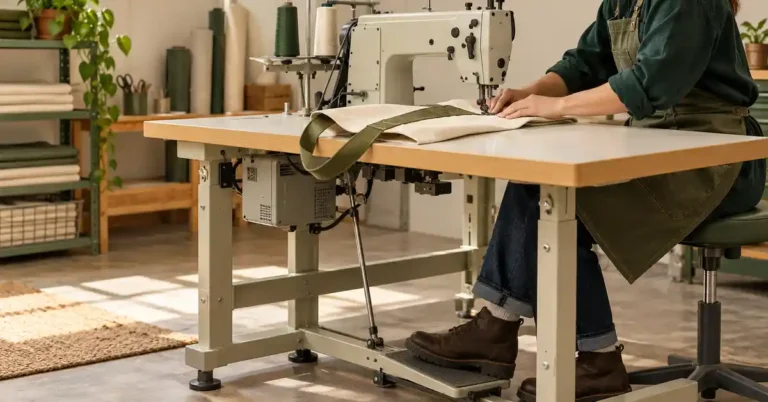
When it comes to sewing, using the right tools can make all the difference. Among these tools, the Brother industrial sewing machine foot stands out for its versatility and functionality. With various types designed for different sewing tasks, understanding the features and benefits of these feet can significantly enhance your sewing experience. In this article, we will delve deep into the world of Brother industrial sewing machine feet, exploring their types, applications, and how to choose the best one for your projects.
What Are Brother Industrial Sewing Machine Feet?
Brother industrial sewing machine feet are specialized attachments designed to enhance the capabilities of Brother sewing machines. These feet are engineered to perform specific functions, making them indispensable for various sewing tasks. Whether you are a professional tailor, a hobbyist, or someone who enjoys crafting, the right sewing foot can help you achieve more precise and professional results.
Types of Brother Industrial Sewing Machine Feet
Brother offers a variety of sewing feet, each designed for specific sewing tasks. Below is a breakdown of some of the most commonly used Brother industrial sewing machine feet.
Standard Foot
The standard foot is the most commonly used sewing foot. It is versatile and suitable for a wide range of sewing tasks, from straight seams to basic stitching. This foot provides a clear view of the fabric, making it easier to sew accurately.
Zipper Foot
A zipper foot is specially designed to sew zippers into garments and accessories. It allows you to get close to the zipper teeth, ensuring a neat finish. This foot can also be used for piping and other decorative applications.
Buttonhole Foot
The buttonhole foot is essential for creating buttonholes with precision. It works by using the sewing machine’s built-in buttonhole function, making it easy to sew consistent and professional-looking buttonholes on garments and accessories.
Walking Foot
A walking foot is invaluable for sewing multiple layers of fabric, especially when working with slippery or delicate materials. It helps to move the fabric through the machine evenly, preventing shifting and puckering.
Overcasting Foot
The overcasting foot is designed for finishing the edges of fabric to prevent fraying. It allows you to create neat, professional-looking seams and is particularly useful for sewing knits and stretchy fabrics.
How to Choose the Right Brother Industrial Sewing Machine Foot
Choosing the right sewing machine foot can significantly impact the outcome of your sewing projects. Here are some factors to consider when selecting a Brother industrial sewing machine foot:
- Project Type: Consider the specific tasks you will be undertaking. For example, if you are sewing zippers, opt for a zipper foot.
- Fabric Type: Different fabrics require different feet. Heavier fabrics may need a walking foot, while delicate fabrics might be better suited for a standard foot.
- Sewing Technique: Think about the techniques you will be using, such as quilting or embroidery, and choose the foot that enhances those skills.
Maintaining Your Brother Sewing Machine Feet
Proper maintenance of your sewing machine feet can prolong their lifespan and ensure optimal performance. Here are some tips for keeping your Brother industrial sewing machine feet in top shape:
- Regular Cleaning: Remove any lint or debris from the foot after each use. This will prevent build-up and ensure smooth operation.
- Proper Storage: Store your sewing feet in a safe place, ideally in a dedicated storage box or container, to prevent damage.
- Periodic Inspection: Regularly check your sewing feet for any signs of wear or damage. If you notice any issues, replace the foot to maintain sewing quality.
Common FAQs about Brother Industrial Sewing Machine Feet
A: Not all sewing feet are compatible with every Brother machine. Always check your machine’s manual for compatibility before purchasing a foot.
A: Refer to the project instructions or guidelines, as they often specify which foot is best suited for the task at hand.
A: Yes, Brother offers a range of additional feet that can be purchased separately to expand your sewing capabilities.
A: Most Brother sewing feet can be easily attached by removing the existing foot and snapping the new foot into place. Consult your machine’s manual for specific instructions.
Conclusion
The Brother industrial sewing machine foot is an essential accessory for anyone serious about sewing. By understanding the various types of feet available and their specific uses, you can elevate your sewing projects to the next level. Whether you’re creating buttonholes, inserting zippers, or working with delicate fabrics, the right foot can make all the difference in achieving professional results. Don’t forget to maintain your sewing feet properly to ensure longevity and optimal performance. With the knowledge gained from this article, you’re now equipped to select the best sewing foot for your next creative endeavor!
For more sewing resources, check out our articles on sewing machine oil and explore the exciting features of a Brother embroidery machine. Happy sewing!