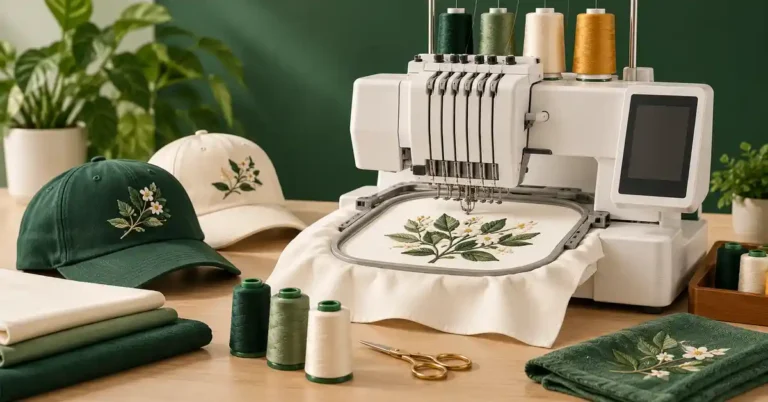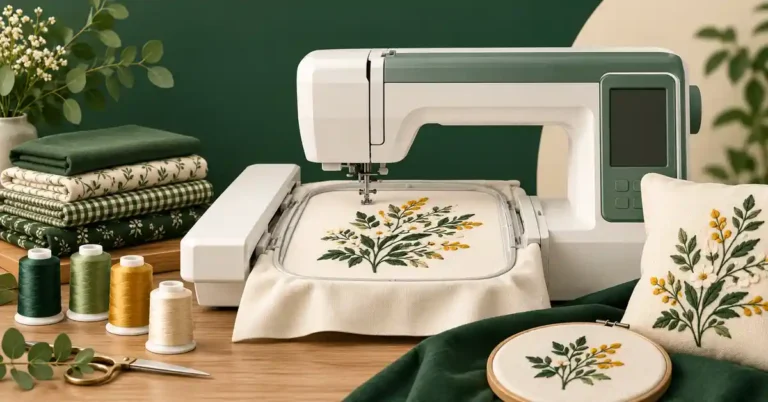
When it comes to sewing and embroidery, the right machine can make all the difference in achieving professional-level results. Brother quilting and embroidery machines have become increasingly popular among crafters and seamstresses for their versatility, ease of use, and advanced features. These machines not only help in creating intricate quilts but also enable users to personalize their projects with stunning embroidery designs. Whether you’re a beginner or an experienced sewer, understanding the capabilities and features of Brother machines can elevate your crafting experience and lead to beautiful creations.
Key Features of Brother Quilting and Embroidery Machines
Brother quilting and embroidery machines boast a variety of features that cater to different sewing needs. Understanding these features can help you choose the right machine for your projects.
1. Versatile Stitch Options
Most Brother machines come with hundreds of built-in stitches, including decorative stitches, quilting stitches, and basic sewing stitches. This variety allows you to tackle different projects with ease.
2. Embroidery Designs
Many Brother machines offer a selection of built-in embroidery designs. Additionally, you can import custom designs via USB, giving you endless creative possibilities.
3. User-Friendly Interface
The LCD touch screens on Brother machines make navigation intuitive. Users can easily select stitches, adjust settings, and preview designs before stitching.
4. Automatic Features
Automatic needle threading, thread cutting, and stitch length adjustments are common in Brother machines, which simplifies the sewing process and minimizes errors.
5. Large Embroidery Area
Many models feature a spacious embroidery area, allowing you to work on larger designs without needing to reposition the fabric constantly.
Types of Brother Quilting and Embroidery Machines
Brother offers a range of models tailored for quilting and embroidery enthusiasts. Here are some common types:
1. Combination Machines
These machines serve as both sewing and embroidery machines, making them versatile for various projects. They are ideal for users who want to switch between sewing and embroidery without needing multiple machines.
2. Embroidery-Only Machines
Designed solely for embroidery, these machines often come with extensive embroidery features and designs. They are perfect for those focused primarily on creating embroidered items.
3. Quilting Machines
These machines are equipped with features specifically for quilting, such as walking feet and larger throat spaces, allowing for easier maneuverability when working with quilts.
Setting Up Your Brother Machine
Getting your Brother quilting and embroidery machine ready for use involves several steps. Here’s a straightforward guide to help you set it up correctly.
1. Unboxing and Initial Setup
Carefully unbox your machine and remove all protective materials. Set it up on a stable surface with adequate lighting for visibility.
2. Installing the Needle and Thread
Follow the user manual to install the needle correctly. Thread the machine according to the diagram provided on the machine or in the manual.
3. Loading the Bobbin
Wind the bobbin as instructed and place it into the bobbin case. Ensure it is threaded properly to avoid issues during sewing.
4. Testing the Machine
Before starting your project, it’s wise to test the machine with a scrap piece of fabric. This will ensure everything is functioning correctly.
Techniques for Successful Quilting and Embroidery
Mastering certain techniques can significantly enhance the quality of your quilting and embroidery projects. Here are some essential techniques to consider.
1. Choosing the Right Fabric
The type of fabric you choose can affect both the stitching process and the final outcome. Quilting cotton, for instance, is a popular choice for its durability and ease of sewing.
2. Stabilizers for Embroidery
Using the right stabilizers is key to preventing fabric distortion during embroidery. Different projects may require different types of stabilizers, such as tear-away, cut-away, or water-soluble stabilizers.
3. Tension Adjustment
Adjusting the tension settings on your machine helps achieve balanced stitches. Always test the tension on a scrap piece before starting your project.
4. Quilting Techniques
Familiarize yourself with various quilting techniques, such as free-motion quilting and straight-line quilting, to enhance your skill set.
5. Embroidery Placement
Proper placement of the embroidery design is crucial. Use a marking tool to ensure accuracy before starting the stitching process.
Maintaining Your Brother Machine
1. Cleaning the Machine
Regularly clean the machine to remove dust and lint buildup. Pay special attention to the bobbin case and feed dogs.
2. Oiling the Machine
Refer to the user manual for guidance on when and how to oil your machine. Proper lubrication can prevent wear and tear on moving parts.
3. Updating Software
If your machine has software that can be updated, make sure to check for updates periodically. This can improve performance and add new features.
Troubleshooting Common Issues
Even experienced users encounter issues from time to time. Here are some common problems and their solutions.
1. Thread Bunching
If you notice thread bunching beneath the fabric, check your tension settings and ensure the bobbin is threaded correctly.
2. Uneven Stitches
Uneven stitches can result from incorrect tension or using the wrong needle for your fabric. Adjust the tension and ensure you are using the appropriate needle type.
3. Machine Jamming
If the machine jams frequently, check for obstructions in the bobbin area and ensure that the thread is loaded correctly.
A: Ideally, you should clean your machine after every project or at least once a month if used regularly.
A: It’s best to use high-quality thread that is compatible with your machine for optimal results.
Frequently Asked Questions
A: Models like the Brother SE1900 or the Brother PE800 are great options for beginners due to their user-friendly features and built-in tutorials.
A: Yes, Brother combination machines are versatile and can handle various sewing tasks in addition to quilting and embroidery.
Conclusion
Brother quilting and embroidery machines offer a wealth of features that cater to both novice and advanced users. With the right machine, you can unlock your creativity and produce stunning, personalized projects. Remember to take care of your machine with proper maintenance, and don’t hesitate to explore different techniques to broaden your skills. Whether you’re crafting quilts or adding embroidery to your wardrobe, the possibilities are endless with a Brother machine by your side. For inspiration, check out Beautiful Designs to Elevate Your Wardrobe and Discover the Perfect 24-Inch Embroidery Hoop Seamlessly. Happy sewing!