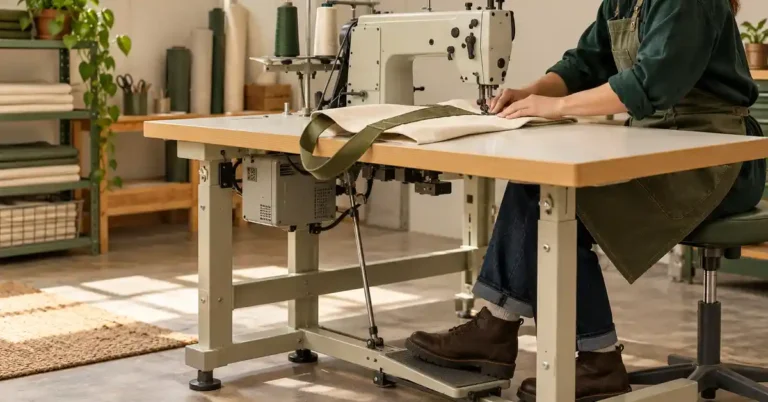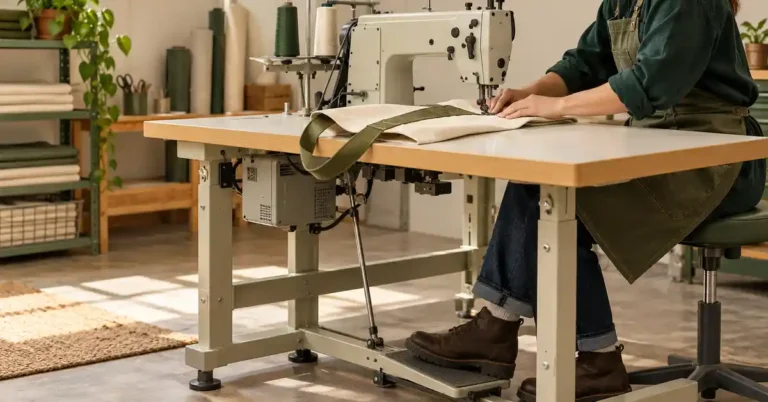

Quilting is a beloved craft that combines creativity with functionality, allowing individuals to create beautiful and often sentimental pieces of art. Many aspiring quilters wonder whether they can use a regular sewing machine to embark on their quilting journey. The answer may depend on various factors, including the type of quilt you wish to make, the features of your sewing machine, and your own sewing skills. In this comprehensive guide, we will explore the possibilities of quilting with a regular sewing machine, the necessary techniques, and tips to help you get started.
Can You Quilt with a Regular Sewing Machine?
The short answer is yes! You can quilt with a regular sewing machine, and many quilters do so successfully. However, there are some important considerations to keep in mind:
Types of Quilting You Can Do
When it comes to quilting with a regular sewing machine, the type of quilting you can do largely depends on the features of your machine and your skill level. Here are some common types of quilting that can be done:
- Patchwork Quilting: This is the most basic form of quilting, involving sewing together pieces of fabric to create a larger design. A regular sewing machine is perfect for this.
- Quilting with Straight Lines: If your machine has a straight stitch, you’re set for basic quilting. You can create grid patterns or follow the seams of your patchwork.
- Free Motion Quilting: While a regular machine can do free-motion quilting, it requires a darning foot and some practice. This technique allows you to create intricate designs.
Limitations of a Regular Sewing Machine
While you can quilt on a regular sewing machine, there are limitations to consider:
- Throat Space: Regular sewing machines often have less throat space than dedicated quilting machines, making it challenging to maneuver larger quilts.
- Speed and Power: Regular machines may not handle the bulk and layers of quilts as well as heavier-duty quilting machines.
Essential Tools and Supplies
Before you start quilting, it’s essential to gather the right tools and supplies to ensure a smooth and enjoyable experience. Here’s what you’ll need:
Basic Sewing Supplies
| Item | Purpose |
|---|---|
| Sewing Machine | Your main tool for quilting |
| Rotary Cutter | For cutting fabric accurately |
| Cutting Mat | Protects your workspace and keeps blades sharp |
| Quilting Ruler | Helps measure and cut fabric precisely |
| Fabric | Your chosen materials for the quilt |
| Thread | To sew your quilt together |
| Quilting Needles | Designed for sewing through multiple layers |
Optional Supplies
In addition to the basics, you may want to consider some optional supplies:
- Walking Foot: This attachment helps feed multiple layers of fabric evenly, reducing the risk of puckering.
- Darning Foot: If you’re interested in free-motion quilting, a darning foot is essential.
- Quilt Basting Spray: This temporary adhesive helps hold your quilt layers together while you sew.
Techniques for Quilting
Once you have your supplies ready, it’s time to dive into the techniques that will help you quilt effectively with a regular sewing machine. Here are some essential techniques to master:
Basic Piecing Techniques
Before you can quilt, you’ll need to piece your quilt top together. Here are some steps to follow:
- Choose your fabric and design. Cut your fabric into the shapes you need using a rotary cutter and ruler.
- Arrange the pieces on a flat surface to visualize your quilt’s layout.
- Sew the pieces together using a quarter-inch seam allowance. Press the seams open or to one side, depending on your pattern.
Basting Your Quilt Layers
Once your quilt top is pieced, you need to baste the quilt layers together. The typical layers are:
- Quilt top
- Batting
- Quilt backing
To baste, lay the backing fabric down first, right side down. Place the batting on top, followed by the quilt top, right side up. You can use safety pins, basting spray, or hand-basting stitches to hold the layers together.
Quilting Techniques
There are different techniques you can use to quilt your layers together:
- Stitch in the Ditch: This technique involves sewing directly in the seams of your quilt top. It’s a great way to stabilize the quilt without adding extra quilting lines.
- Free Motion Quilting: Using a darning foot, you can create custom patterns and designs. This technique allows for creativity but requires practice to master.
- Walking Foot Quilting: Ideal for straight-line quilting, the walking foot helps ensure even feeding of all layers.
Common Challenges and Solutions
Quilting with a regular sewing machine may come with its challenges. Here are some common issues and how to address them:
Puckering
Puckering can occur when the fabric layers are not fed evenly through the machine.
Needle Breakage
If you experience frequent needle breakage, it may be due to the wrong needle type or tension issues.
Uneven Stitching
Uneven stitches can result from inconsistent fabric feeding or improper tension settings.
Maintaining Your Sewing Machine
Proper maintenance of your sewing machine is essential for smooth quilting. Here are some tips to keep your machine in top shape:
Regular Cleaning
Lint and dust can accumulate in your machine, affecting its performance. Clean the bobbin area and feed dogs regularly.
Oiling Your Machine
Refer to your sewing machine’s manual for oiling instructions. Regular oiling can help keep your machine running smoothly.
Scheduled Maintenance
Consider taking your sewing machine for professional servicing annually to keep it in optimal condition.
FAQ
A: While it’s possible, it may be challenging due to limited throat space. Consider using a long arm machine for larger quilts.
A: Cotton thread is often recommended for quilting due to its strength and minimal stretch.
A: Practice on scrap fabric, start with simple designs, and gradually work up to more complex patterns.
In conclusion, quilting with a regular sewing machine is not only possible but can also be a rewarding experience. By mastering basic techniques, gathering the right tools, and understanding the limitations of your machine, you can create beautiful quilts. Whether you’re piecing together a simple patchwork or exploring free-motion quilting, the joy of quilting awaits you. Remember to maintain your machine, practice regularly, and embrace the learning journey as you create unique pieces of art. Happy quilting!