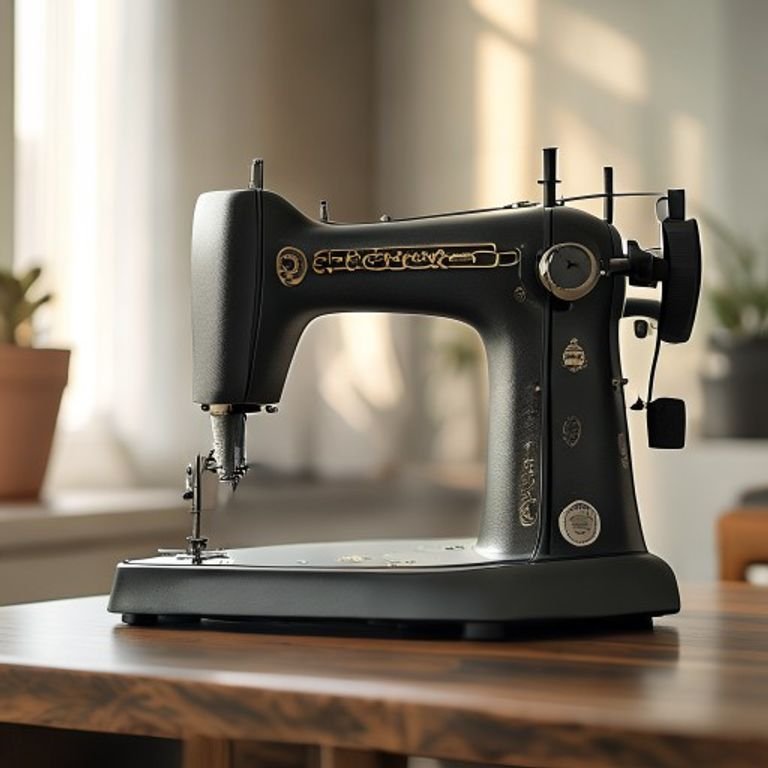
The ladder stitch sewing machine has become an essential tool for both amateur and professional sewers alike. Known for its ability to create nearly invisible seams, the ladder stitch is ideal for hemming, finishing edges, and mending. This technique is especially favored in quilting and garment construction, where a clean finish is paramount. In this article, we will delve into the specifics of ladder stitch sewing machines, how they work, their benefits, and tips for using them effectively.
Table of Contents
- What is Ladder Stitch?
- How Ladder Stitch Sewing Machines Work
- Benefits of Ladder Stitch Sewing Machines
- Choosing the Right Ladder Stitch Sewing Machine
- Tips for Using Ladder Stitch Sewing Machines
- Common Issues and Solutions
- FAQ
What is Ladder Stitch?
Ladder stitch, also known as slip stitch or blind stitch, is a hand-sewing technique that allows for the joining of two fabric pieces while keeping the seam hidden. This method is particularly useful for hems on garments and quilts where you want to avoid visible stitching on the outside. The ladder stitch sewing machine automates this process, making it quicker and more efficient than hand sewing.
How Ladder Stitch Sewing Machines Work
Ladder stitch sewing machines are equipped with specialized attachments that guide the fabric through the machine to create the ladder stitch pattern. The key components include:
- Needle: A fine needle is usually required to avoid damaging delicate fabrics.
- Foot: The presser foot helps to keep the fabric aligned while feeding it through the machine.
- Stitch Settings: Adjustable stitch settings allow you to customize the stitch length and tension for different fabrics.
Benefits of Ladder Stitch Sewing Machines
Investing in a ladder stitch sewing machine can offer numerous advantages:
- Speed: Automated stitching saves time compared to hand sewing.
- Precision: Consistent stitch length and tension ensure a professional finish.
- Versatility: Suitable for various fabrics, from lightweight cotton to heavier textiles.
- Ease of Use: Many machines come with user-friendly interfaces, making them accessible for beginners.
Choosing the Right Ladder Stitch Sewing Machine
Selecting the right machine can be daunting given the variety of options available. Here are some factors to consider:
| Feature | Description |
|---|---|
| Stitch Options | Look for machines that offer a variety of stitch types, including ladder stitch. |
| Ease of Use | User-friendly controls and clear instructions can make a significant difference. |
| Brand Reputation | Consider brands known for reliability and customer support. |
| Reviews | Read user reviews to gauge performance and satisfaction. |
Tips for Using Ladder Stitch Sewing Machines
To maximize the effectiveness of your ladder stitch sewing machine, consider the following tips:
1. Prepare Your Fabric
Ensure your fabric is clean, pressed, and ready for sewing. This will help achieve a more precise stitch.
2. Adjust Machine Settings
Fine-tune your stitch length and tension based on the type of fabric you are using. Lightweight fabrics may require shorter stitches, while heavier fabrics may need longer stitches.
3. Use Quality Thread
Select high-quality thread that matches your fabric. This will not only enhance the appearance of your seams but also improve durability.
Common Issues and Solutions
Even the best machines may encounter problems. Here are some common issues and their solutions:
- Skipped Stitches: This can occur due to incorrect needle size or threading issues. Ensure you are using the appropriate needle for your fabric type.
- Tension Problems: If the stitches are too tight or too loose, adjust the tension settings on your machine. Refer to your machine manual for guidance.
- Fabric Jamming: If the fabric gets stuck, check for any obstructions and ensure the presser foot is correctly positioned.
FAQ
A: Yes, many ladder stitch sewing machines also offer various stitch types, making them versatile for different sewing projects.
A: Regularly clean the machine, oil moving parts as recommended, and check the needle and thread conditions to ensure optimal performance.
A: Yes, ladder stitch can be used on heavy fabrics, but ensure your sewing machine is equipped to handle thicker materials.
In conclusion, a ladder stitch sewing machine can be a game-changer for sewers looking for a professional finish on their projects. With the right knowledge, tips, and techniques, you can master the use of this versatile machine to enhance your sewing endeavors. Whether you are creating custom embroidery magic or working on intricate garment details, the ladder stitch sewing machine is an invaluable addition to your sewing arsenal. For those interested in exploring more about embroidery, check out our article on Brother Embroidery Designs, or dive into Elna Embroidery Machine Reviews to discover why crafters love these machines.