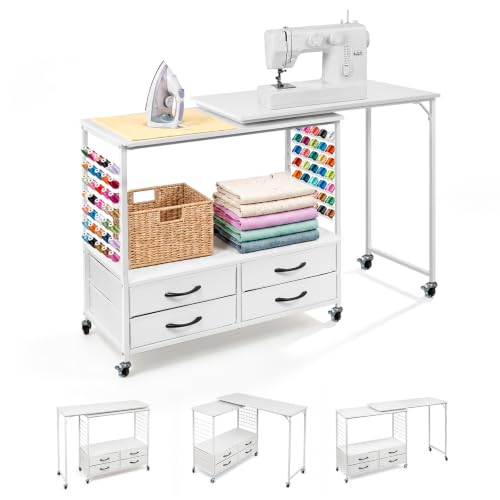
Sewing Machine Table Plans
On this page
Creating a dedicated space for your sewing machine can dramatically enhance your sewing experience. A sewing machine table is not just a piece of furniture; it’s a workspace that can maximize efficiency, organization, and comfort while you craft your projects. Whether you’re a seasoned seamstress or a beginner, having the right sewing machine table can make all the difference. This article will provide you with insightful sewing machine table plans to help you build or choose the perfect table for your needs.
Table of Contents
- Understanding Sewing Machine Tables
- Key Features of Sewing Machine Tables
- DIY Sewing Machine Table Plans
- Buying vs. Building a Sewing Machine Table
- Maintaining Your Sewing Machine Table
- FAQs
Understanding Sewing Machine Tables
Sewing machine tables come in various shapes, sizes, and designs, tailored to meet the needs of different sewing projects. A good sewing machine table is designed to accommodate the machine securely while providing ample space for fabric handling and storage for sewing supplies. Understanding the fundamental aspects of sewing machine tables can help you make informed decisions about your workspace setup.
Types of Sewing Machine Tables
There are several types of sewing machine tables available, each catering to different sewing needs:
- Portable Tables: Ideal for those who need to move their sewing machine often, these tables are lightweight and easy to transport.
- Stationary Tables: These are designed to be placed in a dedicated sewing area, offering stability and ample workspace.
- Multi-functional Tables: These tables may include features like adjustable heights, foldable sections, or additional storage options.
Key Features of Sewing Machine Tables
When selecting or designing a sewing machine table, there are critical features to consider that will enhance your sewing experience:
Size and Space
The size of your sewing machine table should accommodate your sewing machine and provide enough space for fabric manipulation. Make sure to measure your sewing machine before selecting a table.
Height Adjustment
Tables with adjustable heights can be beneficial for maintaining good posture while sewing. This feature allows you to customize the table height to match your chair and comfort level.
Storage Solutions
Built-in drawers or shelves can help keep your sewing area organized. Look for tables that offer ample storage for threads, scissors, and other sewing essentials.
DIY Sewing Machine Table Plans
If you enjoy woodworking or are looking for a budget-friendly option, building your own sewing machine table can be a rewarding project. Below are some DIY sewing machine table plans that you might find helpful.
Basic Sewing Machine Table Plan
This plan involves creating a simple table that can accommodate most sewing machines.
- Materials Needed:
- 1 sheet of plywood (3/4 inch thick)
- 4 legs (can be made from 2×4 lumber)
- Wood screws
- Wood glue
- Steps:
- Cut the plywood to your desired table size.
- Attach the legs using wood screws and glue.
- Sand the edges and surface to avoid splinters.
- Finish with paint or varnish if desired.
Advanced Sewing Machine Table Plan with Storage
This plan includes additional storage features, making it more functional for serious sewing enthusiasts.
- Materials Needed:
- 1 sheet of plywood (3/4 inch thick)
- 2 sheets of MDF for shelves
- 4 legs (can be made from 2×4 lumber)
- Wood screws
- Drawer slides
- Wood glue
- Steps:
- Cut the plywood to create the tabletop and shelves.
- Assemble the frame with legs and attach the shelves using screws.
- Install drawer slides for any additional drawers you want.
- Finish as desired with paint or varnish.
Buying vs. Building a Sewing Machine Table
When considering your options, you may wonder whether to buy a pre-made sewing machine table or build one yourself. Here are some factors to weigh:
| Factor | Buying | Building |
|---|---|---|
| Cost | Can be expensive depending on features | Potentially cheaper, especially if you have materials |
| Customization | Limited to available models | Fully customizable to your needs |
| Time | Immediate setup | Takes time to design and build |
| Quality | Varies by manufacturer | Depends on your skills and materials used |
Maintaining Your Sewing Machine Table
Once you’ve created or purchased your sewing machine table, proper maintenance is key to ensuring it remains a functional and aesthetically pleasing workspace.
Regular Cleaning
Dust and fabric lint can accumulate on your sewing machine table. Regular cleaning with a damp cloth and gentle cleaning solutions can help maintain the table’s condition.
Check Stability
Regularly check the stability of your table, especially if you built it yourself. Ensure all screws are tight and legs are secure to avoid accidents while sewing.
FAQs
A: The ideal height varies based on your height and chair. Generally, the table should be at elbow height when seated.
A: Allow at least 3 feet of space around your table to maneuver fabric easily and move comfortably.
A: While you can use any sturdy table, a dedicated sewing machine table is designed specifically for sewing tasks, providing better stability and functionality.
In summary, whether you’re looking to build or buy a sewing machine table, understanding your needs and workspace can significantly improve your sewing experience. For more sewing-related insights, check out Stitch Magic: Floral Embroidery Machine Designs Shine or explore the best sewing thread for your Brother machine. And if you want to dive deeper into sewing and embroidery machines, read our review on the LB5000 sewing & embroidery machine. Happy sewing!