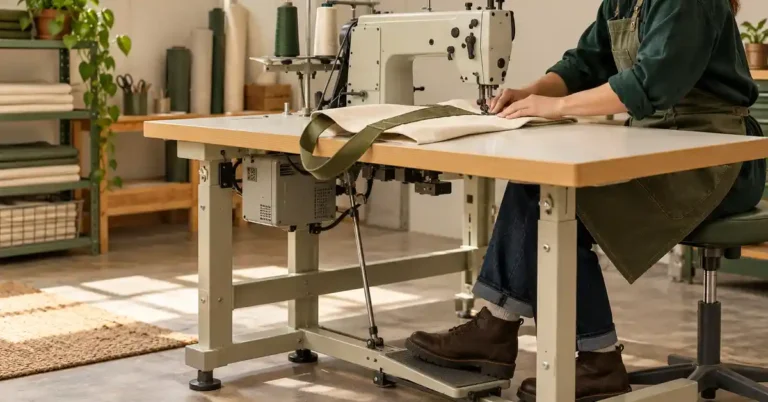

Sewing machines are indispensable tools for crafters, hobbyists, and professionals alike. However, like any mechanical device, they can encounter problems that may hinder their performance. Learning to repair sewing machines can save you time, money, and frustration, allowing you to get back to your creative projects without the need for a costly repair service. This article will guide you through the fundamental aspects of machine repair, offering practical tips, common issues, and troubleshooting advice to help you become more confident in your sewing journey.
Basic Components of a Sewing Machine
Understanding the basic components of a sewing machine is essential for learning to repair it. Here are the key parts you need to familiarize yourself with:
Needle
The needle is a crucial component that penetrates the fabric to create stitches. Different types of needles are designed for various fabric types, such as denim, cotton, or jersey. Using the wrong needle can lead to skipped stitches or fabric damage.
Bobbin
The bobbin holds the lower thread and is located beneath the needle. A properly wound bobbin is essential for smooth operation. A tangled or incorrectly placed bobbin can cause stitching issues.
Feed Dogs
Feed dogs are small ridges located under the needle plate that move the fabric forward as you sew. If they are stuck or malfunctioning, your fabric may not feed properly, leading to uneven stitches.
Tension Mechanism
The tension mechanism controls the tightness of the thread as it passes through the needle and bobbin. Incorrect tension can cause loose stitches or thread breakage, making it vital to understand how to adjust it.
Common Sewing Machine Issues
Even with regular use, sewing machines can encounter various issues. Here are some of the most common problems you may face:
Thread Bunching
Thread bunching occurs when the upper and lower threads fail to interlock properly, resulting in a tangled mess on the fabric’s underside. This problem can arise from incorrect threading, poor tension settings, or using the wrong thread type.
Skipped Stitches
Skipped stitches can be frustrating and often result from a dull needle, incorrect needle placement, or improper tension settings. If you notice skipped stitches, check these factors before moving on to more complicated solutions.
Machine Jamming
Machine jamming can be caused by thread tangles, lint buildup, or a malfunctioning bobbin. Regular cleaning and maintenance can help prevent this issue.
Needle Breakage
Broken needles are a common occurrence and can result from using the wrong needle for your fabric, sewing through thick materials, or threading the needle incorrectly.
Troubleshooting Tips
When faced with a sewing machine issue, follow these troubleshooting tips to help diagnose and resolve the problem:
Check the Threading
Ensure that both the upper and lower threads are correctly threaded. Many sewing machines have guides on the machine itself to help you thread them properly. If you have recently changed the thread, it’s worth double-checking.
Inspect the Needle
Check the needle for bends, dullness, or damage. If you suspect it is faulty, replace it with a new one suitable for your fabric type. A fresh needle can make a significant difference in performance.
Adjust the Tension
If you’re experiencing loose or tight stitches, try adjusting the tension settings. Start with a mid-range setting and test your stitches on a scrap piece of fabric before making further adjustments.
Clean the Machine
Regular cleaning can prevent many common issues. Remove lint and debris from the bobbin area, feed dogs, and needle plate. Use a small brush or compressed air to reach tight spots.
Preventive Maintenance
To keep your sewing machine in top condition, consider adopting a preventive maintenance routine. Here are some key practices:
Regular Cleaning
Make it a habit to clean your sewing machine after every few projects or at least once a month. Remove the needle plate and clean under it, as well as around the bobbin case and feed dogs.
Proper Storage
Store your sewing machine in a dust-free environment and cover it when not in use. Avoid placing heavy items on top of it, which can cause misalignment or damage.
Use Quality Supplies
Invest in high-quality threads and needles to reduce the risk of issues stemming from inferior materials. This practice not only enhances your sewing experience but also extends the lifespan of your machine.
Follow the Manual
Your sewing machine manual is a valuable resource for understanding its specific maintenance needs. Follow the manufacturer’s recommendations for cleaning, oiling, and servicing your machine.
Resources for Learning More
If you’re eager to learn more about sewing machine repair and maintenance, consider the following resources:
1. **Online Tutorials and Videos** – Many websites and YouTube channels provide step-by-step guides on sewing machine repairs.
2. **Sewing Classes** – Community centers or local craft stores often offer classes that include machine maintenance and troubleshooting.
3. **Books** – Look for books dedicated to sewing machine repair and maintenance, providing in-depth insights and practical advice.
4. **Forums and Online Communities** – Join sewing forums or social media groups where you can ask questions and share experiences with fellow sewing enthusiasts.
FAQ
A: If you’ve tried basic troubleshooting and maintenance but continue to encounter issues like persistent jamming, unusual noises, or electrical problems, it may be time to consult a professional.
A: No, different types of needles are designed for various fabric types. Always choose a needle that matches your fabric for optimal performance.
A: It’s recommended to clean your sewing machine after every few projects, or at least once a month, to prevent lint buildup and maintain smooth operation.
A: Check the needle for damage, ensure proper threading, and adjust the tension settings. If the problem persists, inspect the bobbin and upper thread quality.
In conclusion, learning to repair sewing machines is a valuable skill that can enhance your sewing experience and save you time and money. By understanding the basic components, common issues, and effective troubleshooting techniques, you can confidently address many problems that arise. Regular maintenance and proper care are essential in prolonging the life of your machine. For those interested in expanding their sewing capabilities, consider exploring additional resources, such as Brother’s Disney Embroidery Designs or checking out reviews of various sewing machines like the pr1x embroidery machine, cricut embroidery machine, or the Brother SE600 Sewing and Embroidery Machine. No matter your skill level, the ability to repair your sewing machine will empower you to take on new projects with confidence!