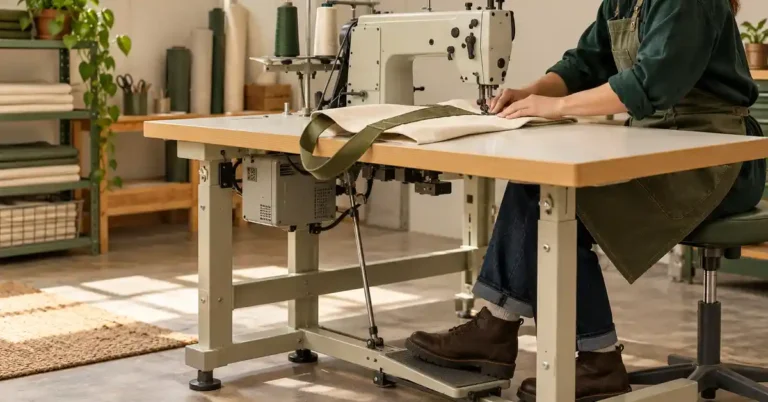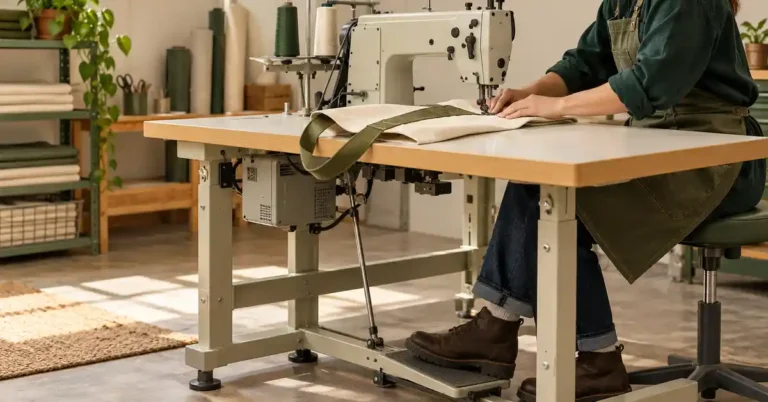
Sewing is an art form that requires not only skill but also the right tools to achieve the best results. Among these tools, sewing machine presser feet play a crucial role in determining the quality and precision of your sewing projects. With a variety of presser feet available, each designed for specific tasks, understanding their functions can significantly enhance your sewing experience. Whether you are a novice or an experienced seamstress, knowing how to select and use the right presser foot can make all the difference in your creations.
What Are Presser Feet?
Presser feet are small attachments that are affixed to the sewing machine, positioned directly above the fabric. They serve the primary purpose of holding the fabric in place while it is being sewn. Depending on the type of presser foot, they can also aid in feeding the fabric through the machine, creating various stitch patterns, or even facilitating embroidery work.
Types of Presser Feet
There are numerous types of presser feet available, each designed for specific functions. Understanding these can help you choose the right foot for your project.
Standard Presser Feet
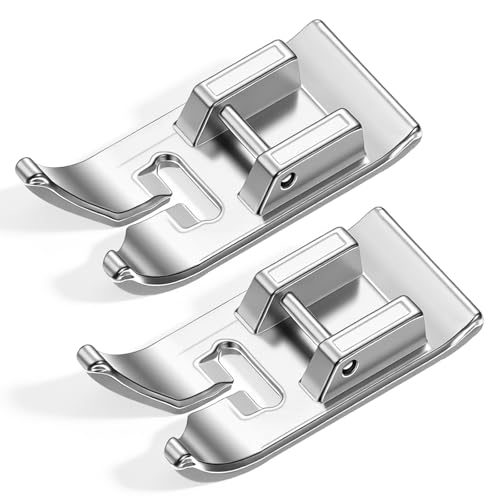
The standard presser foot is typically included with most sewing machines. It is ideal for basic sewing tasks such as straight lines, zigzags, and hems.
Zipper Foot
A zipper foot allows you to sew zippers close to their teeth. This foot can be adjusted to either side, enabling you to sew both left and right sides of a zipper easily.
Buttonhole Foot
This presser foot is specifically designed to create buttonholes. The foot has a guide that helps in measuring and sewing perfect buttonholes, ensuring consistency across your projects.
Walking Foot
The walking foot is essential for sewing multiple layers of fabric or for working with tricky materials like knits and fleece. It helps feed the fabric evenly, preventing bunching or slipping.
Free Motion Quilting Foot
This foot is used for free motion quilting. It allows the fabric to move freely in any direction, enabling you to create intricate quilt designs.
Piping Foot
A piping foot is designed to allow for the sewing of piping into seams easily. It has a groove that accommodates the piping cord, ensuring a professional finish.
Embroidery Foot
The embroidery foot is perfect for embroidery projects, allowing for better visibility and control while stitching intricate designs. If you’re interested in embroidery, you might want to check out my article on Why I Love My SE400 Brother Embroidery Machine: Honest Review.
How to Choose the Right Presser Foot
Choosing the right presser foot can seem daunting, especially with the multitude of options available. Here are some tips to help you make the best choice:
Consider Your Project Type
Before selecting a presser foot, consider the type of project you are working on. For example, if you are sewing a zipper into a garment, a zipper foot is essential. If you are quilting, a walking foot will serve you well.
Check Your Machine Compatibility
Not all presser feet are universal. Ensure that the foot you choose is compatible with your sewing machine model. Always consult the manual or manufacturer’s website for compatibility information.
Assess Fabric Type
Different fabrics behave differently when sewn. Lightweight fabrics may require a foot that provides more control, while heavier fabrics like denim may need a foot that can handle thickness, such as a walking foot.
Evaluate Your Skill Level
If you are a beginner, start with basic presser feet that serve multiple functions. As you gain confidence and experience, you can explore specialized feet to expand your sewing capabilities.
How to Use Presser Feet
Using presser feet correctly can greatly impact the outcome of your projects. Here’s a general guide on how to use them:
Installing the Presser Foot
- Turn off your sewing machine for safety.
- Remove the existing presser foot by lifting the foot lever and detaching the foot that is currently in place.
- Align the new presser foot with the attachment shank and snap it into place. Ensure it is securely attached.
Adjusting Presser Foot Pressure
Some sewing machines allow you to adjust the presser foot pressure. This is particularly useful when working with different fabric types. For delicate fabrics, reduce the pressure to avoid puckering; for thicker fabrics, increase the pressure for better feed.
Using the Presser Foot for Different Techniques
Depending on the foot you are using, techniques may vary. For example, when using a walking foot, ensure that both the walking foot and the feed dogs are engaged for even fabric feeding. When using a free motion foot, you will need to lower the feed dogs for unrestricted movement.
Maintenance of Presser Feet
Maintaining your presser feet is essential for longevity and optimal performance. Here are some maintenance tips:
Cleaning Your Presser Feet
Regularly clean your presser feet to prevent buildup of lint and debris. Use a soft brush or cloth to wipe down the foot after each sewing session. For more thorough cleaning, you can soak them in warm soapy water, then rinse and dry thoroughly.
Inspecting for Damage
Regularly inspect your presser feet for signs of wear or damage, such as cracks or bent parts. If you notice any issues, replace the foot to prevent sewing complications.
Storing Your Presser Feet
Store your presser feet in a dedicated container or organizer to prevent them from getting lost or damaged. Avoid stacking them haphazardly, as this can lead to scratches and other damage.
Common Issues with Presser Feet
Even with the best care, you may encounter issues with your presser feet. Here are some common problems and their solutions:
Fabric Slipping
If your fabric is slipping while sewing, it may be due to an inappropriate presser foot. Consider switching to a walking foot or using a foot with a built-in guide to help stabilize the fabric.
Puckering
Puckering often occurs when there is too much pressure on the presser foot. Adjust the pressure settings on your sewing machine to alleviate this issue, especially when working with lightweight fabrics.
Uneven Stitching
If your stitching is uneven, it may be due to a poorly attached presser foot. Ensure that the foot is properly secured and that the fabric is fed evenly through the machine.
A: It depends on the compatibility of the presser feet with your machine. Always check the manufacturer’s guidelines for compatibility before using presser feet from different brands.
A: Consider the type of fabric and the specific techniques you will be using. Refer to your sewing machine manual for recommendations on presser feet for various projects.
FAQ
A: The standard presser foot is considered the most versatile, as it can be used for various basic sewing tasks. However, for more specialized projects, investing in a walking foot can be beneficial.
A: It’s advisable to clean your presser feet after each sewing session to prevent lint and debris buildup, which can affect performance.
Conclusion
Understanding sewing machine presser feet is essential for anyone looking to enhance their sewing capabilities. With the right presser foot, you can achieve professional results in your projects, whether you’re sewing garments, quilting, or engaging in embroidery. By knowing how to choose, use, and maintain your presser feet, you can avoid common issues and enjoy a smooth sewing experience. For more insights into sewing and embroidery tools, check out my reviews on glow in the dark embroidery machine thread and beautiful alphabet letters perfect for embroidery projects. Happy sewing!