In the world of sewing and embroidery, the charm of vintage toys, especially sewing machines, brings a wave of nostalgia and inspiration. One such piece that captivates collectors and sewing enthusiasts alike is the vintage Singer sewing machine toy. This delightful miniature not only serves as a playful tool for children but also stands as a representation of the craftsmanship and history behind the Singer brand. In this article, we will explore the features, history, and significance of vintage Singer sewing machine toys, and provide tips for collectors and hobbyists.
History of Vintage Singer Sewing Machine Toys
The Singer Company, established in 1851, revolutionized the sewing industry with its innovative machines. The introduction of sewing machine toys for children came later, primarily in the late 19th to early 20th centuries. These toys were designed to mimic the real sewing machines, allowing children to engage in pretend play while also developing fine motor skills.
As technology advanced, the design of these toys evolved, reflecting the aesthetic trends of their times. The vintage Singer sewing machine toys, often made of metal with intricate details, were not just toys; they were pieces of art that showcased the brand’s commitment to quality and craftsmanship.
Features of Vintage Singer Sewing Machine Toys
Vintage Singer sewing machine toys boast several features that set them apart from modern replicas or mass-produced toys. Here are some key features:
Design and Aesthetics
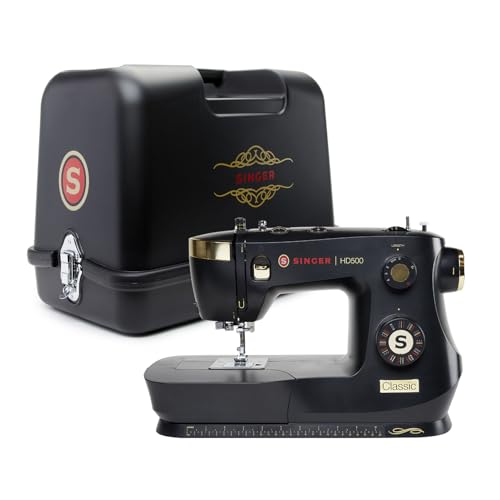
These toys often feature a beautifully crafted metal body, often adorned with intricate decals and paintwork. The attention to detail in design makes them visually appealing.
Functionality
Many vintage Singer sewing machine toys are functional, allowing children to actually sew fabric together. This hands-on experience can inspire a love for sewing from a young age.
Size and Portability
Typically, these toys are compact and lightweight, making them easy to handle for little hands. Their portability allows children to carry them anywhere, promoting imaginative play.
Collecting Vintage Singer Sewing Machine Toys
Collecting vintage Singer sewing machine toys can be a rewarding hobby. Here are some tips for both novice and experienced collectors:
Identifying Authentic Vintage Models
To ensure you are collecting genuine vintage pieces, familiarize yourself with the different models produced by Singer. Some characteristics of authentic toys include:
- Brand markings: Look for the Singer logo and model number.
- Material: Most vintage toys are made of metal, while modern replicas may be plastic.
- Age: Research the production years of specific models to determine authenticity.
Where to Find Vintage Singer Sewing Machine Toys
These toys can be found in various places, including:
- Antique shops and flea markets
- Online marketplaces like eBay and Etsy
- Specialty toy and sewing machine auctions
Assessing Value
The value of vintage Singer sewing machine toys can vary widely based on several factors, including condition, rarity, and demand. To assess the value:
| Factor | Impact on Value |
|---|---|
| Condition | Excellent condition with minimal wear typically increases value. |
| Rarity | Limited production models or those with unique features may be more valuable. |
| Provenance | Documentation of ownership history can enhance value. |
Preserving Your Vintage Singer Sewing Machine Toy
Once you have acquired vintage Singer sewing machine toys, proper care and preservation are essential to maintain their condition and value. Here are some tips:
Cleaning and Maintenance
Regular cleaning will help preserve the toy’s appearance. Use a soft, dry cloth to remove dust. Avoid harsh chemicals that can damage the paint or decals.
Storage Tips
Store your vintage toys in a cool, dry place away from direct sunlight to prevent fading and deterioration. Using display cases can also protect them from dust and accidental damage.
Restoration Considerations
If your vintage Singer sewing machine toy requires restoration, consider consulting a professional to maintain the toy’s integrity and value. DIY restoration can sometimes decrease collectible value if not done correctly.
A: Look for brand markings, verify the material, and research production years to ensure authenticity.
A: Not all vintage toys are designed to function; some are purely decorative. Check the model specifications if you want a functional piece.
A: Use a soft, dry cloth for dusting; avoid chemicals. For deeper cleaning, consult a professional.
A: Look online on antique toy websites, sewing machine part suppliers, or at local antique shops specializing in vintage items.
Conclusion
Vintage Singer sewing machine toys represent a unique blend of nostalgia, artistry, and functional design. Whether you are a collector, a sewing enthusiast, or simply someone who appreciates the beauty of vintage toys, these miniature machines offer a glimpse into the rich history of sewing. By understanding their features, history, and preservation techniques, you can cherish these toys for years to come. Remember, whether you are interested in collecting or just starting in the world of sewing, the charm of a vintage Singer sewing machine toy is unmatched. So, explore, collect, and enjoy the timeless art of sewing!