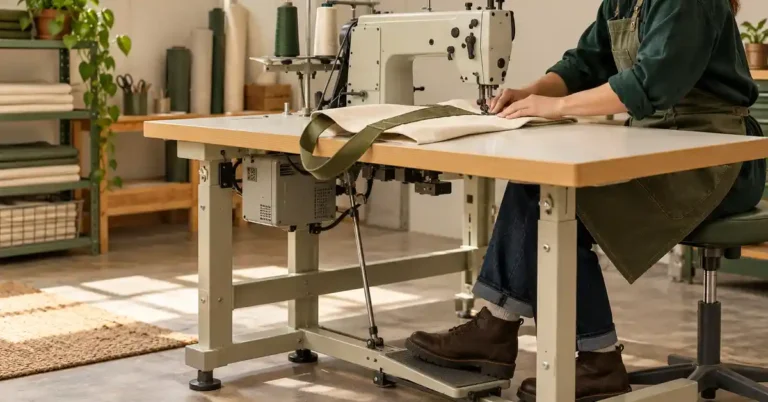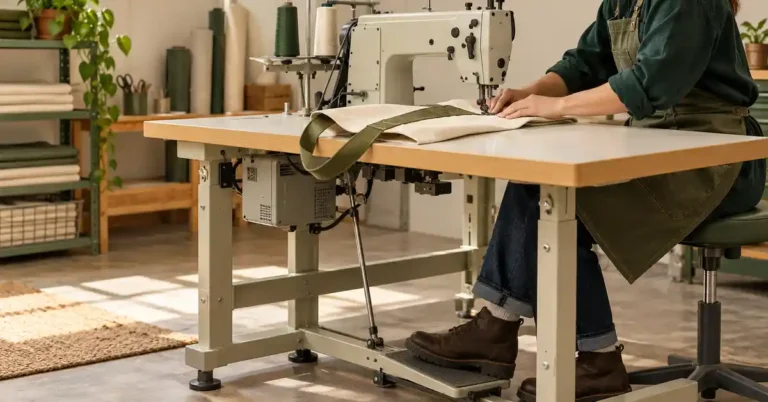
In the world of sewing, serger machines represent a unique and essential tool for both hobbyists and professionals alike. Often regarded as the unsung heroes of the sewing room, these machines provide capabilities that regular sewing machines cannot replicate. Understanding what serger sewing machines are used for can help you elevate your sewing projects to a new level, whether you’re working on garments, home decor, or crafts.
What is a Serger Sewing Machine?
A serger sewing machine, also known as an overlock machine, is designed to sew seams and finish edges simultaneously. Unlike traditional sewing machines, which use a single needle and thread, sergers typically utilize multiple threads (often three or four) to create a strong, stretchy seam. This makes them particularly well-suited for knits, jerseys, and other stretchy fabrics.
How Do Sergers Work?
Sergers operate using a combination of loopers and needles to create an overlock stitch. The machine feeds fabric at high speed, enabling it to trim excess fabric while simultaneously stitching the edges together. This process not only secures the seam but also prevents fraying, providing a clean and polished finish.
Common Uses for Sergers
Sergers are incredibly versatile and can be used for a variety of sewing projects, including:
- Finishing Seams: Sergers are ideal for finishing seams on woven and knit fabrics, giving garments a professional look.
- Sewing Knits: The stretchability of serger stitches makes them perfect for sewing stretchy materials without breaking the thread.
- Creating Ruffles: Sergers can easily gather fabric, allowing you to create beautiful ruffles for dresses or home decor items.
- Quilting: Use a serger to join quilt pieces quickly while finishing edges at the same time.
- Home Decor: Sergers can be used for sewing curtains, tablecloths, and other projects that require clean seams.
1. Finishing Seams
One of the primary uses of a serger is to finish seams on fabrics, preventing fraying and extending the life of your garments. The overlock stitch encloses the raw edge, making it ideal for high-stress areas such as armholes and side seams.
2. Sewing Knits
When working with knit fabrics, a serger excels due to its ability to stretch with the fabric. Regular sewing machines can cause seams to break when the fabric is pulled, but a serger’s stitches remain intact, making it the go-to choice for t-shirts, leggings, and other stretchy garments.
3. Creating Ruffles
Creating ruffles is effortless with a serger. By adjusting the tension and stitch length, you can gather fabric quickly, enhancing your projects with beautiful embellishments.
4. Quilting
While traditional sewing machines are typically used for quilting, sergers can also play a significant role. They can quickly assemble quilt blocks and finish edges, saving you time in the quilting process.
5. Home Decor
For home decor projects like curtains or table linens, a serger can create clean, professional seams that enhance the overall look of your items.
Benefits of Using a Serger
Investing in a serger can bring numerous advantages to your sewing toolkit. Here are some key benefits:
- Speed: Sergers sew much faster than traditional sewing machines, allowing you to complete projects in record time.
- Professional Finishes: The stitches created by sergers provide a clean and polished look, similar to what you’d find in ready-to-wear clothing.
- Versatility: From knits to wovens, sergers can handle a variety of fabrics and techniques, making them a great addition to any sewing room.
- Ease of Use: Once you learn the threading process, using a serger is straightforward and intuitive, even for beginners.
Serger vs. Sewing Machine
While both sergers and traditional sewing machines have their place in the sewing world, they serve different purposes. Here’s a comparison to help clarify their roles:
| Feature | Sergers | Sewing Machines |
|---|---|---|
| Stitching Capability | Overlock and cover stitch | Straight stitch, zigzag, and decorative stitches |
| Speed | Very fast | Moderate speed |
| Fabric Handling | Great for knits and wovens | Best for all types of fabrics |
| Finishing Edges | Excellent | Poor |
| Price | Generally lower to moderate | Varies widely |
As you can see, while sewing machines are more versatile in terms of the types of stitches they can create, sergers excel in finishing edges and handling stretchy materials efficiently.
A: While a serger is excellent for many projects, it is best used in conjunction with a traditional sewing machine. Certain techniques, such as detailed embroidery or decorative stitching, are better suited for a sewing machine.
A: Threading a serger can be challenging initially due to the multiple threads involved. However, with practice and the right instructions, most users find it manageable.
A: While it’s not necessary, having a serger can significantly enhance your sewing capabilities, especially if you frequently work with knits or want to achieve professional finishes.
FAQ
In addition to the questions above, here are some more frequently asked questions related to serger sewing machines:
A: Sergers can create overlock stitches, rolled hems, flatlock stitches, and cover stitches, among others, depending on the model.
A: Yes, a serger can be used for piecing quilt blocks and finishing edges, although traditional sewing machines are often preferred for quilting due to their versatility.
A: Consider features such as the number of threads, ease of threading, adjustable stitch length, and differential feed capabilities when choosing a serger.
As you explore the world of sewing, understanding what serger sewing machines are used for can open up new possibilities for your projects. Whether you’re looking to improve the quality of your seams or speed up your sewing process, a serger can be an invaluable tool. For those interested in decorative sewing, you might also want to check out our articles on Unique Embroidery Ideas or Embroidery Patches for Clothing.
In conclusion, a serger sewing machine is a wonderful addition to any sewing toolkit. With its ability to finish seams, sew knits, and create professional-looking projects, it opens up a range of possibilities for sewists of all levels. If you’re eager to enhance your sewing skills and produce high-quality garments and projects, consider investing in a serger. Happy sewing!