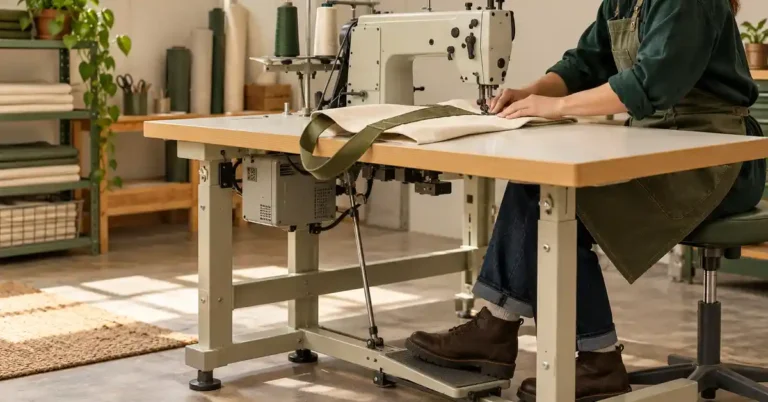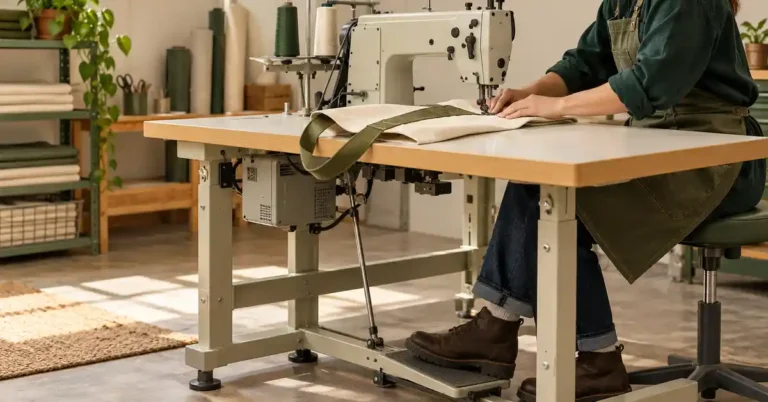
When diving into the world of textile crafts, especially sewing and embroidery, it’s crucial to understand the tools available to you. Many crafters often find themselves asking, “What’s the difference between a serger and a sewing machine?” While both are essential for different aspects of sewing, they serve distinct purposes and have unique features that cater to various sewing needs. This article will explore their differences, functionalities, and which one might be the best fit for your projects.
Key Differences Between a Serger and a Sewing Machine
Understanding the primary distinctions between a serger and a sewing machine can significantly impact your sewing experience. Here are some of the key differences:
| Feature | Sewing Machine | Sergers |
|---|---|---|
| Stitch Types | Multiple stitch options (straight, zigzag, decorative) | Primarily overlock stitches |
| Functionality | General sewing tasks | Edge finishing and seam construction |
| Threading | Typically 1-3 threads | Usually 3-5 threads |
| Speed | Moderate speed | Higher speed |
| Ease of Use | User-friendly for beginners | Can be more complex to thread and use |
Functionality of a Sewing Machine
Sewing machines are versatile tools ideal for various sewing projects. They can handle everything from basic stitching to more intricate patterns. The key functionalities of a sewing machine include:
Stitch Variety
Sewing machines come with a wide array of stitch options. From straight stitches to zigzag and decorative stitches, they allow for creativity in your projects.
Ease of Use
Many sewing machines are designed with user-friendly features, making them accessible for beginners. They often include automatic needle threading and simple stitch selection.
Projects Suited for Sewing Machines
Sewing machines are great for a variety of projects, such as:
- Clothing construction
- Quilting
- Home decor (curtains, cushions)
- Craft projects
Functionality of a Serger
Sergers, also known as overlock machines, are specialized tools designed for finishing edges and creating seams that prevent fraying. Here’s what you need to know about their functionalities:
Overlocking Capability
Sergers can trim and finish the edges of fabric in one step, creating a clean, professional look. They use multiple threads to create a secure seam that stretches with the fabric.
Speed and Efficiency
Sergers operate at high speeds, making them efficient for projects that require a lot of seams or finishing.
Projects Suited for Sergers
Sergers are excellent for projects that require durability and a professional finish, such as:
- Knits and stretchy fabrics
- Activewear
- Home textiles
- Costumes and garments with intricate seams
When to Use a Sewing Machine vs. a Serger
Choosing whether to use a sewing machine or a serger depends on the specific requirements of your project. Here’s a breakdown:
When to Use a Sewing Machine
Opt for a sewing machine when:
- You need to create varied stitch types for embellishments.
- Your project involves detailed sewing, like quilting or crafting.
- You are working with delicate fabrics that require precise stitching.
When to Use a Serger
Choose a serger when:
- You need to finish edges quickly and professionally.
- Your project involves stretchy fabrics that need resilient seams.
- You are working on bulk projects, like making multiple garments.
Cost Considerations
When considering the investment in sewing tools, cost is an important factor. Here’s how the prices typically compare:
| Type of Machine | Price Range |
|---|---|
| Sewing Machine | $100 – $1,500+ |
| Sergers | $200 – $2,500+ |
Prices can vary significantly based on brands, features, and capabilities. Investing in a quality machine can enhance your sewing experience.
Maintenance and Care
Both sewing machines and sergers require regular maintenance to keep them running smoothly. Here are some tips for each:
Maintaining a Sewing Machine
- Regularly clean the bobbin area and feed dogs to prevent dust buildup.
- Oil the machine according to the manufacturer’s instructions.
- Change needles frequently, especially when working with different fabrics.
Maintaining a Serger
- Clean the cutting area and threading paths regularly.
- Check and replace blades as needed for optimal cutting.
- Keep an eye on thread tension and adjust as necessary.
A: While sergers are great for finishing edges and creating seams, they cannot replace a sewing machine for tasks that require varied stitch types or detailed sewing.
A: Yes, if you’re serious about sewing, having both machines allows you to take advantage of their unique capabilities, making your sewing projects more efficient and professional.
A: Some sewing machines offer overlock features, but they may not perform as well as dedicated sergers. It’s best to consider your specific needs before making a decision.
FAQ
A: The primary function of a serger is to finish seams and edges, providing a clean and professional look while preventing fabric from fraying.
A: No, buttonholes and other intricate stitching tasks are best handled by a sewing machine.
A: If you’re just starting, a good sewing machine is more versatile and easier to learn on. You can consider investing in a serger later as your skills develop.
In conclusion, understanding the differences between a serger and a sewing machine can help you make informed decisions about your sewing projects. Each tool has its strengths and serves different purposes, making them valuable assets in any crafter’s toolkit. Whether you choose to invest in one or both, mastering these machines will open up a world of creative possibilities in sewing and embroidery.
For those looking to explore more about sewing and embroidery, check out our reviews of fantastic products like the Charming Blue Dress with Elegant White Embroidery or discover the joy of working with Robison Anton Rayon Thread. Dive into the captivating world of Antique Chinese Silk Embroidery or learn about the best Machine Embroidery Digitizing Services. Explore creative kits with Embroidery & Crewel Kits that you’ll love!