The best sewing machine for quilt piecing helps you repeat an accurate seam without making every small unit difficult to handle. A decorative stitch menu contributes little if feeding, visibility, or seam guidance frustrates you. This guide compares a dedicated straight-stitch option with two general-purpose machines, then explains how to evaluate quarter-inch seams, fabric preparation, pressing, and practical controls before choosing the next machine for your patchwork projects at home.
As an Amazon Associate, Practical Textile earns from qualifying purchases. We may earn a commission through the product links below.
Quick Answer: Which Machine Fits Quilt Piecing?
Compare the Brother PQ1600S for a dedicated straight-stitch station, the Brother XR9550 for a versatile computerized sewing room, and the Singer 4423 for a mechanical home-sewing workflow. The best choice is the one on which you can establish and repeat the seam allowance your pattern requires. Do not assume that a quarter-inch foot alone guarantees accurate finished units.
This is a research-based shortlist. We have not measured the machines’ seam accuracy, feeding consistency, or performance on identical quilt blocks.
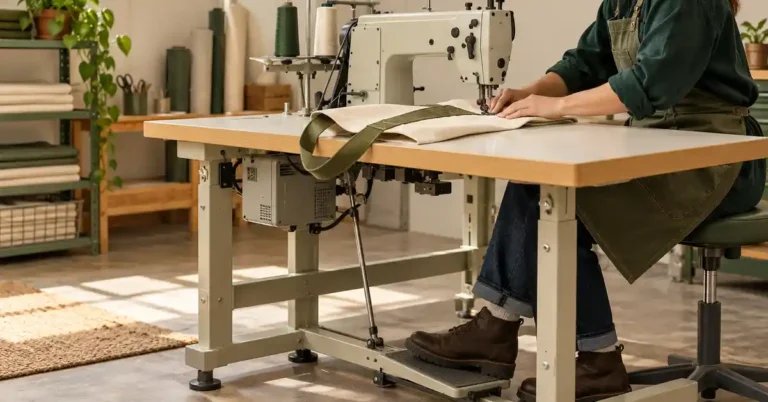
Brother PQ1600S

A specialist to compare when straight seams dominate and another machine covers other stitches.
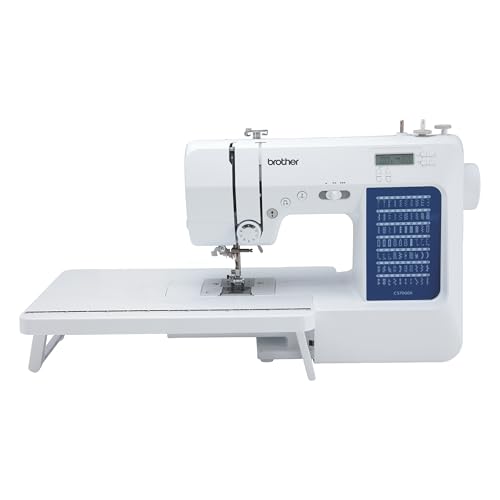
Brother XR9550
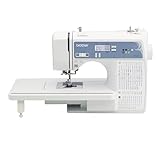
Compare it when patchwork shares the sewing table with garments and repairs.
Singer Heavy Duty 4423
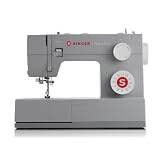
Evaluate guide compatibility, foot choice, and pedal feel rather than the branding.
What Actually Determines Quilt-Piecing Accuracy?
Piecing accuracy is a system. Cutting, seam allowance, thread, fabric handling, pressing, and measurement all contribute. A machine can help you repeat a chosen setup, but it cannot automatically correct fabric cut at the wrong size or a block stretched during handling.
Start by identifying the problem in your current work. If units consistently finish too small, investigate seam allowance and pressing. If the beginning of a seam becomes distorted, examine how small pieces enter the feed area. If intersections shift, look at alignment and handling before deciding that an entirely different machine is required.
This makes a representative sample central to the purchase. Bring the fabric and the type of unit you actually piece. A long straight seam in an easy fabric can show normal operation without revealing how comfortable the machine is on small patchwork components.
Compare the Three Sewing Roles
| Model | Main role | Why investigate it? | Main compromise |
|---|---|---|---|
| PQ1600S | Dedicated straight stitching | Focused controls and piecing-related accessories | No general zigzag or buttonhole functions. |
| XR9550 | Computerized home sewing | Speed limitation and versatility beyond patchwork | Verify the specific quarter-inch guide or foot you want. |
| 4423 | Mechanical home sewing | Direct controls for a mixed household workload | Pedal feel and compatible accessories deserve checking. |
This table does not rank measured seam quality. It separates the choice of a specialist from the choice of one versatile machine. Keep the rest of your sewing routine in view so a purchase that helps patchwork does not remove a function you still need for clothes or repairs.
Brother PQ1600S Review: A Focused Straight-Stitch Option


The PQ1600S is a dedicated straight-stitch machine with published controls including thread cutting and a knee lifter. Brother’s listed US package includes a quarter-inch foot. Verify the exact offer rather than assuming every used or differently bundled machine contains the same equipment.
For repeated piecing, a focused station can make sense when you already know which operations it will handle. You can keep the relevant foot and guide arrangement ready instead of converting a general machine between several jobs. That is a workflow advantage to evaluate, not evidence that every seam will automatically be more accurate.
Try small units as well as long strips. Check your view of the edge and needle, the way the fabric begins feeding, and how easily you stop at a chosen point. Confirm the seam allowance through a pressed sample rather than relying on the marking on an accessory.
The limitation is specialization. You still need another suitable solution for zigzag, buttonholes, and other stitches. A dedicated piecing machine is often easier to justify beside an existing versatile unit than as an unexamined replacement for the whole sewing room.
Brother XR9550 Review: Piecing Plus Everyday Sewing
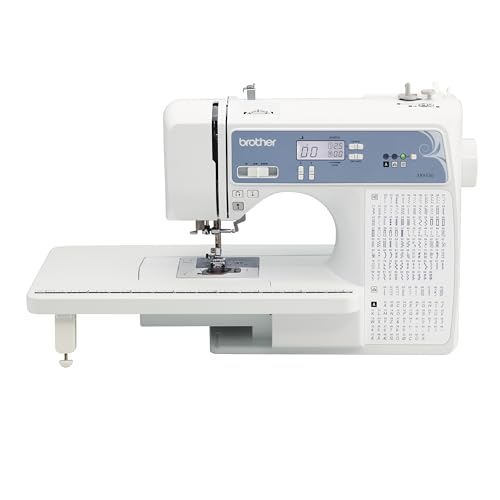
The XR9550 offers a versatile computerized home-sewing workflow with a speed-control slider and included wide table. Those functions may be relevant to piecing when you want a manageable pace and external fabric support. The large advertised stitch total is less central to joining ordinary patchwork seams.
Check the exact piecing foot or guide you intend to use. A listed quilting foot does not automatically mean a quarter-inch piecing foot: a spring-action free-motion foot has a different purpose. Confirm part compatibility and needle clearance before trying a newly purchased accessory.
The broader sewing functions can matter if the machine must also handle clothes, household projects, and repairs. Buying a versatile unit may be more practical than dedicating the whole budget to straight stitching. Compare the controls you will use every week instead of paying mainly for decorative patterns.
Our Brother sewing machine guide explains the roles within this shortlist. Choose the machine around how you work rather than assuming the quilting label covers every piecing accessory and technique.
Singer 4423 Review: A Mechanical Sewing Alternative
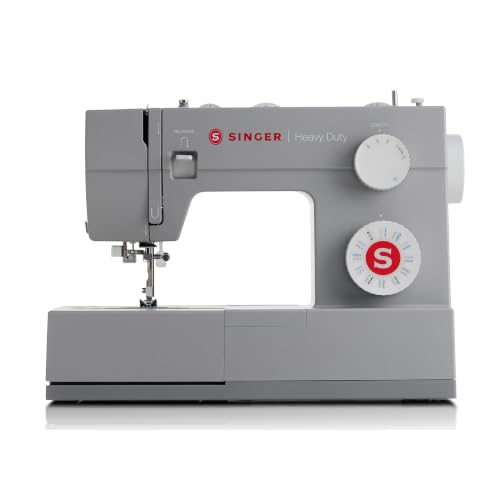
The Singer 4423 belongs in this comparison when you prefer mechanical household sewing. Its ordinary straight-stitch workflow can be evaluated for patchwork, with an appropriate compatible foot or guide. Do not treat the Heavy Duty name as a specification for piecing accuracy.
Try the foot controller and assess whether a comfortable pace is easy to maintain. The standard model does not provide an independent maximum-speed slider. A high advertised speed is not the reason to buy for small patchwork units if your main need is careful alignment and controlled starts.
Check the total cost of the setup you need. A foot, guide, external support, or improved table arrangement may be relevant, but none should be purchased without confirming compatibility. Do not assume accessories from a related model fit merely because the machines look similar.
For a broader review, read our Singer 4423 buying guide. Our Singer 4432 review provides another mechanical comparison if you also want additional patterns for work beyond piecing.
How to Establish a Reliable Quarter-Inch Seam
Use a completed sample rather than a visual guess
Follow the seam allowance your pattern specifies. For a common quarter-inch piecing setup, sew accurate test strips with the intended thread, press the sample using your normal method, and measure the resulting unit. If it does not finish correctly, investigate the cutting and pressing as well as the needle-to-guide relationship.
A foot marked quarter inch is a useful reference, but the result still depends on how you guide the edge and how the seam is pressed. Do not assume the accessory label removes the need for calibration. Keep the successful test unit and notes so the setup can be reproduced after the machine is used for another project.
Understand a scant seam allowance
Some patterns or techniques call for a scant quarter-inch seam, accounting for the way thread and pressed fabric affect the finished measurement. That does not mean sewing an arbitrary smaller allowance everywhere. Follow the pattern or technique and verify the completed unit before repeating the setup across a whole quilt.
Make adjustments in controlled steps. Change the guide or permitted needle position as appropriate to the machine and foot, then retest. Always verify needle clearance when an accessory has a narrow opening. A useful seam setting is one that works safely and produces the intended finished size.
Small Pieces, Chain Piecing, and Intersections
Support the beginning of the seam
Small fabric pieces can be harder to control at the start than a long strip. Use the model’s recommended starting method and consider a suitable scrap leader where appropriate to the technique. The goal is a clean beginning without pulling the work or pushing it into the needle area.
For chain piecing, organize units in the correct order before starting. Mark orientation when similar pieces can be reversed accidentally. Efficiency comes from a repeatable sequence that preserves alignment, not merely from sewing as quickly as possible.
Control intersections without forcing the feed
Check how seam allowances are arranged before sewing across a crossing. Keep the work aligned and remove pins before the needle reaches them. A thick intersection deserves slower handling and a suitable setup rather than a sudden increase in pedal pressure.
If layers shift, investigate preparation, alignment, and the relevant feeding arrangement. A compatible accessory may help a diagnosed problem, but it cannot correct pieces that were inaccurately cut or stretched out of shape. Test the method on the same fabric arrangement before making a whole group of blocks.
Cutting, Pressing, and Measurement Are Part of the Machine Decision
Use an accurate cutting method and check that ruler markings are read consistently. Small differences repeat across many pieces. When a unit finishes incorrectly, examine where the error entered rather than adjusting the machine to compensate for every unrelated variation.
Press according to the pattern or technique without stretching the fabric unnecessarily. Dragging an iron across a small unit can distort it, especially when bias edges are involved. Let the sample settle and measure in the same way you will assess the finished blocks.
Keep the sewing and pressing stations organized so the work moves between them without losing orientation. Good lighting, a stable machine surface, and clear labels can prevent errors that an expensive machine cannot detect. Consider those practical improvements before spending the whole budget on a feature list.
For other machine categories, our Janome sewing comparison and Singer 4452 review offer additional controls and accessory questions to evaluate against your routine.
Advantages and Tradeoffs of This Shortlist
Useful strengths
- It distinguishes a dedicated piecing station from a versatile machine.
- It puts repeatable seam setup ahead of decorative stitch totals.
- It includes computerized and mechanical control approaches.
- The general-purpose choices retain functions for other household sewing.
- The specialist can be assessed beside an existing machine.
Important tradeoffs
- No accessory or model label guarantees correctly sized finished blocks.
- A straight-stitch specialist cannot replace every garment-sewing function.
Buying Checklist for Quilt Piecing
- Bring a representative unit and the fabric you actually use to a demonstration.
- Test the complete seam, press it, and measure the result.
- Verify the exact foot, guide, and permitted needle positions.
- Try small starts and intersections rather than only a long flat seam.
- Assess speed control, visibility, lighting, and table support.
- Confirm included equipment, electrical suitability, service, and returns.
- For a used unit, request relevant sewing evidence and check missing-part costs.
Check the current offer rather than relying on a historical price. A bundle is useful when the included accessories suit your exact machine and projects. Unneeded extras do not establish better value, and a missing controller or required foot can change the real cost of a used purchase.
Frequently Asked Questions
Do I need a dedicated quilting machine for piecing?
Not automatically. A suitable general-purpose machine can perform ordinary piecing, while a straight-stitch specialist may suit a dedicated station. Compare the controls, seam setup, and other sewing functions you need.
Does a quarter-inch foot guarantee accurate blocks?
No. Cutting, guiding, thread, pressing, and measurement also affect the finished size. Test the setup with a complete pressed unit rather than relying only on the marking on the foot.
Is more stitch variety useful for quilt piecing?
Ordinary piecing relies primarily on a suitable straight seam. Extra patterns may help other projects or decorative techniques, but they do not automatically improve seam accuracy. Buy for the whole sewing routine without confusing those roles.
Should I use a scant quarter-inch seam?
Use the seam allowance required by the pattern or technique and verify the finished unit. A scant allowance is a deliberate calibrated setup, not an instruction to make every seam arbitrarily narrower.
Why are my pieced units finishing too small?
Check cutting accuracy, seam allowance, pressing, and measurement method. Work with a test unit and change one variable at a time. The machine may contribute, but it is only one part of the process.
Final Recommendation
Investigate the PQ1600S when a dedicated straight-stitch station fits the room and workload. Compare the XR9550 for versatile computerized sewing, and the 4423 when mechanical operation is the preference.
The strongest buying evidence is a safely repeatable setup that produces the intended finished unit. Establish that seam, support the fabric, and choose around the projects you want to complete rather than the largest stitch menu.