The best sewing machine for garment sewing should match your fabrics, construction methods, and preferred controls. A dressmaker working with cotton shirts needs a different buying checklist from someone making stretch activewear or structured coats. This guide compares versatile household choices and explains buttonholes, seam finishing, pressing, fit, and fabric handling so you can select a useful machine without paying for features that contribute little to your actual sewing projects.
As an Amazon Associate, Practical Textile earns from qualifying purchases. Product links may earn us a commission.
Quick Answer
Compare the Brother XR9550 for versatile computerized garment work, the Singer 4423 for mechanical operation with adjustable foot pressure, and the Janome Memory Craft 9850 only when embroidery also has a clear place in your plans. None eliminates the need for correct fabric preparation, fitting, or suitable seam finishing. Buy for recurring operations, not the highest stitch count.
This guide compares published specifications and project fit; it does not report hands-on testing.
Brother XR9550
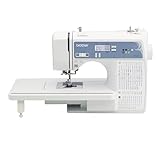
A computerized option for varied household construction and buttonholes.
Singer Heavy Duty 4423
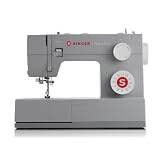
Compare pressure adjustment and pedal control on representative garment fabric.
Janome Memory Craft 9850
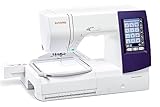
A combination model when garment decoration justifies the added equipment role.
Choose by Garment Construction, Not Decorative Stitch Totals
A useful dressmaking machine supports the operations you repeat: accurate seams, curves, closures, edge finishing, and hems. It should also feel controllable when approaching a collar point or stopping at the end of a dart. These practical tasks reveal more about suitability than a demonstration of dozens of decorative patterns on an easy rectangular sample.
List three garments you actually intend to make. For each one, note the fabric, thickest seam, closure, and preferred hem. A cotton shirt may emphasize buttonholes and neat topstitching. A jersey dress needs elastic seams and a hem that will survive normal movement. A lined jacket adds bulk and handling requirements that cannot be predicted simply by looking at the outer fabric alone.
| Machine | Useful garment role | Check before choosing |
|---|---|---|
| Brother XR9550 | Mixed computerized home dressmaking | Actual fabric feeding, feet, and buttonhole samples |
| Singer 4423 | Mechanical sewing with pressure adjustment | Comfortable low-speed control and complete seam stack |
| Janome MC9850 | Garments plus programmed embroidery | Whether embroidery justifies cost, space, and workflow |
Brother XR9550: Versatility for an Everyday Sewing Room
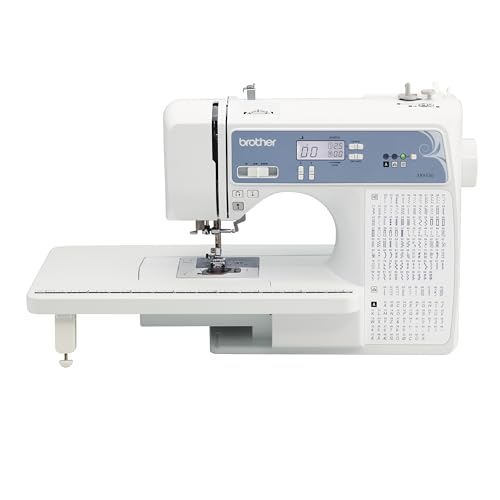

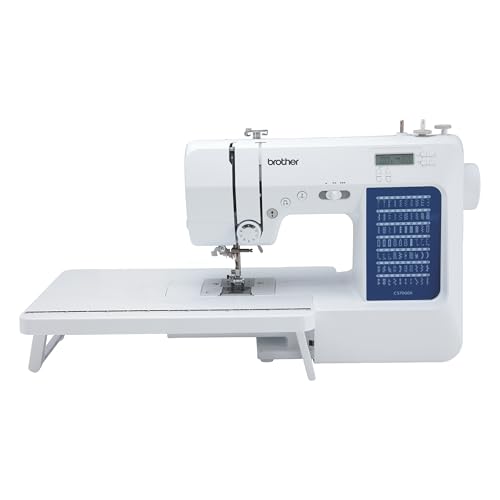
The Brother XR9550 is a sensible comparison point when you want one household machine for several kinds of clothing. Its computerized interface, speed slider, and selection of utility stitches support a varied workload. That does not guarantee that every fabric will sew beautifully without adjustment; the benefit is having appropriate controls and stitch choices available while you learn a consistent setup.
Brother lists 165 stitch selections, including 55 alphanumeric selections, and eight one-step buttonhole styles. The alphanumeric count should not be confused with automatic hoop embroidery. Sewing a character with the feed dogs is a different process from importing an embroidery design and having a hooped garment follow its programmed path. Choose a combination embroidery model only if you need that separate capability.
The included wide table can be useful when fabric would otherwise drag from the machine, although it is not necessary for every clothing operation. A sleeve or narrow opening may be easier with free-arm access or another handling method. Take off accessories when they obstruct the task, and confirm that the rest of the garment remains clear of the needle before stitching.
This machine deserves consideration for shirts, simple dresses, skirts, and household alterations within its operating limits. For a broader view of the brand’s different machine roles, use our Brother sewing machine comparison. Do not infer that every model in the range shares identical feet or adjustments.
Singer Heavy Duty 4423: A Mechanical Alternative
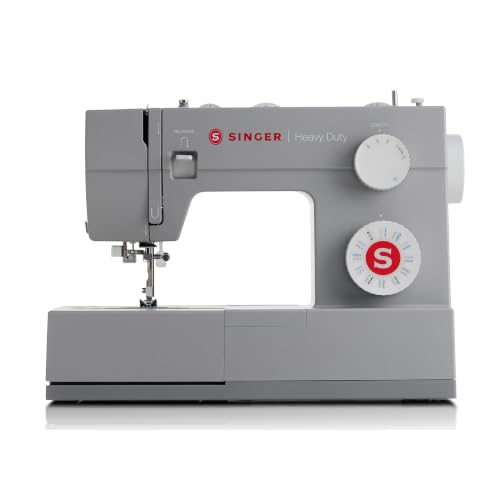
The Singer 4423 suits buyers who prefer selecting stitches with mechanical controls and want adjustable presser-foot pressure. That adjustment is relevant when evaluating fabric handling, but it is one part of the setup. The needle, thread, presser foot, stitch, and operator handling still determine whether a particular seam behaves acceptably.
Singer specifies 23 built-in stitches and a one-step buttonhole. Marketing references to 97 stitch applications describe uses of the available stitches rather than 97 separate patterns. For garment work, look at whether the machine supplies the utility operations you need. A controlled straight seam and a satisfactory buttonhole sample can be more useful than decorative functions that never appear in your projects.
There is no independent computerized speed slider on this model. If you are learning to sew curves or precise topstitching, evaluate the pedal response rather than buying mainly on advertised maximum speed. A demonstration should include slow starting, stopping at a marked point, and sewing across the kind of seam intersection your garments will contain.
Our Singer 4423 review considers the broader model role. You can also compare the Singer 4432 if additional stitch selection is relevant. More stitches do not automatically expand the maximum safe thickness or make either domestic model equivalent to an industrial garment machine.
Janome Memory Craft 9850: When Decoration Is Part of the Plan
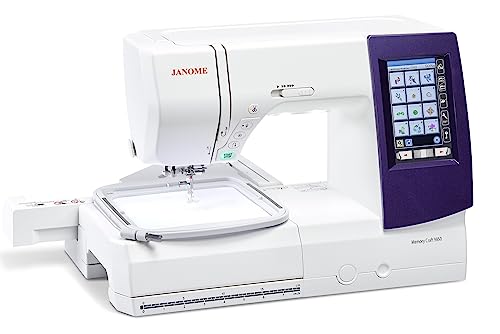
The Janome Memory Craft 9850 combines ordinary sewing with hoop embroidery. Its sewing features include 200 built-in stitches, six one-step buttonholes, adjustable presser-foot pressure, and a thread cutter. Its embroidery field is approximately 6.7 by 7.9 inches. That field size concerns programmed embroidery, not the maximum size of a garment you can sew conventionally.
Consider the model if you expect to add embroidered panels, monograms, or other compatible designs to clothing regularly. Embroidery introduces additional preparation: stabilizer, hooping or approved securing methods, file compatibility, and placement. A combination machine lets one machine perform two roles, but you still change the setup and cannot assume both operations happen simultaneously.
If your immediate goal is learning construction and fit, the embroidery system may be unnecessary. Its presence does not solve an inaccurate pattern, poorly pressed seam, or unsuitable fabric choice. Compare the price and workspace against the value of actual embroidery projects rather than buying the extra capability because it sounds more advanced.
Our Janome sewing and embroidery guide explains that equipment distinction. A general Janome comparison is useful if you prefer the brand but do not need a combination model.
Reasons to Compare These Options
- They represent distinct control preferences rather than interchangeable marketing labels.
- The general-purpose choices include utility sewing and buttonhole capability.
- Computerized controls can support deliberate pace and consistent operation.
- Adjustable pressure is available on the mechanical Singer and combination Janome.
- The embroidery option has a clear additional purpose for decorated garments.
Limitations to Keep in View
- Domestic machine features do not guarantee suitability for every thick or technical material.
- Combination embroidery adds setup and cost that plain garment construction may not require.
Evaluate the Fabric and the Complete Seam Stack
A fabric name is not enough to establish suitability. Lightweight denim, dense workwear denim, stretch denim, and multiple folded denim layers present different demands. The same applies to linen, satin, and jersey. Obtain a representative sample and reproduce the thickest seam, including interfacing or lining where the real garment uses it.
Use the needle system and sizes permitted by the machine manual, then choose a point and thread appropriate to the material. A larger needle is not a universal solution for skipped stitches. It can leave visible damage in delicate fabric or remain unsuitable for the thread. Our Brother needle guide provides background without replacing model-specific instructions.
Test seam quality on both faces. Check for puckering, unreliable feeding, needle damage, and stitches that fail under realistic handling. Stop if the machine strains or the layers cannot pass normally. These observations are a better basis for choosing equipment than promises that a machine can sew an unspecified number of layers.
Buttonholes, Zippers, and Accurate Closures
A one-step buttonhole is convenient, but its result still depends on preparation. Test with the actual button, interfacing, and fabric stack. Allow enough space for the closure position, and inspect the density and length before opening the buttonhole. A successful result on plain scrap does not guarantee the same result over an unusually thick seam or a poorly stabilized placket.
Check which zipper feet are supplied and which compatible accessories a particular construction requires. A regular zipper foot and an invisible-zipper foot are different tools. The machine does not determine zipper placement for you; accurate marking, basting, and pressing establish the construction. Sewing too close to unsuitable hardware can damage a needle and the garment.
For repeat shirts, make a sample placket before cutting into expensive fabric. Check buttonhole spacing while considering the wearer’s movement and the garment’s overlap. An attractive stitch pattern is of little value if the closure gapes or lands on a bulky intersection that the chosen setup cannot handle consistently.
Knit Garments Need Flexible Seams
Stretch fabric deserves its own test rather than the settings that worked on a woven shirt. Determine the seam’s required extension and choose a suitable stitch. A conventional straight seam may break if it must stretch beyond its capacity. Test normal movement and dressing demands on the sample before constructing the garment.
Support the material and let the machine feed it. Pulling behind the needle can stretch the seam, distort the garment, and interfere with stitch formation. Where the model offers pressure adjustment, use the manual’s guidance and evaluate the result. Do not describe a pressure adjustment as differential feed; those are different mechanisms.
A serger can be a useful companion for particular knit seams and raw-edge finishing. A coverstitch machine serves another role, commonly associated with flexible hems and visible parallel rows. Neither term describes a stitch that automatically appears because a household machine has many decorative options. Decide whether another machine is justified by the projects you repeat.
The Machine Cannot Replace Fitting and Pressing
Fit changes begin before final seams. Compare the pattern measurements with the wearer and account for the intended ease and fabric behavior. For an unfamiliar pattern, a suitable test garment can reveal adjustments before you commit the final material. Accurate stitching will reproduce a poor fit just as consistently as a good one.
Pressing is a construction step, not only a final cosmetic treatment. Set and shape seams according to the material’s care limits, testing heat and moisture on scrap first. Pressing curved areas over an appropriate form can preserve shape that would be flattened by indiscriminate ironing. Avoid dragging the fabric while trying to correct a distorted seam.
Keep fitting changes separate from machine troubleshooting. A twisted sleeve may come from assembly or fabric alignment rather than tension. Puckering may involve handling, needle choice, or stitch settings. Work through the likely cause systematically instead of changing several controls at once and losing track of what improved the result.
A Better Demonstration and Buying Checklist
Bring two fabric samples: the material you use most often and the most demanding construction you reasonably expect to sew. Ask to see a straight seam, a relevant buttonhole, a curve, and the thickest intersection. Include reverse stitching and stopping at a marked location. Inspect the samples away from the excitement of the machine demonstration.
Evaluate visibility, working posture, threading, accessory changes, and the feel of the controls. Consider local service, parts access, and the exact seller’s warranty terms. A machine that is pleasant to use and maintain may be a better long-term fit than a model with a larger feature list but awkward everyday operation.
Budget for a stable surface, good task lighting, suitable needles and thread, pressing equipment, and essential cutting tools. These items directly affect the finished garment. Our computerized versus mechanical guide can help narrow operating preferences without treating either control system as automatically superior.
Frequently Asked Questions
How many stitches do I need for making clothes?
There is no useful universal minimum beyond the operations your garments require. Straight stitching, appropriate stretch or zigzag options, and a suitable buttonhole often matter more than a large decorative menu. Review your patterns and seam finishes first.
Do I need a serger before sewing my first garment?
No. Many woven garments can be constructed and finished using suitable household-machine methods. A serger can improve particular workflows later, especially for repeated edge finishing or knit construction, but it does not replace every sewing operation.
Is a heavy-duty domestic machine automatically best for coats?
No. The actual folded layers, lining, interfacing, and closures determine the demand. Test the complete construction and stop if the machine cannot feed it normally. A marketing label does not establish an unlimited thickness rating.
Should beginners buy an embroidery combination machine?
Only when embroidery is a clear part of the planned work and the additional cost and learning are acceptable. A simpler general-purpose machine may be sufficient for learning fit, seams, closures, and garment construction.
Which of these models should I compare first?
Start with the XR9550 for a varied computerized household role or the 4423 if you prefer mechanical controls. Add the MC9850 to the shortlist when its embroidery capability has a specific, recurring purpose in your sewing plans.
Final Recommendation
Choose the machine that handles your real fabric samples and lets you sew the required operations comfortably. The XR9550 and 4423 offer different approaches to everyday garment work; the MC9850 adds a separate embroidery role. Spend as much attention on fabric preparation, fit, and finishing as on the model choice, because those decisions determine whether a well-stitched garment is also useful and comfortable to wear.