The best sewing machine for doll clothes is usually chosen for control and fabric handling rather than a miniature appearance. Tiny sleeves, short seams, narrow hems, and small closures can challenge an otherwise straightforward project. This guide compares three household machines and explains how speed, visibility, construction order, and suitable support affect miniature garment sewing before you choose equipment for outfits, accessories, and detailed doll wardrobes made carefully at home.
As an Amazon Associate, Practical Textile earns from qualifying purchases. Product links may earn us a commission.
Quick Answer
Compare the Brother XR9550 when slow controlled sewing matters, the CS5055 for a focused computerized household machine, and the Singer 4423 when mechanical controls and pressure adjustment suit you. A regular machine can be more relevant than a toy-like miniature model. Evaluate a real small seam and follow the pattern’s construction sequence; a free arm will not fit every tiny sleeve.
This guide compares published specifications and project fit; it does not report hands-on testing.
Brother XR9550
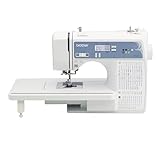
Compare the speed limit and visibility on short seams and curves.
Brother CS5055
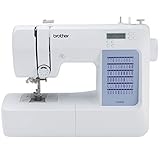
Check its utility functions against the miniature garments you make.
Singer Heavy Duty 4423
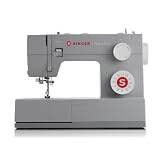
Evaluate pressure adjustment and pedal feel on small fabric samples.
Why Small Clothes Need More Than a Small Machine
Doll garments use many familiar sewing operations at a smaller scale. The challenge is controlling short edges and curves without distorting the material or catching another layer. The machine’s physical size does not tell you how well its controls suit that work.
Start with the pattern and doll size. An outfit for a larger doll and clothing for a smaller fashion doll can need different seam allowances and construction methods. Follow the actual pattern rather than treating every miniature garment as the same task.
Also distinguish an adult crafting machine from equipment intended as a toy. Choose around supported sewing functions, controllability, and service rather than assuming a miniature-looking product is automatically appropriate for detailed garment construction.
Compare Three Household Options
| Model | Reason to investigate | Useful control question | Key caution |
|---|---|---|---|
| XR9550 | Speed-controlled computerized sewing | Can you stop and restart comfortably on a short curve? | A free arm cannot fit every miniature opening. |
| CS5055 | Focused computerized selection | Does the actual utility range cover the pattern? | Check positioning and cutting controls separately. |
| 4423 | Mechanical controls and pressure adjustment | Does the pedal feel manageable during detailed work? | No independent maximum-speed slider. |
This is a suitability comparison rather than a measured miniature-sewing test. A representative tiny seam is more useful buying evidence than a long seam on a large flat panel. Try the operation that normally makes the project difficult.
Brother XR9550 Review: Controlled Small-Scale Work
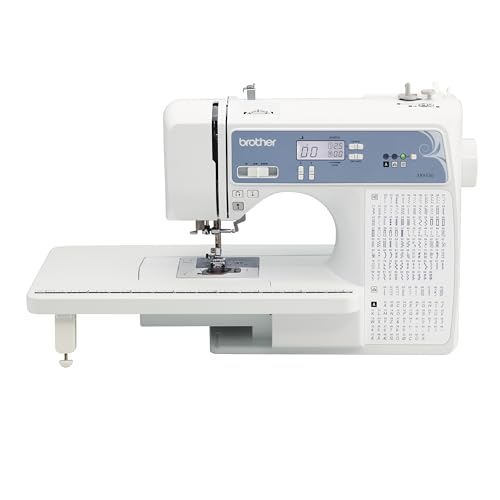

The XR9550 is a candidate when you want computerized sewing and a speed limit for careful details. Small pieces often benefit from a pace that gives you time to approach a corner or stop before the fabric edge. The control does not guide the seam for you, but it can help establish a manageable range.
Check how clearly you can see the needle and fabric edge with the intended foot. A broad decorative menu is less important than visibility and a repeatable seam allowance. Choose the actual stitch needed for the garment rather than exploring decorative choices before the construction works.
Its general sewing functions can also serve full-size household projects. That versatility may make more sense than buying an additional miniature-looking device for one hobby. Compare the controls and equipment you will use rather than the machine’s appearance beside a doll.
Our Brother sewing guide explains other machine roles. Ordinary sewing and automatic embroidery are different processes even when both could decorate a small outfit.
Brother CS5055 Review: A Focused Computerized Workflow
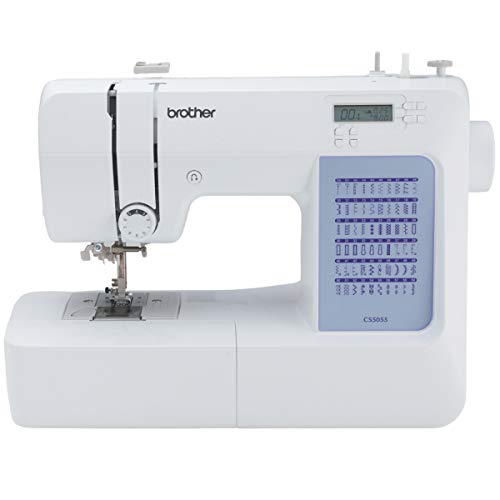
The CS5055 is worth comparing when computerized stitch selection and a focused set of utility functions fit your sewing. Check the pattern’s seam and finishing requirements against the actual chart. A small garment does not automatically require a large alphabet or decorative collection.
Verify any particular convenience you need. Computerized selection does not mean every model includes automatic cutting, a start/stop button, or memorized needle-position control. If one of those is central to the purchase, identify it explicitly rather than assuming the screen supplies it.
Try threading, bobbin access, changing a foot, and a short seam. Routine setup becomes important when a project involves many small construction changes. A manageable interface and suitable sample are more persuasive than the largest stitch count in the comparison.
For another control-category perspective, our computerized versus mechanical guide helps separate interface preferences from assumptions about overall quality.
Singer 4423 Review: A Mechanical Alternative
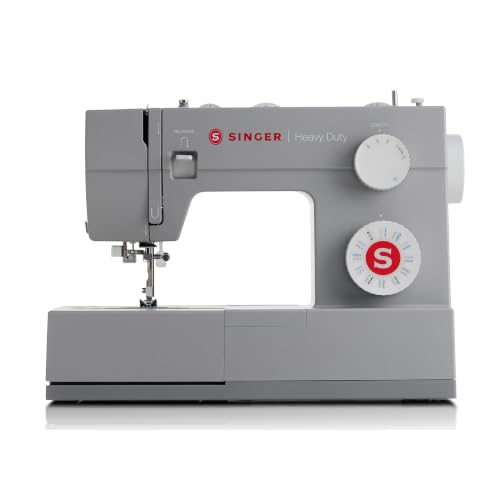
The Singer 4423 belongs on the shortlist if you prefer mechanical control and want to investigate foot-pressure adjustment for the chosen material. That control can be relevant when feeding needs adjustment, but it still requires an appropriate needle, foot, and seam setup.
Pedal feel deserves particular attention on tiny projects. The standard machine does not provide a separate speed-limit slider. Try approaching a narrow corner and restarting on a short edge rather than judging the machine only by how quickly it sews a long line.
Do not select it for doll clothes simply because it is named Heavy Duty. Fine fabric handling and visibility may matter more than a power-oriented description. The correct choice is the one that suits the small construction you actually intend.
Our Singer 4423 review gives its broader project context. The Singer 4432 guide provides another mechanical comparison if decorative options also matter.
Construction Order Can Solve a Geometry Problem
Sew accessible sections before closing tiny tubes
A finished miniature sleeve or trouser leg may be too small to fit the machine’s arm. Follow the pattern’s sequence and consider whether the hem or another operation is intended before the tube closes. A free-arm feature does not create access to every small opening.
Do not force the garment into an awkward position simply to use the machine. A different supported construction method or hand finishing may be more practical for a particular detail. The aim is a clean finished garment, not performing every stitch by machine regardless of access.
Keep seam allowances consistent
Use the allowance specified by the pattern and verify it on a sample. Small errors can become visually significant when the whole garment is tiny. Cutting accuracy, guiding, and pressing all contribute to the final size.
Mark orientation where pieces look similar. A small front, back, or sleeve section can be reversed easily during handling. Organizing the sequence before sewing can prevent mistakes that no machine feature detects.
Lightweight Fabrics, Knits, and Support
Select a suitable needle and compatible thread for the material. A needle appropriate for a dense full-size garment seam may be unsuitable for a delicate miniature piece. Follow the model’s fabric and needle guidance rather than choosing one universal setup for the entire doll wardrobe.
Thin fabric can become difficult to control near the beginning of a seam. An appropriate temporary support or starting method may help where the machine and technique instructions permit it. Test how that support is removed and whether it affects the finished garment.
For stretch outfits, test seam flexibility and recovery. A neat-looking line may still break when the garment is pulled onto the doll. Avoid stretching the material as it feeds, and assess the seam under the movement it actually needs to tolerate.
Use pressing methods appropriate to the fabric and scale. Stretching or distorting a small unit during pressing can change the fit even when the seam was accurate. A careful setup and construction sequence are more useful than trying to compensate through stitch settings alone.
Closures, Decorative Stitches, and Tiny Curves
Choose a closure the construction can support
Decide the closure method before finishing the opening. Some miniature garments use a supported stitched fastening while others call for a different attachment method. Follow the pattern and the intended use rather than assuming a full-size buttonhole is always practical.
Practice the complete closure through the actual layers. Test access and how the outfit is put on and removed. A closure that looks attractive while flat may be awkward in a tiny finished opening.
Decorate without overwhelming the scale
A decorative stitch that suits a large panel can look too large or stiff on a small garment. Sew the intended design on a sample and evaluate the proportion. Check foot and needle clearance when changing width or pattern.
If you want automatic embroidered motifs, use a machine designed for hoop embroidery and a design that fits the field. The general sewing models here do not load an arbitrary embroidery logo. Plan decoration before assembly when finished garment access will be restricted.
Small-Sample Test and Troubleshooting
- Use the actual fabric and intended seam allowance.
- Fit a suitable fresh needle and compatible thread.
- Select the correct foot and verify needle clearance.
- Practice the seam start, curve, and stopping point.
- Press appropriately and check the finished measurement.
- Test how the garment or sample fits and opens.
- Keep the successful setup with the pattern notes.
If stitching fails, recheck threading, bobbin insertion, needle condition, and fabric support before changing several settings. Change one variable at a time. Stop for repeated breakage or a jam and disconnect power as directed before clearing the needle area.
For another brand comparison, our Janome sewing guide offers additional controls and workflow questions. Choose a demonstrated improvement to the small-seam process rather than assuming another machine name will solve every handling problem.
Advantages and Tradeoffs of This Shortlist
Useful strengths
- Regular household functions remain available for other projects.
- The choices compare different control preferences.
- Speed limitation is available as a specific option.
- Pressure adjustment can be evaluated on the mechanical candidate.
- Each machine can be assessed with an actual small construction sample.
Important tradeoffs
- No free arm provides access to every miniature garment opening.
- Stitch variety cannot correct inaccurate cutting or an unsuitable construction sequence.
Buying Checklist for Doll Clothes
- Bring a representative pattern unit and fabric to a demonstration.
- Try short starts, curves, and controlled stopping.
- Check visibility and a repeatable seam allowance.
- Verify the actual convenience controls and compatible feet.
- Plan tiny-tube access before sewing the finished outfit.
- Compare condition, included equipment, electrical suitability, service, and returns.
Budget for appropriate needles, thread, practice fabric, and useful lighting rather than spending only on decorative features. A comfortable workstation and organized pattern pieces can make detailed sewing more manageable without adding another machine.
A Project Check Before You Commit
Plan the order of tiny seams before deciding that a free arm is essential. A miniature sleeve may be easier to sew while flat and close later, depending on the pattern. Practice starting and ending on matching scraps, keeping seam allowances supported. This exposes feeding and visibility problems before they damage a small garment piece that has little room for correction.
Frequently Asked Questions
Do I need a miniature machine for doll clothes?
Not automatically. A suitable regular household machine can perform many miniature garment operations. Control, visibility, fabric handling, and the construction sequence matter more than a small-looking casing.
Will a free arm fit tiny doll sleeves?
Not every opening will fit. Follow the pattern’s sequence and complete accessible operations before closing a tube where appropriate. Some details may need another supported method or hand finishing.
What stitch is best for doll clothes?
Choose according to the fabric, seam, and pattern. A woven construction seam and a stretch opening need different evaluation. Test the finished sample rather than selecting one universal stitch for every outfit.
Why does thin doll-clothes fabric get pulled down?
Investigate needle suitability, the seam-start method, correct foot, and appropriate support. Follow the model instructions and test a small sample. Pulling the fabric harder is not a useful substitute for a suitable setup.
Is speed control useful for miniature sewing?
It can help establish a manageable pace for short curves and stopping points. Try the actual controller arrangement before buying. A speed limit does not guide the seam, so careful handling and practice still matter.
Final Recommendation
Compare the XR9550 when controlled speed is a priority, the CS5055 when a focused computerized workflow is sufficient, and the 4423 when mechanical operation suits you. Evaluate a real small seam before deciding.
Choose around access, fabric, and the pattern’s construction sequence. The best doll-clothes setup helps you control tiny details while retaining practical functions for the other sewing you want to do.