Husqvarna Viking sewing machine reviews should separate the operating style and exact model before comparing stitch totals. The Emerald 116 and Onyx 30 offer different approaches to household sewing, and their features should not be mixed. This guide examines both roles, explains useful controls and count differences, and provides a practical demonstration checklist so you can compare the actual machines, packages, and support instead of buying from brand familiarity alone.
As an Amazon Associate, Practical Textile earns from qualifying purchases. Product links may earn us a commission.
Quick Answer
Compare Emerald 116 for a mechanical household interface and Onyx 30 when its computerized controls, cutter, and programming have practical value. Test the actual materials and confirm the exact package. The Amazon boxes below identify different-brand alternatives; they are not purchase links labeled as either Husqvarna Viking model.
This guide compares published specifications and project fit; it does not report hands-on testing.
Singer Heavy Duty 4423
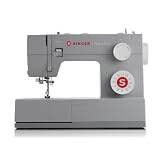
Compare an ordinary mechanical role without treating it as Emerald 116.
Singer Quantum Stylist 9960

Evaluate actual conveniences and package; it is not an Onyx listing.
Check Price on AmazonThis offer bundles the Singer 9960 with a SteamCraft Plus 2.0 iron. Other 9960 offers may not include the iron.
Juki HZL-F300
No verified Amazon offer is linked for this model; read the buying checks below.
Compare the complete station and useful controls with the same samples.
Begin With Mechanical Versus Computerized Operation
Emerald 116 and Onyx 30 belong in a comparison when you want ordinary household sewing but have not decided which control style fits you. A mechanical interface and a computerized stitch-selection system can both support useful work. Neither category automatically determines the quality of a seam on your material.
List the operations in your next projects: straight seams, curves, closures, suitable stretch sewing, quilting, or decoration. Then identify the control that would improve each one. This keeps a feature-rich model from winning only because the menu is longer.
This guide uses documented features and original buying analysis, not hands-on performance results. Verify the exact US model, condition, package, manual, and seller support. A similarly named machine in another market or an older generation may not be the same purchase.
| Area | Emerald 116 | Onyx 30 |
|---|---|---|
| Operating approach | Mechanical household sewing | Computerized household sewing |
| Count to read carefully | 16 stitches and 60 functions are different descriptions | Stitch count and count including fonts are different totals |
| Useful selection focus | Controls, reference chart, relevant utility operations | Speed control, needle positioning, cutter, programming |
| Actual result to test | Complete garment and household seam samples | The same samples plus any programmed function you need |
Emerald 116 Review: A Mechanical Household Role
The Emerald 116 is relevant to someone who prefers direct mechanical operation and needs practical utility sewing. The manufacturer describes 16 stitches, a one-step buttonhole, adjustable pressure, and a Sewing Guide Reference Chart. Its 60 stitch functions should not be counted as 60 separate built-in patterns.
The reference chart can help explain the intended starting choices for particular operations. It does not eliminate the need for a sample or make every fabric behave identically. Material, needle, thread, construction, and handling still determine whether a setup is appropriate.
Try selecting a straight stitch, changing a relevant setting, sewing toward a mark, and returning to the first setup. Note whether the controls and chart make the sequence understandable. A physical dial is useful when it supports your routine, not because a mechanical machine is inherently a better choice for every sewer.
For garment work, test a buttonhole with the actual button and interfaced layers. Inspect both sides before opening the test. A one-step mechanism is convenient, while placement, spacing, and preparation remain part of the garment-making process.
Choose the Emerald role when the available operations and controls meet the work comfortably. Do not buy it expecting the Onyx 30’s computerized programming or automatically assign a feature from an Emerald 118 or another related model. Exact identification matters even within the same brand family.
Onyx 30 Review: Computerized Convenience With a Defined Purpose
Onyx 30 adds a computerized approach with a speed slider, needle stop up/down, thread cutting, and stitch programming among its documented functions. These can be useful for repeated work, but each deserves its own trial. Their presence does not guarantee that every seam will improve automatically.
The manufacturer distinguishes 158 stitches from a larger total that includes fonts. Do not combine those descriptions into an invented number of independent patterns. More importantly, identify which utility, decorative, or lettering functions your projects will actually use.
Try stopping near a corner with the needle-position function, cutting thread in an appropriate routine, and restarting. Check that the controls are comfortable from your normal seated position. A prepared demonstration can hide the daily step that an owner finds awkward.
The sewn fonts and programmed patterns are ordinary sewing operations. They are not the same as importing an arbitrary logo into a hoop embroidery system. If automatic embroidery is the purpose, compare an actual embroidery-capable machine and its field and file requirements.
Onyx is a family name, and the 15, 25, and 30 should not share one feature list. The maker identifies the smaller-numbered options as mechanical and Onyx 30 as computerized. Match the exact model and manual before relying on a review of another variation.
Which Controls Would Change Your Daily Work?
Make a short list of tasks that interrupt your sewing. It might include stopping at a point, repeating a stitch sequence, changing settings, or cutting thread. Connect each inconvenience to a documented function rather than assuming every electronic convenience will be useful.
If your work mostly uses ordinary seams and a few closures, the simpler operating style may remain sufficient. If repeated decorative sequences or specific controls have a real role, the computerized option may justify a closer demonstration. Experience level alone does not decide the answer.
Our control-system comparison explains that distinction. The computerized beginner guide can help if the interface is new even when your sewing technique is established.
Use a Garment Sample With the Actual Closure
A straight strip is useful for an introduction, but it does not answer every clothing question. Bring the intended fabric, interfacing, and a suitable folded junction. Include a curve and the closure operation used by the pattern.
For a buttonhole, use the actual button and inspect the completed sample before cutting. For a zipper, confirm the correct compatible foot and safe needle clearance. A capable machine does not correct inaccurate placement or a poorly fitting pattern.
For stretch material, test the extension needed during normal wear. A seam that looks neat flat can still be restrictive or break under movement. Ordinary utility stitching, serging, and coverstitch are different methods with different equipment requirements.
Quilting Requires Separate Piecing and Layer Tests
For piecing, measure the completed unit after pressing rather than relying only on a foot described for quarter-inch work. Cutting accuracy, needle position, guidance, thread, and pressing all affect the result.
For layered stitching, use the actual batting and fabrics and inspect both sides. A successful piecing seam does not establish that a large quilt will be comfortable to maneuver. Surrounding table support and project bulk influence that experience.
A support table adds surface, not more throat space or automatic movement. Free-motion work still requires the correct setup and coordinated operator control. Decide which quilting stages belong at home before buying a machine mainly for a quilting-related label.
Pressure, Feeding and Tension Are Separate Questions
Both the material and complete construction matter when evaluating feeding. A dense woven panel, a stretchy knit, and an uneven folded seam can produce different symptoms. Use the exact model’s appropriate starting setup and change one variable at a time.
Adjustable foot pressure does not add industrial compound feed or a serger’s differential mechanism. Thread tension serves a different part of stitch formation. Do not turn every control in response to a fabric-weight or handling problem.
Support the item so its weight cannot pull against the needle area. Stop if the material cannot advance normally or the needle deflects. A machine’s price and brand name do not establish an unlimited material range.
Confirm the Feet, Bobbins and Package
Write down the inventory used in the demonstration and compare it with the actual offer. A necessary foot or table may be optional. The usable purchase includes everything required for the operation you have just seen, not only the machine in the photograph.
Check accessory compatibility by exact model and the maker’s current guidance. Do not assume a generic foot fits because it can fasten onto the shank. Safe needle clearance and permitted stitches remain part of the setup.
Keep correct bobbins and needles labeled separately from those used in other machines. Follow the exact maintenance instructions and ask where service is performed. Model-specific support can matter more in daily ownership than a few additional decorative selections.
A Different-Brand Mechanical Comparison
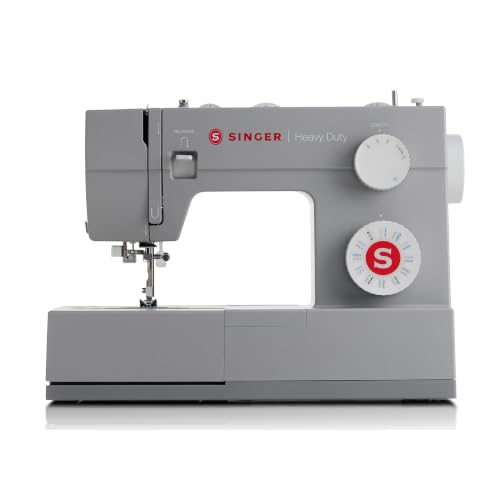
The Singer 4423 is a named mechanical alternative, not an Emerald 116 listing. Compare its actual operation and package on the same material. It provides a different household role with its own controls and limits.
Our 4423 review and 4411 comparison explain related choices. A heavy-duty name should not replace the real seam test or imply that a mechanical option handles every thick assembly.
Different-Brand Computerized Comparisons
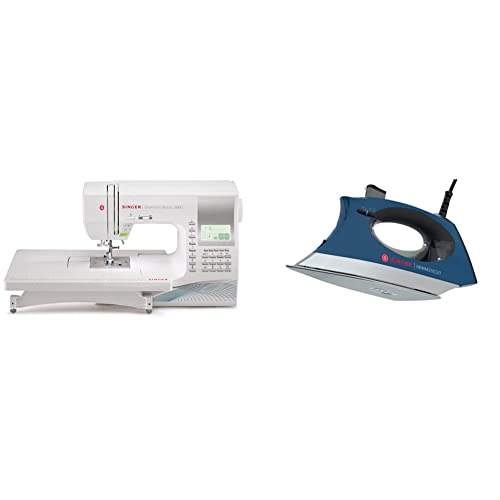
The Singer 9960 and Juki F300 offer other computerized household comparisons. They are not exact replacements for Onyx 30 and should not be pictured or labeled as that model. Use the same operation list, samples, and support questions when comparing them.
The F300 package in particular deserves an exact accessory inventory rather than borrowing the F600’s standard equipment list. The 9960’s application count should also be distinguished from built-in patterns. Accurate comparison starts with matching each feature to the correct model.
Our Brother guide and Janome overview provide wider category context. They help identify alternatives without assuming every brand’s similar-looking machine serves an identical purpose.
Five Useful Comparison Points
- A clear mechanical-versus-computerized decision.
- Model-specific utility and buttonhole operations.
- Controls that can be tested through actual work.
- Separate stitch, function, and font-inclusive counts.
- A complete accessory and support comparison.
Two Limits
- Features should not be transferred across related model names.
- Brand, price, and stitch total do not guarantee every fabric result.
Choose a Supported Offer and an Understood Routine
Confirm the exact unit, condition, sales region, warranty, return process, and instruction available. If buying used or refurbished, demonstrate the actual machine and the operations you need. A stock photograph does not establish its current condition.
Keep one successful reference sample and a record of the settings and materials. Reproduce it after a long break before making several adjustments. That routine helps distinguish a changed material requirement from a setup issue or a problem needing service.
A Project Check Before You Commit
Use a repeated household task to compare the Emerald and Onyx interfaces. Make a seam, change to a buttonhole or another relevant stitch, and return to the original setup without assistance. This reveals whether direct mechanical controls or the electronic functions suit your habits.
For a used offer, match the name and number on the identification label with the manual and accessories supplied. A neighboring Viking model can have different controls despite a similar appearance. Keep a record of the actual package and a successful stitched sample rather than relying only on brand familiarity.
Frequently Asked Questions
Is Emerald 116 the same type of machine as Onyx 30?
No. Emerald 116 provides a mechanical household interface, while Onyx 30 is computerized. Compare the actual controls and required operations rather than treating the brand as one feature set.
Does Emerald 116 have 60 separate stitches?
The manufacturer distinguishes 16 stitches from 60 functions. Do not count the function description as a separate built-in-pattern total.
Does Onyx 30’s lettering mean hoop embroidery?
No. Sewn fonts and programmed patterns are different from importing arbitrary artwork into a hoop embroidery system. Compare genuine embroidery capability separately if that is required.
Are all Onyx models computerized?
No. The maker distinguishes mechanical Onyx options from Onyx 30. Use the exact model’s documentation instead of applying one variation’s features across the range.
Are the Amazon boxes exact Husqvarna Viking offers?
No. They identify separate Singer and Juki alternatives clearly. Check the actual Emerald or Onyx offer independently and do not interpret another machine’s box as a substitute model listing.
Final Recommendation
Choose Emerald 116 when its mechanical controls and useful operations fit the work, or compare Onyx 30 when its computerized conveniences have a defined purpose. Test the same materials, verify model-specific features, and include accessories and support. The best decision comes from an understood complete workflow rather than a brand-wide promise or decorative-count comparison.