Embroidery has become an increasingly popular hobby and profession, allowing individuals to create beautiful designs on fabric. Whether you’re a seasoned embroiderer or just starting out, choosing the right embroidery machine is crucial to achieving the best results. With various options available on the market, knowing what to look for in an embroidery machine can help you make an informed decision that suits your needs and budget.
Table of Contents
- Understanding Your Purpose
- Key Features to Consider
- Ease of Use
- Maintenance and Support
- Budget Considerations
- Popular Brands and Models
- Frequently Asked Questions
- Conclusion
Understanding Your Purpose
Before diving into the technical specifications of embroidery machines, it’s essential to understand your specific needs and purpose for the machine. Are you looking to create simple designs for personal use, or do you plan to start a small business? Your purpose directly influences the features you should prioritize.
Personal Use vs. Commercial Use
If you’re purchasing an embroidery machine for personal use, you may not need all the advanced features that a commercial machine offers. However, if you plan to run a small business or take on larger projects, investing in a machine with more capabilities will benefit you in the long run.
Types of Projects
Consider the types of projects you want to create. Whether it’s clothing, home décor, or custom gifts, different machines may excel in specific areas. Some machines are designed for detailed work, while others are more suited for large designs or bulk production.
Key Features to Consider
When searching for the perfect embroidery machine, several features can significantly impact your experience and the quality of your work.
Stitching Speed
The stitching speed of an embroidery machine is measured in stitches per minute (SPM). Higher speeds can lead to quicker project completion, but the quality of the stitches is just as important. Look for machines that offer a balance between speed and quality.
Embroidery Area
The embroidery area refers to the maximum size of the design that can be embroidered in one go. If you plan to work on larger projects, opt for machines with a bigger embroidery area to minimize the need for repositioning fabric.
Built-in Designs and Fonts
Many embroidery machines come with a selection of built-in designs and fonts. These can save you time and offer inspiration for your projects. Check if the machine allows for importing additional designs, as this can expand your creative possibilities.
Thread Tension Control
Proper thread tension is crucial for achieving clean, professional-looking stitches. Look for machines that offer automatic thread tension control or easy manual adjustments to ensure optimal performance across different fabrics.
Hooping System
The hooping system is essential for securing your fabric during the embroidery process. Consider machines that feature easy-to-use hooping mechanisms to streamline your workflow.
Ease of Use
An embroidery machine should be user-friendly, regardless of your skill level. Here are some factors to consider that enhance usability:
Interface and Controls
Modern embroidery machines often come with touchscreen interfaces that provide intuitive navigation. Ensure the machine you choose has easy-to-use controls, as this can make a significant difference in your sewing experience.
Software Compatibility
Some embroidery machines come with software that allows you to customize designs on your computer before transferring them to the machine. Check for compatibility with popular embroidery software to make the design process easier.
Setup and Maintenance
Consider the setup process and ongoing maintenance requirements of the machine. Ideally, you want a machine that is straightforward to set up and easy to maintain, with clear instructions and access to customer support when needed.
Maintenance and Support
Maintenance is crucial for the longevity and optimal performance of your embroidery machine. Look for the following aspects when considering maintenance and support:
Warranty and Customer Support
A good warranty can provide peace of mind when investing in an embroidery machine. Check the length and coverage of the warranty, as well as the availability of customer support for troubleshooting and repairs.
Cleaning and Maintenance Requirements
Understand the cleaning and maintenance requirements of the machine. Some machines may require regular oiling and cleaning of parts, while others may have self-cleaning features. Choose a machine that fits your willingness to perform routine maintenance.
Budget Considerations
Embroidery machines come in a wide range of prices, so it’s essential to set a budget before you start shopping. Keep in mind that while cheaper machines can be tempting, investing a little more often results in better quality and longevity.
Price Ranges
Embroidery machines can range from a few hundred dollars to several thousand. Here is a general breakdown of price ranges and what you can expect:
| Price Range | Features |
|---|---|
| Under $500 | Basic features, smaller embroidery areas, limited built-in designs. |
| $500 – $1,500 | More advanced features, larger embroidery areas, additional designs and fonts. |
| Above $1,500 | Professional-grade machines with extensive features, large embroidery areas, and high-speed stitching. |
Popular Brands and Models
Familiarizing yourself with reputable brands and their popular models can aid in your decision-making process. Some well-known brands in the embroidery machine market include:
Brother
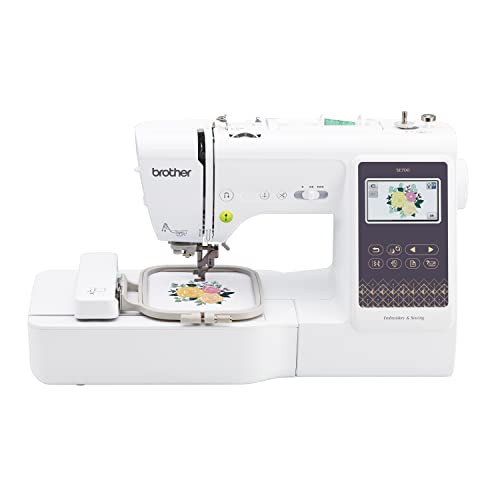
Brother is recognized for its user-friendly machines that are suitable for both beginners and experienced embroiderers. Models like the Brother SE1900 offer a wide range of features at a reasonable price.
Janome
Janome machines are known for their reliability and high-quality stitching. The Janome Memory Craft series is popular among serious hobbyists and professionals alike.
Singer
Singer has a long history in the sewing industry and offers a variety of machines, including budget-friendly options for beginners. The Singer Futura series integrates sewing and embroidery functionalities.
Bernina
Bernina is a premium brand offering high-end embroidery machines known for their durability and advanced features. They are often favored by professionals and serious crafters.
A: The Brother SE1900 is often recommended for beginners due to its user-friendly interface, built-in designs, and affordable price.
A: Many embroidery machines, like the Brother SE1900, offer both sewing and embroidery functions, making them versatile for various projects.
A: It’s advisable to clean your embroidery machine after every few projects or when you notice a buildup of lint and dust, following the manufacturer’s recommendations.
Conclusion
Choosing the right embroidery machine is a significant decision that can enhance your crafting experience and output quality. By understanding your purpose, considering key features, and evaluating ease of use, maintenance, and budget, you can find a machine that meets your needs. Whether you’re a hobbyist or a professional, investing time in research will pay off, leading to beautiful creations and satisfaction in your embroidery journey.
For additional insights, check out our review of the Redline embroidery machine and our review of the ProEmb embroidery machine. If you’re looking for a reliable home option, consider our guide on how to seamlessly create with this home embroidery machine. Don’t forget to explore our tips on creating a DIY embroidery machine stand and discover the joy of hand embroidery on flour sack towels!