

The best sewing machine for clothes is the one that handles your patterns’ seams, openings and fabrics comfortably. Prioritize a suitable stitch set, repeatable buttonholes, zipper control and fabric handling. Embroidery capability is optional unless decoration is part of your actual garment plan. Use a real project sample when comparing controls, access and suitable materials. Its purpose is to support an informed comparison of suitable equipment, not promise universal results.
How this guide helps you choose
A garment-focused guide covering woven construction, stretch seams and finishing requirements.
Options organized by use
| Option | Reason to compare | Practical selection note |
|---|---|---|
| Brother XM2701 | Basic woven garments | A mechanical comparison for seams, zippers and one-step openings. |
| Brother CS7000X | Computerized household sewing | Compare control around curves and the operations in your pattern. |
| Brother XR9550 | Varied household sewing | Evaluate its actual utility stitches rather than buying for lettering alone. |
| Singer 4423 | Mechanical mixed sewing | Test both gentle fabric handling and thick hem transitions. |
| Singer 4452 | Accessory-oriented option | Consider the additional feet only when they serve your fabrics and seam construction. |
| bernette 38 | Computerized garment workflow | Try the interface, buttonholes and thread cutting at a dealer. |
| Janome New Home 2030DC | Compact computerized comparison | Check the exact version, supplied feet and control preferences. |
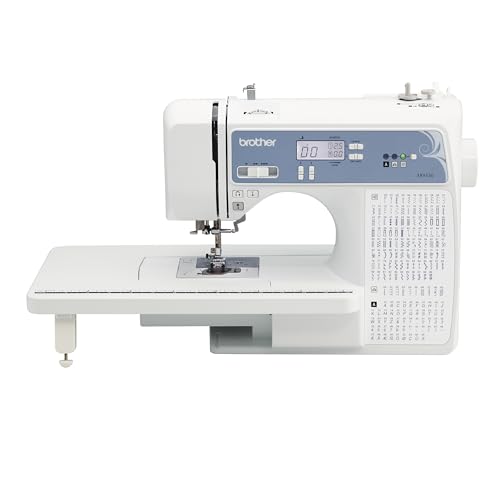
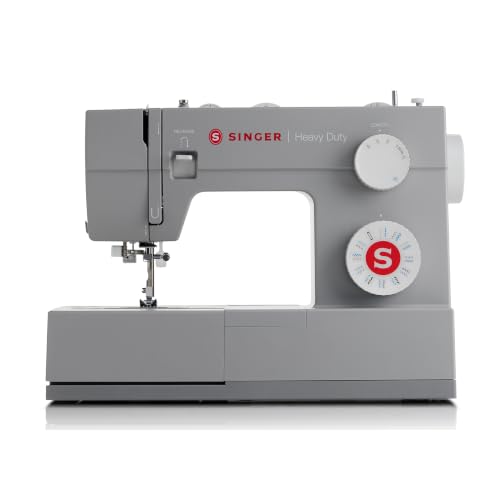
Amazon boxes cover only the specifically verified listings above. Manufacturer and dealer options without a verified ASIN are discussed separately. Bundle contents, condition and availability need checking in the current offer.
A woven shirt and a stretch top need different samples
For woven clothing, test seam accuracy, curved handling, zipper insertion and buttonholes. For stretch clothing, test a seam that remains suitable under the movement the garment will experience. A neat flat stitch line is not enough to establish an elastic seam.
Use the intended needle, thread and preparation on scraps. Inspect after gentle stretching and pressing as appropriate. If the result distorts the fabric, examine the setup and seam construction before blaming the brand. The machine must suit the operation, but sewing method still matters.
Compare the relevant equipment categories using the sewing machine buying guide.
Buttonholes can decide the purchase
A garment with several visible openings makes repeatability valuable. Prepare an interfaced strip, use the intended button, and make several samples. Check shape, spacing and appearance before cutting any opening.
A one-step function can reduce operator changes, but its presence is not a substitute for testing. Some sewists rarely make buttonholes and may prioritize other controls. Choose the feature according to the pattern workload rather than assuming it has equal importance for every clothing project.
For related sewing preparation and problem-solving, see the sewing techniques and troubleshooting.
Zippers and corners reveal control
Sew a zipper sample close to the edge with the correct foot. Then sew a curved seam and stop at marked corners. These are ordinary garment operations that expose how comfortably you control the machine.
Ask to operate it yourself during a demonstration. An experienced salesperson’s smooth result may not reflect your own comfort with the pedal, screen, or needle-position control. The better purchase is a machine you can manage predictably through the parts of clothing construction that need care.
Explore accessory categories in our sewing machine parts and accessories; use the exact manufacturer manual for compatibility and maintenance.
A sewing machine does not replace every finishing tool
A household machine can make appropriate edge finishes, but it does not necessarily trim and finish an edge like a serger. Decide how you will finish each fabric and seam. A serger can be a separate useful purchase, but it does not replace every ordinary sewing operation either.
Pressing, cutting, marking and interfacing also affect the finished garment. Leave budget and workspace for them. Buying a more elaborate machine while omitting the basic construction tools can produce a less satisfactory garment than using a modest suitable machine within a complete process.
When embroidery belongs in the comparison
If the garment includes an imported motif, decide whether it will be decorated before or after assembly and whether a combination machine’s field is adequate. Sewing stitches and embroidery area are separate requirements.
If decoration is not central, do not pay for an embroidery system merely because it sounds more versatile. A dedicated garment-sewing workflow may be simpler. If you already own an adequate sewing machine, separate embroidery can let you prepare another panel while a design runs, provided the workspace and budget support both.
Five advantages and two limitations
Advantages
- Pattern-based selection keeps the machine relevant.
- Repeated opening samples expose useful differences.
- Control tests reflect ordinary garment work.
- Separate finishing plans prevent equipment confusion.
- A complete sewing setup supports better results than feature count alone.
Limitations
- No universal model is best for every garment fabric.
- Machine features do not replace preparation, fitting and construction skills.
Check the exact listing and documentation
Brother XM2701: No products found.
Brother CS7000X: No products found.
Brother XR9550: Check Brother XR9550 listing
Singer 4423: Check Singer 4423 listing
Singer 4452: No products found.
bernette 38: No products found.
Janome New Home 2030DC: Manufacturer information for Janome New Home 2030DC
Frequently asked questions
What is the best sewing machine for garment sewing?
Choose from the operations and fabrics in your patterns, then test those operations on the exact models. This guide provides a shortlist rather than a tested universal winner.
Do I need hundreds of stitches for clothes?
No. Confirm the utility and stretch stitches, openings and feet required for your construction.
Is a serger essential for every garment?
No. Plan a suitable seam finish. A serger is a separate tool that may be useful for particular fabrics and workflows.
Should I choose a Heavy Duty model for all clothing?
Test both your lightest fabric and thickest seam. The label alone does not establish gentle control or universal suitability.
Do I need an embroidery combination machine?
Only when imported-design decoration and its field size matter to your garment plan. Ordinary sewing-only models serve a different need.
Related Practical Textile guides
Explore sewing, embroidery, dyeing, printing and other fabric topics at Practical Textile.
Sources and research method
Manufacturer pages, product documentation and exact listing identities were checked on 2026-10-13. Feature-based recommendations are editorial judgments; they are not measured performance results. Availability, software requirements, packages and lifecycle can change.
- https://www.brother-usa.com/p/sewing/XM2701
- https://www.singer.com/products/singer-4423-heavy-duty-sewing-machine
- https://www.bernette.com/en-US/models/bernette-38
- https://www.janome.com/product/janome-new-home-2030dc/
- https://www.brother-usa.com/p/sewing-embroidery/CS7000X
- https://www.brother-usa.com/p/sewing-embroidery/XR9550
- https://www.singer.com/products/singer-heavy-duty-4452-sewing-machine

