
Quick answer
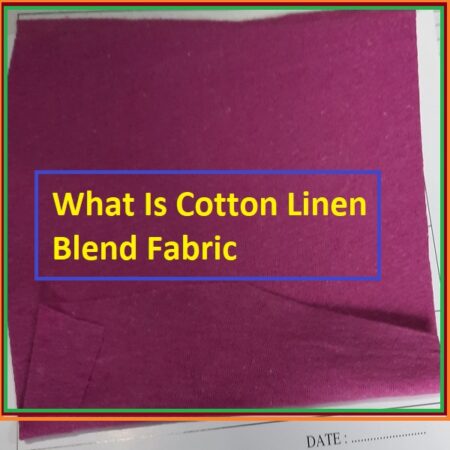
Cotton linen blend fabric mixes cotton's softness with linen's strength, coolness and texture. It wrinkles less than pure linen and is cheaper, making it popular for summer shirts, dresses and home textiles. Both fibres are cellulosic, so they dye with the same reactive dyes.
Cotton linen blend fabric has become a staple in the world of knit fabric dyeing, combining the best qualities of both fibers. Whether you’re a textile professional or an enthusiastic crafter, understanding how to develop, dye, and finish this versatile fabric can set your products apart. This in-depth guide covers every aspect of cotton linen blend fabrics, from knitting techniques to advanced finishing methods, ensuring you get vibrant results every time.
Cotton linen blend fabric is a hybrid textile made by knitting together cotton and linen yarns. The blend offers breathability, strength, and a unique texture. Proper development involves selecting the right yarns, using the correct knitting methods, and applying specialized dyeing and finishing techniques to achieve desired colorfastness and handfeel.
Table of Contents
- Main Topic Explanation
- Types
- Process / Step-by-Step
- Benefits
- Problems / Defects
- Solutions
- Comparison
- Tools / Machines / Products
- Expert Tips
- FAQ
- Conclusion
Main Topic Explanation
Cotton linen blend fabric is created by intertwining cotton and linen fibers through knitting processes. This fusion yields a material that leverages cotton’s softness with linen’s durability and crispness. Used widely in fashion, home textiles, and specialty fabrics, these blends are prized for their natural look and eco-friendly appeal.
Types
The types of cotton linen blend knitted fabrics vary based on:
- Blend Ratios (e.g., 70% cotton/30% linen or 50/50)
- Yarn Count (fine or coarse gauge)
- Knit Structures (single jersey, rib, interlock)
- Dye Methods (piece-dyed, yarn-dyed, garment-dyed)
| Type | Description |
|---|---|
| Single Jersey Knit | Lightweight, stretchy knit ideal for summer wear. |
| Rib Knit Blend | More elastic, used for cuffs, trims, or fitted garments. |
| Interlock Knit Blend | Double-knit structure with enhanced stability. |
| Slub Yarn Blends | Textured appearance for a rustic effect. |
Process / Step-by-Step
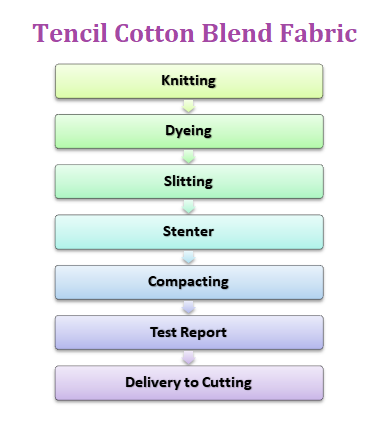
- Yarn Selection: Choose premium quality combed cotton and long-staple flax fibers for superior blend consistency.
- Blending: Fibers are mixed in specific ratios before spinning to ensure even distribution.
- Spinning: Yarns are spun with attention to twist levels—key for balanced strength and softness.
- Knitting: Select the desired knit structure (e.g., single jersey) using circular or flat knitting machines.
- Pretreatment: Scour and bleach the greige fabric to remove impurities for uniform dye uptake.
- Dyeing: Use reactive dyes suitable for cellulose fibers. Control temperature and pH carefully to avoid shade variation.
- Finishing: Apply softeners, calendaring, or enzyme washes for improved drape and feel.
- Quality Control: Test for shrinkage, colorfastness, and handfeel before bulk production.
Benefits
- Highly breathable and moisture-wicking—ideal for warm climates.
- Sustainable choice using natural fibers.
- Combines the softness of cotton with the crisp texture of linen.
- Dyes well with vibrant colors when proper techniques are used.
- Tougher than pure cotton knits—better abrasion resistance.
- Aesthetic appeal from natural slub and matte finish.
Problems / Defects
Common issues during development include:
- Linen’s tendency to pill or fuzz after repeated washing.
- Dye shade inconsistencies due to uneven fiber absorption.
- Shrinkage if pretreatment isn’t thorough.
- Knit distortion or misshaping during handling or finishing.
- Linen’s natural stiffness causing uneven texture in knits.
- Brittleness if fabric is over-processed chemically.
Solutions
- Select high-quality combed yarns to minimize pilling.
- Pretreat thoroughly—scouring removes waxes/oils that block dye uptake.
- Dye at controlled temperatures with adequate agitation for uniform shades.
- Add softener finishes or enzyme washes to reduce stiffness and enhance drape.
- Use relaxed tension settings on knitting machines to prevent distortion.
- Conduct lab tests before full-scale runs to anticipate defects early.
Comparison
| Feature | Cotton Linen Blend Knit | 100% Cotton Knit | 100% Linen Knit |
|---|---|---|---|
| Softness | Medium-High | High | Medium |
| Durability | High | Medium | Very High |
| Wrinkle Resistance | Medium | Medium-High | Low |
| Moisture Absorption | High | High | Very High |
| Eco-Friendly | Yes | Yes | Yes |
| Cost | Moderate-High | Moderate | High Tools / Machines / Products
|
Related Articles
- Can You Dye Viscose And Elastane Fabric?
- Dyeing Of Nylon (Black) With Acid Dyes Complete Practical Experiment
- Study On Dyeing Of Cotton Fabric With Reactive Dye
- Knit Fabric Finishing Flow Chart (Open And Tube)
- Knit Dyeing Details
- Home Page
Expert tip from KAMRUL ISLAM
Linen and cotton take reactive dye at slightly different depths, which gives blends their natural, slightly melange look. That is a feature of the fabric, not a defect.

[…] What Is Cotton Linen Blend Fabric? It’s Knitting, Dyeing,& Finishing Development […]
[…] What Is Cotton Linen Blend Fabric? It’s Knitting, Dyeing,& Finishing Development […]
[…] What Is Cotton Linen Blend Fabric? It’s Knitting, Dyeing,& Finishing Development […]