Knit fabric dyeing plays a crucial role in the textile industry, determining the color, quality, and appeal of final products. Understanding the most used dyeing processes helps manufacturers, designers, and buyers make informed decisions that influence both aesthetics and performance. In this guide, we’ll explore the leading dyeing techniques for knit fabrics, their benefits, challenges, and expert recommendations for optimal results.

Table of Contents
- Main Topic Explanation
- Types of Dyeing Processes
- Step-by-Step Dyeing Process
- Benefits of Modern Dyeing Methods
- Common Problems & Defects
- Practical Solutions
- Comparison of Dyeing Processes
- Tools & Machines Used
- Expert Tips for Superior Results
- Frequently Asked Questions
- Conclusion
Main Topic Explanation
Dyeing is the process of adding color to textile materials such as yarns, fibers, or fabrics. In knit fabric manufacturing, dyeing ensures vibrant hues, uniformity, and fastness—qualities essential for fashion and functional wear. The selection of a suitable dyeing process depends on fiber composition (cotton, polyester, blends), required shade depth, and end-use.
Types of Dyeing Processes in Knit Fabric
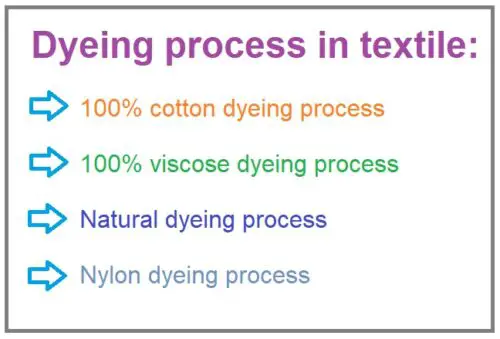
The textile industry utilizes several advanced dyeing methods. For knit fabrics, these are the most prevalent:
- Reactive Dyeing: Best for cotton and cellulosic fibers. Produces bright colors with excellent wash fastness.
- Disperse Dyeing: Mainly used for polyester knits. Ensures even coloration and superior lightfastness.
- Vat Dyeing: Ideal for deep shades on cotton. Renowned for outstanding color fastness.
- Direct Dyeing: Simple process for pastel shades on cotton blends.
- Azoic Dyeing: Used for specialty colors in cellulosic knits.
- Sulphur Dyeing: Suitable for dark shades like black or navy on cotton knits.
Knit Fabric Dyeing Process: Step-by-Step Guide
- Preparation: Scouring and bleaching remove natural impurities and prepare fabric for dye uptake.
- Dye Bath Preparation: Dyes are dissolved with appropriate chemicals (salt, soda ash) to create a stable bath.
- Dye Application: Fabric is immersed into the dye liquor under controlled temperature and agitation.
- Fixation: Chemicals like alkali enable dyes to bond with fibers (especially in reactive dyeing).
- Washing Off: Excess dye is washed out to prevent bleeding and improve fastness properties.
- Finishing: Softening agents or other finishes are applied to enhance fabric feel and performance.
Benefits of Modern Knit Fabric Dyeing Methods
- Vivid and long-lasting colors that resist fading
- Sustainable options with reduced water usage (eco-friendly processes)
- Smooth hand-feel vital for comfort wear
- Greater design flexibility with broad color ranges
- Cost-effective production at scale
| Benefit | Description |
|---|---|
| Color Fastness | Dyes remain vivid after repeated washing and exposure to light. |
| Eco-Friendliness | Many processes now use less water & chemicals. |
| Soft Touch | Modern processes maintain or improve fabric softness. |
| Production Speed | Automated machines allow high output with consistent quality. |
Common Problems & Defects in Knit Fabric Dyeing
- Poor shade consistency across batches (batch-to-batch variation)
- Pilling or surface roughness after dyeing due to harsh chemicals or improper handling
- Poor penetration leading to uneven coloring (patchiness)
- Dye fastness issues—color bleeding during washing or rubbing off (crocking)
- Chemical residue causing skin irritation or reduced softness
- Tenderness or damage to fabric structure from overprocessing
- Inefficient water/chemical use affecting sustainability goals
Practical Solutions for Quality Dyeing Results
- Select dyes specifically formulated for your fiber type and end use.
- Standardize recipes and strictly control bath temperature/timing.
- Use soft flow or air jet dyeing machines to minimize mechanical stress on fabrics.
- Add leveling agents to improve evenness of color distribution.
- Install inline monitoring tools (like spectrophotometers) for real-time quality checks.
- Treat effluent properly to reduce environmental impact.
- Continuous operator training on machine settings and chemical handling best practices.
Comparison of Major Knit Fabric Dyeing Processes
| Process Type | Best For Fiber(s) | Key Feature(s) | Fastness Level* | Eco-Friendly? |
|---|---|---|---|---|
| Reactive Dyeing | Cotton/Modal/Bamboo | Wide shade range, soft hand | High | Yes |
| Disperse Dyeing | Polyester/Blends | Brilliant colors, heat set | Very High | Moderate |
| Vat Dyeing | Cotton/Viscose | Deep shades, exceptional durability | Top Tier | Low-Moderate |
| *Fastness Level refers to resistance against washing/light/rubbing. | ||||
Tools & Machines Used in Knit Fabric Dyeing
- Dye Jigs – For continuous open-width dyeing of knits without creasing
- Semi-Automatic Soft Flow Machines – Gentle action suited for delicate knits
- Tubular Jet Dyeing Machines – Minimize tension during processing
- Paddle Machines – Used for loose knits requiring minimal agitation
- Spectrophotometers – For precise color measurement
- Centrifugal Hydroextractors – Efficient moisture removal post-dye
- Dosing Pumps – Accurate chemical addition reduces waste
- Laundry Trolleys – Safe handling between process stages
- Always test water hardness before preparing the dye bath—soft water ensures better results.
- Avoid overloading machines as it leads to patchy coloration.
- Select enzyme pre-treatments for improved softness in finished knits.
- If using blends (e.g., poly-cotton), opt for dual-stage dye processes.
- Pursue certifications such as OEKO-TEX® Standard 100 for eco-conscious customers.
FAQ About Knit Fabric Dyeing Processes
What is the most popular dye used in knit fabric manufacturing?
The most popular dyes are reactive dyes for natural fibers like cotton. Disperse dyes are preferred for synthetic fibers such as polyester knits.
How can I prevent color bleeding during washing?
Select dyes with high wash fastness ratings. Ensure thorough rinsing after dye fixation and avoid mixing darks with lights in laundry cycles.
Which machine is best suited for delicate knit fabrics?
Semi-automatic soft flow machines are ideal as they minimize mechanical stress while ensuring uniform dye penetration without creases or marks.
Is knit fabric dyeing eco-friendly?
Knit fabric dyeing has become increasingly sustainable with closed-loop water systems, low-impact dyes, and environmentally friendly auxiliaries. Look for certifications like GOTS or OEKO-TEX® when possible.
Can I use the same process for cotton/polyester blends?
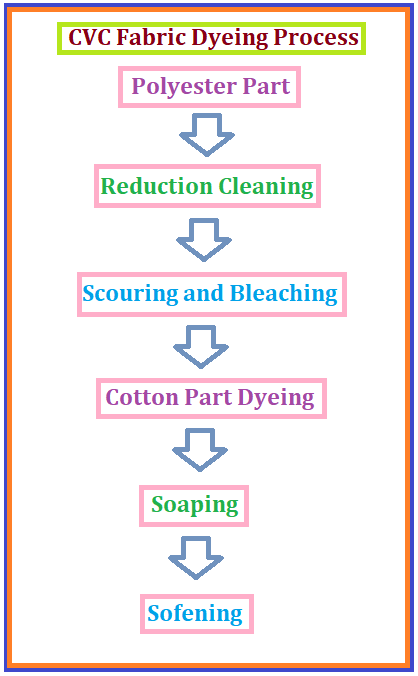
No, blended fabrics usually require sequential dual-bath processes—first disperse dyes (polyester), then reactive dyes (cotton)—for optimal results and shade matching.
Conclusion
The modern textile industry favors reactive dyeing as the most widely used process for knit fabrics thanks to its versatility, brilliant colors, cost-efficiency, and eco-friendliness. However, choosing the right method depends on fiber type, desired durability, sustainability goals, and product requirements. By understanding each process along with its benefits and limitations—and by following expert tips—you can achieve consistently vibrant results that meet both market demand and environmental standards. For brands aiming at quality and responsible manufacturing, staying informed about advances in knit fabric dyeing is essential.
Expert Tips for Flawless Knit Fabric Dyeing Results
Related Articles
- What is the Cationic Polyester?
- How to Mercerized Fabric Dyeing Process For Knitted Fabric: A Step-by-Step Guide
- Can You Dye Viscose And Elastane Fabric?
- Which Dyeing Process Produces The Most Colorfast Fabric?
- 100% Tencel Knit Fabric Dyeing Process With Trouble Free Steps
- Home Page
Related pick: Check today's price on Amazon