
Quick answer
You can dye fabric with lavender, but it gives soft yellow-greens, greys and beiges rather than purple. Mordant the fabric with alum first, especially cotton, then simmer the flowers and stems and add the fabric. An iron after-bath shifts the colour toward grey-green.
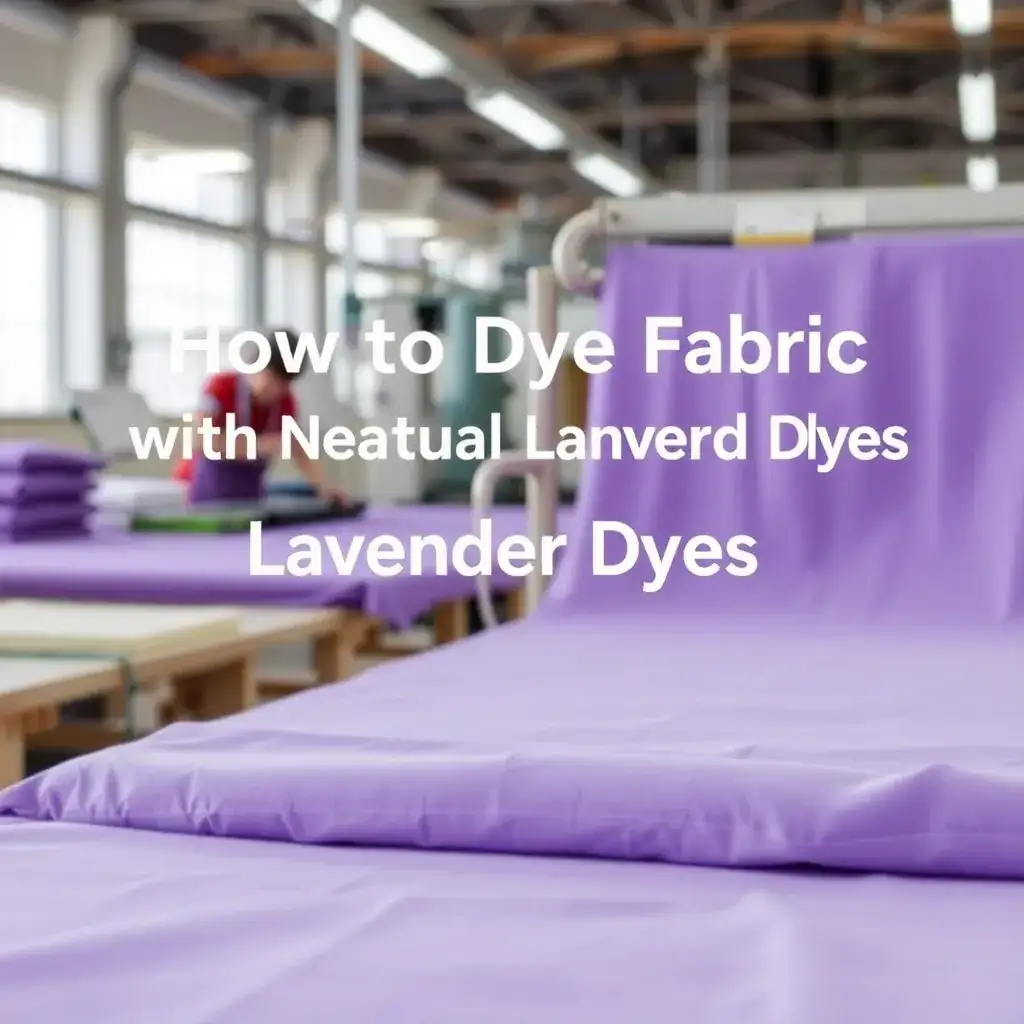
Discover an eco-conscious way to add beautiful hues to your textiles. Natural lavender dyes offer a gentle, aromatic, and sustainable alternative to synthetic colors. Whether you’re new to natural dyeing or seeking environmentally friendly techniques, this guide covers everything you need to know about dyeing fabric with lavender.
To dye fabric with natural lavender dyes, steep fresh or dried lavender flowers in hot water, strain the mixture, and soak pretreated natural fabrics in the dye bath. Fix the color with a mordant like alum for lasting results.
What Is Natural Lavender Dye?
Natural lavender dye is created from the flowers of the Lavandula plant. Unlike synthetic dyes, it uses plant-based pigments to impart subtle shades—often pale lilac, greyish purple, or soft blue—to natural fabrics. This method fits perfectly into sustainable textile practices by reducing chemical waste and utilizing biodegradable materials.
Lavender has been used for centuries not only for fragrance but also as a gentle natural dye in European and Mediterranean textile traditions.
Types of Lavender Dyes
- Fresh Lavender Flower Dye: Uses recently harvested blossoms for vibrant aromas and delicate tints.
- Dried Lavender Flower Dye: Relies on preserved flowers; offers convenience and year-round access.
- Lavender Leaf Dye: Less common; produces subtle greenish tones rather than purples.
- Lavender Extracts and Concentrates: Commercially prepared for more consistent results.
Step-by-Step Dyeing Process
- Select Your Fabric: Opt for natural fibers like cotton, linen, silk, or wool – they absorb plant dyes best.
- Pretreat with Mordant: Soak fabric in a mordant solution (e.g., alum) to help fix the color. Rinse thoroughly.
- Prepare the Dye Bath:
- Add fresh or dried lavender flowers to a stainless steel pot.
- Add enough water to cover the fabric completely.
- Simmer gently for 30–60 minutes until water turns a deep color.
- Strain Out Plant Material: Use a fine mesh strainer or cheesecloth for clear dye liquid.
- Dye the Fabric:
- Add pretreated fabric to the warm dye bath.
- Simmer gently (do not boil) for 1–2 hours, stirring occasionally for even coloring.
- The longer it soaks, the deeper the shade—but expect subtle hues from lavender.
- Rinse & Dry: Remove fabric, rinse in cool water until it runs clear, then air dry away from direct sunlight.
| Step | Description |
|---|---|
| Pretreat Fabric | Mordant soak (alum) for colorfastness |
| Make Dye Bath | Simmer lavender in water until deep colored |
| Dye Fabric | Soak fabric in strained dye bath until desired color reached |
| Rinse & Dry | Rinse well and air dry out of sunlight |
Key Benefits of Using Natural Lavender Dyes
- Eco-Friendly: No toxic chemicals—safe for waterways and soil.
- Scented Finish: Fabrics retain a light natural fragrance initially.
- Sustainable & Biodegradable: Supports green textile practices and reduces environmental impact.
- Mild Antibacterial Properties: Lavender’s essential oils have mild antimicrobial effects.
- No Allergic Reactions: Suitable for sensitive skin compared to some synthetic dyes.
Common Problems & Defects When Using Lavender Dyes
- Pale or uneven coloration on certain fibers (especially synthetics)
- Dye fading after several washes or sun exposure
- Splotchy appearance from poor stirring or insufficient mordanting
- Dull colors if flowers are not fresh or potent enough
- Mild fabric stiffness if not rinsed thoroughly post-dyeing
Effective Solutions to Common Issues
- Aim for Natural Fibers Only: Synthetic fabrics rarely absorb plant dyes well—stick to cotton, silk, linen, or wool.
- Mordant Thoroughly: Ensure even soaking and rinsing before dyeing to set the color properly.
- Avoid Overcrowding Fabric in Pot: Give each piece room to move freely in the dye bath for uniform coverage.
- Dye Longer or Repeat Baths: For deeper hues, extend soaking time or repeat the process as needed.
- Avoid Sunlight When Drying: Air dry in shade to prevent rapid fading of natural colors.
Lavender vs. Other Natural Dyes
| Dye Source | Color Range | Color Fastness* | Scent/Properties | Eco Impact |
|---|---|---|---|---|
| Lavender Flowers | Subtle lilac, pale purple-blue-grey tints | Moderate (requires mordant) | Light floral scent; mild antimicrobial effect | Very Low (biodegradable) |
| Madder Root | Red, pinks | High (with mordant) | Earthy aroma | Low–Moderate |
| Indigo Leaves | Deep blues | High | Neutral scent | Low |
| Onion Skins | Yellows, golds | Moderate | Vegetal aroma | Very Low |
| *Color Fastness = Resistance to fading/washing out with proper mordanting and care. | ||||
Essential Tools & Products for Lavender Dyeing at Home
- Stainless steel pot (dedicated for dye use)
- Cotton muslin bags or cheesecloth (for straining)
- Nitrile gloves (to protect hands from stains)
- Pretreated natural fabrics (cotton, silk, linen, wool)
- Mordant (alum powder is safest and most common)
- Tongs or wooden spoons (for stirring and handling hot material)
- Kitchenscale (to measure ratios accurately)
- Fresh/dried lavender flowers or commercial extracts/concentrates
- pH-neutral soap for final washing/rinsing
- Glass jars/bottles for storing leftover dye baths (optional)
- Labels/notebook—for tracking recipes and results
- Face mask if working with powders or sensitive skin/respiratory issues
- Clean workspace covered with newspaper or plastic sheeting
Expert Tips for Superior Results
1. Harvest at Peak Bloom
Use freshly picked lavender when possible—flowers at full bloom yield richer color and fragrance.
2. Pre-Soak Fabrics Overnight
Allowing fabrics to soak overnight in mordant ensures better pigment absorption.
3. Experiment With pH Adjustments
Adding a splash of vinegar can shift color slightly toward pinker tones; baking soda may produce bluer shades.
4. Keep Records
Track ratios of flower weight to fabric weight and all steps—this helps you refine your technique over time.
5. Combine With Other Natural Dyes
Mix lavender with logwood or hibiscus for unique purples and richer shades.
Does lavender really dye fabric purple?
Lavender yields a very pale lilac-grey shade on most fabrics—not vibrant purple. For deeper purples, blend with other natural dyes.
Which fabrics work best with lavender dyes?
Natural fibers like cotton, linen, silk, and wool absorb lavender pigment most effectively.
How long does the color last?
With proper mordanting and gentle washing, lavender color can last through multiple washes but will fade gradually over time.
Can I use essential oil instead of flowers?
No—lavender essential oil does not contain pigment molecules needed for dyeing fabric.
Conclusion
Dyeing fabric with natural lavender is an inspiring way to embrace green textile practices while infusing your creations with subtle beauty and gentle fragrance. By following eco-friendly methods—from choosing high-quality flowers to using safe mordants—you can achieve charming results that honor both tradition and sustainability. Experiment with blends and techniques to find your signature shade—and enjoy every step of this mindful making process!
Related Articles
- Chemical Management Procedure for Textile Industry: Step-by-Step Guide
- 7 Simple Ways to Soften Fabric Without Fabric Softener
- Carbon Emissions in the Textile Industry: Reduction Strategies for 2026
- Dyeing Fabric With Flower Petals: Sustainable Techniques & 2026 Guide
- Antiviral Fabric Treatment in Textile Processing: Effective COVID-19 Protection
- Home Page
Expert tip from KAMRUL ISLAM
Purple flower colour rarely transfers to fabric. For true purples from nature, logwood or blackberries with a mordant work far better than lavender.


[…] Dyeing Fabric With Lavender || It’s Natural Updated 2022 […]
[…] Dyeing Fabric With Lavender || It’s Natural Updated 2022 […]