
We earn a commission if you buy through links on this page, at no extra cost to you. Product suggestions are based on fibre and mordant chemistry, manufacturer information and my wet-processing experience; we earn a commission on qualifying Amazon purchases at no extra cost to you.
Quick answer
To dye fabric with flower petals, choose a protein fibre like wool or silk (or cotton pre-treated with tannin), mordant it with alum, then simmer the petals in water for about an hour, strain, and soak the fabric in the warm dye bath. Yellow flowers such as marigold and coreopsis give the strongest, most reliable colours. Many pink and red petals turn beige or brown.
Which flowers give which colours?
Petal colour is a poor guide to fabric colour. Yellow and orange flowers contain flavonoids, which bond well to alum-mordanted fibre and give strong, repeatable shades. Red, pink and purple petals mostly contain anthocyanins, which are pH-sensitive and fade fast in light, so a vivid pink rose often ends up soft beige. For lasting reds, dyers use madder root or cochineal instead. Expected results on alum-mordanted wool or silk:
| Flower | Typical colour (alum) | With iron | How reliable |
|---|---|---|---|
| Marigold (Tagetes) | Bright yellow to gold | Olive green | Very reliable, strong |
| Calendula | Pale to mid yellow | Soft khaki | Reliable, lighter than marigold |
| Coreopsis (dyer's coreopsis) | Orange to rust | Brown | Very reliable, one of the best |
| Black hollyhock | Purple to mauve | Grey-purple | Moderate, fades in sun |
| Hollyhock (pink/red) | Pale lilac to beige | Grey | Variable |
| Rose petals | Pinkish-beige to light brown | Grey-brown | Low; rarely stays pink |
| Hibiscus | Pink-purple that shifts to grey or brown | Grey | Low; very pH-sensitive |
| Dahlia (orange/red) | Yellow to orange | Olive to brown | Reliable |
| Cosmos (orange/sulphur) | Orange to gold | Brown | Reliable |
Results vary with petal freshness, water hardness, pH, mordant amount and fibre. Always dye a small test swatch first.
Best fabric for flower dyeing: wool, silk or cotton?
Wool and silk are the easiest. As protein fibres, they offer many sites for the alum-dye complex to attach, so colours come out deeper and brighter. Beginners should start with a silk scarf or wool yarn.
Cotton, linen and other cellulose fibres need an extra step. Plant fibres hold very little alum on their own, so you first treat them with tannin (oak gall, sumac, or even strong black tea), then alum. Skip the tannin and most flower colours on cotton wash out pale. Cotton must also be properly scoured first to remove natural waxes; see my natural dyeing process of cotton for the full pre-treatment.
Polyester, nylon and acrylic will not take flower dyes. Use 100% natural fibre and check the care label.
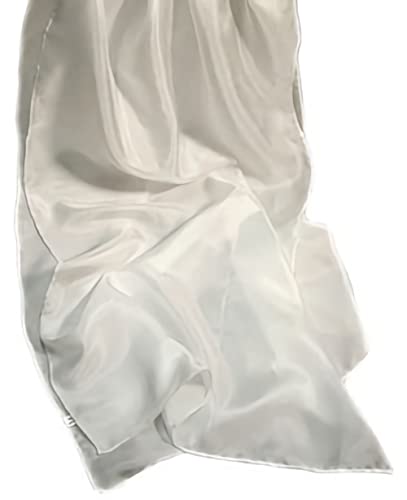
Dharma Trading Blank Silk Scarves for Dyeing, 15x60 in
Blank, ready-to-dye silk scarves take alum and flower dyes evenly and show eco-print detail clearly, so beginners get a good result on the first try.
Buy on AmazonWhat mordants do and which one to use
A mordant is a metal salt that acts as a bridge between the dye and the fibre. Most flower dyes have weak attraction to fibre on their own. The metal ion attaches to the fibre and also binds the dye molecule, locking the colour in place. Without it, most petal colour rinses out within a few washes.
- Alum (potassium aluminium sulphate): the standard mordant. It keeps colours bright and clear. Typical use is around 10–15% of the dry fabric weight for wool and silk.
- Tannin: used before alum on cotton and linen. It gives the cellulose fibre something for the aluminium to grip.
- Iron (ferrous sulphate): used as an after-bath in very small amounts (about 1–2% of fabric weight) to shift colours darker: yellow to olive, pink to grey. Too much iron makes wool and silk brittle.
Safety
Use dedicated pots, spoons and buckets that never go back to the kitchen. Wear gloves, work in a ventilated space, and keep mordants away from children and pets. Avoid chrome, copper and tin mordants at home; alum and small amounts of iron are enough.

Alum Dyeing Mordant Powder, 1 lb
Plain alum powder is the basic mordant for flower dyeing on wool and silk, and the second step after tannin on cotton.
Buy on AmazonHow to dye fabric with flowers: the hot dye bath method
Use this for an even, all-over colour. Weigh the dry fabric first; mordant and petal amounts are based on that weight (WOF, weight of fibre).
- Scour the fabric. Wash it in hot water with a pH-neutral detergent to remove oils, sizing and finishes, which block dye uptake.
- Mordant. For wool or silk, dissolve alum (about 10–15% WOF) in hot water, add to a pot of warm water, add the wet fabric and hold at about 80–85°C (below boiling) for an hour. For cotton, do a tannin bath first, then alum. Let it cool in the bath, then rinse lightly.
- Make the dye bath. Use at least an equal weight of fresh petals to fabric; double gives deeper shades. Cover with water and simmer gently for 45–60 minutes.
- Strain. Pour the liquid through a fine sieve or old cloth so petal bits do not leave spots on the fabric.
- Dye. Add the damp, mordanted fabric to the warm dye bath. Heat slowly to about 80°C and hold for 45–60 minutes, stirring gently so the colour stays even. For deeper colour, leave it to cool in the bath overnight.
- Optional iron shift. To darken, move the fabric to a separate bath with a pinch of iron (1–2% WOF) for 5–10 minutes, then rinse straight away.
- Rinse and dry. Rinse in water at the same temperature until it runs nearly clear, wash once with pH-neutral soap, and dry in the shade.
Expert tip from Kamrul Islam
Never boil wool or move it between baths at very different temperatures. Most felted, uneven wool in home dyeing comes from rushing the heat, not from the dye.
Bundle dyeing and hammering: eco-printing with petals
Eco-printing transfers the shape of each petal onto mordanted silk or wool instead of making one solid colour. Coreopsis, marigold, cosmos, dahlia, rose and dark hollyhock print well.
Bundle dyeing (steaming)
- Prepare the fabric. Scour and alum-mordant it, then dampen it.
- Lay out the petals. Spread fresh or dried petals over half the fabric, then fold the other half over them.
- Roll tightly. Roll the fabric around a wooden dowel or stick and tie it firmly with string so the petals press hard against the fibre.
- Steam. Steam the bundle for 60–90 minutes in a steamer basket above simmering water.
- Wait. Let the bundle cool and rest for at least a day, ideally two or three, before you unroll it. The colour keeps developing.
- Cure and rinse. Shake off the petals, let the fabric dry for about a week, then rinse gently in cool water.
Hammering (pounding)
Place a petal on mordanted cotton or silk, cover with paper towel, and tap firmly with a hammer until the colour shows through. It is quick and fun for kids, but hammered prints are the least durable, so let them dry for a week and treat the piece as decorative.
Can you dye fabric with dried flowers?
Yes. Dried marigold, calendula, coreopsis and rose petals all work. Use roughly half the weight you would of fresh petals and soak them overnight before simmering. Freezing fresh petals also works and often releases colour more easily.
How to make natural flower dye last longer
Be realistic: light and wash fastness for flower dyes is typically low to moderate, lower than for the synthetic reactive dyes used on most shop-bought cotton. In industrial dyeing, a reactive dye forms a covalent bond with the cotton fibre, so it does not wash out. A flower dye only holds through the weaker mordant complex, so it will soften over time. These habits slow that down:
- Use enough mordant, and use tannin plus alum on cotton.
- Rinse thoroughly after dyeing so loose dye does not bleed later.
- Wash by hand in cool water with a pH-neutral soap (wool wash or mild soap). Alkaline detergents shift and strip flower colours.
- Never use bleach or optical brighteners on naturally dyed fabric.
- Dry in the shade and store away from sunlight; UV is the main thing that fades petal colour.
- Expect yellows from marigold and coreopsis to last far longer than pinks and purples.
Expert tip from Kamrul Islam
If a petal colour turns blue-grey or green after washing, the detergent was too alkaline. Anthocyanin colours change with pH, so a little vinegar in the final rinse can sometimes pull them back toward pink. For more on how dye method affects fastness, see which dyeing process gives the most colourfast fabric.
Natural flower dye vs synthetic dye
| Point | Flower dyes | Synthetic (reactive) dyes |
|---|---|---|
| Colour range | Mostly yellows, oranges, beiges, soft purples | Any shade, including bright pinks and blacks |
| Wash fastness | Typically low to moderate | Typically good to very good on cotton |
| Light fastness | Typically low to moderate; pinks fade fastest | Typically moderate to good |
| Repeatability | Varies by flower batch and water | Very consistent |
| Needs a mordant | Yes (alum, tannin for cotton) | No; fixed with salt and alkali |
| Best for | Craft, art pieces, scarves, gentle-wear items | Everyday clothes that are washed often |
Fastness ratings are typical for each dye class, not results of a specific product test.
For strong, wash-proof colour on everyday cotton clothes, use a commercial dye; see best dyes for clothes by fabric type. Flower dyeing wins when you value soft, one-off colour.
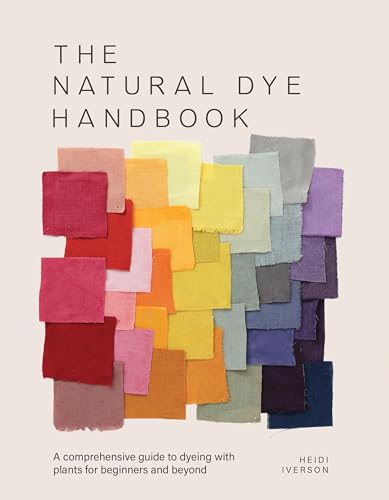
The Natural Dye Handbook by Heidi Iverson
A clear, well-structured guide to plant dyes, mordant ratios and recipes, useful once you want consistent results across more flowers and fibres.
Buy on AmazonFrequently asked questions
How do you make dye from flower petals?
Simmer fresh petals in water (at least equal to the fabric weight) for 45 to 60 minutes without boiling hard, then strain the liquid. Use it straight away on scoured, alum-mordanted fabric.
Can I use rose petals as dye?
Yes, but rose petals usually give pinkish-beige to light brown rather than pink, and the colour fades in light. An iron after-bath shifts them to grey-brown.
Which flowers give the strongest natural dye?
Marigold, coreopsis, dahlia and orange cosmos give the strongest and most reliable colours, mostly yellows, oranges and golds. They hold much better than pink or red petals.
Can you dye cotton with flowers?
Yes, but cotton needs a tannin treatment followed by alum, or the colour stays very pale. Wool and silk take flower dyes much more easily.
Do you need a mordant for flower dyeing?
For lasting colour, yes. A mordant like alum bridges the dye and the fibre; without it most petal colour washes out within a few washes.
Is flower-dyed fabric colourfast?
Wash and light fastness for flower dyes is typically low to moderate. Wash cool with pH-neutral soap and dry in the shade to make it last.
Why did my flower dye turn brown or grey?
Usually the bath was boiled, the water or detergent was alkaline, or iron got in from a pot or tap water. Red and pink anthocyanins are especially sensitive to pH and heat.
Our verdict
The bottom line
Dyeing fabric with flower petals works best when you match the right flower to the right fibre: yellow and orange flowers on alum-mordanted wool or silk give the strongest, longest-lasting results. Use tannin plus alum for cotton, keep the bath below boiling, and wash cool with pH-neutral soap. Treat pinks and purples as beautiful but short-lived, and always test a swatch first.
Buy on Amazon


[…] Dyeing Fabric With Flower Petals […]