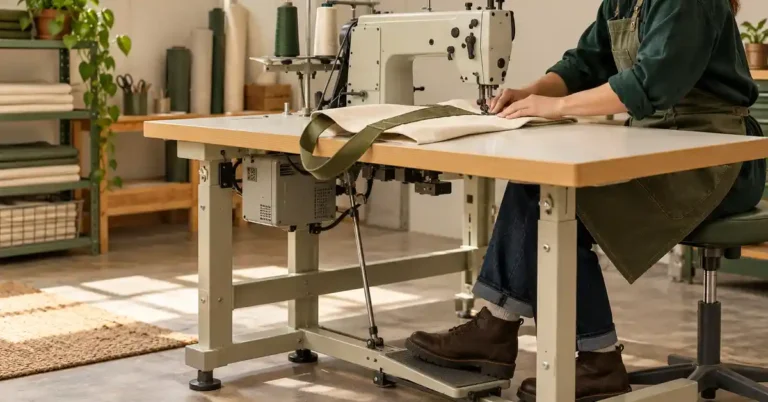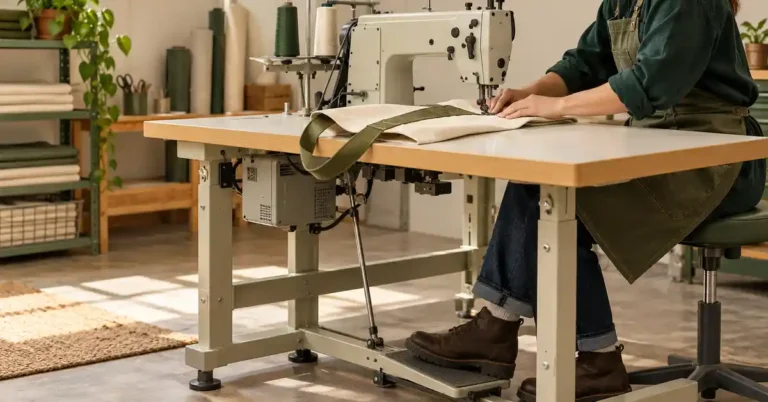
Choosing the right sewing machine needle is crucial for achieving the best results in your sewing and embroidery projects. One of the most versatile options available is the 130/705H sewing machine needle. This needle type is designed to work with a variety of fabrics and is compatible with most home sewing machines. In this article, we will explore the features, benefits, and various applications of the 130/705H sewing machine needle, providing you with all the information you need to effectively use this essential tool in your sewing arsenal.
What is a 130/705H Needle?
The 130/705H needle is a standard sewing machine needle that has gained popularity due to its compatibility with various sewing machines and its effectiveness across multiple fabric types. It features a rounded tip, making it suitable for knits and wovens alike. The needle’s designation, 130/705H, indicates its specific dimensions and type, with “130” denoting the needle system and “705H” indicating its design for home sewing machines.
Features and Benefits
Understanding the features and benefits of the 130/705H needle can help you appreciate why it’s a favorite among sewists:
| Feature | Benefit |
|---|---|
| Universal Design | Compatible with most home sewing machines. |
| Rounded Tip | Works well with knits and woven fabrics without damaging them. |
| Variety of Sizes | Available in various sizes to accommodate different fabric weights. |
| Easy to Replace | Simple to switch out, ensuring minimal downtime during projects. |
Types of 130/705H Needles
There are several types of 130/705H needles designed for specific purposes. Here’s a breakdown of the most common types:
Universal Needles
Universal needles are the standard choice for most sewing projects. They work well with both woven and knit fabrics, making them a versatile option.
Ballpoint Needles
Ballpoint needles have a rounded tip that gently pushes the fabric fibers aside, making them ideal for sewing knits and stretch fabrics.
Jeans/Denim Needles
These needles feature a thicker shaft and a sharp point to penetrate heavy fabrics like denim and canvas effectively.
Embroidery Needles
Embroidery needles have a larger eye to accommodate thicker embroidery threads, reducing the risk of thread breakage during stitching.
How to Choose the Right Needle
Selecting the correct needle type and size is crucial for the success of your sewing project. Here are some tips on how to choose the right 130/705H needle:
Consider Fabric Type
Different fabrics require different needles. For example:
- Use universal needles for most woven fabrics.
- Opt for ballpoint needles for knits and stretchy materials.
- Choose jeans needles for heavy fabrics like denim.
Check Needle Size
Needles are available in various sizes, typically ranging from 60 to 120 (metric sizes). The size you choose should correspond to the weight of the fabric:
- 60/8 for lightweight fabrics.
- 80/12 for medium-weight fabrics.
- 100/16 for heavy fabrics.
Applications of 130/705H Needles
The versatility of the 130/705H needle makes it suitable for a wide range of sewing applications:
General Sewing
These needles are perfect for everyday sewing tasks, including garment construction, home decor, and quilting.
Embroidery
When paired with appropriate embroidery threads, 130/705H embroidery needles can create beautiful designs on various fabrics.
Patching and Mending
The sharp point of specialty needles makes them ideal for patching and mending clothing items, ensuring strong, durable seams.
| Application | Recommended Needle Type |
|---|---|
| Garment Making | Universal or Ballpoint |
| Quilting | Universal or Quilting Needle |
| Embroidery | Embroidery Needle |
| Heavy Fabrics | Jeans/Denim Needle |
Caring for Your Needles
Proper care and maintenance of your sewing needles can prolong their lifespan and ensure optimal performance:
Storage
Store needles in a cool, dry place. Use a needle case to prevent bending and dulling.
Regular Inspection
Inspect needles regularly for signs of wear and tear. Replace needles that have become dull or bent.
Common Issues and Solutions
Even with the right needle, you may encounter issues while sewing. Here are some common problems and their solutions:
Skipped Stitches
Skipped stitches can occur for several reasons, including using the wrong needle type or size. Ensure you are using the appropriate needle for your fabric.
Thread Breakage
If your thread keeps breaking, it might be due to a damaged needle or incorrect tension settings. Replace the needle and adjust the tension as needed.
Puckering
Puckering can happen when the needle is too small for the fabric or if the fabric is being pulled too tightly. Choose a larger needle size and sew at a consistent speed.
A: It’s recommended to change your needle every 6-8 hours of sewing time or whenever you notice issues like skipped stitches or thread breakage.
A: Yes, 130/705H needles are suitable for embroidery, especially when using the appropriate embroidery needle type.
A: Universal needles have a slightly rounded tip for general use, while ballpoint needles have a more rounded tip specifically designed for knit fabrics to avoid damage.
Frequently Asked Questions
A: Most home sewing machines, including popular brands like Brother, Singer, and Bernina, are compatible with 130/705H needles.
A: Yes, the 130/705H needle is suitable for quilting, though you might want to consider using a quilting needle for optimal results.
A: Using the wrong needle size can lead to issues such as skipped stitches, thread breakage, and fabric damage.
In conclusion, the 130/705H sewing machine needle is an essential tool for any sewing enthusiast. Its versatility, compatibility with various fabrics, and ease of use make it a popular choice among sewists. By understanding the various types, applications, and care tips for these needles, you can enhance your sewing experience and achieve professional-quality results in your projects. Whether you are crafting exquisite embroidery designs or simply mending your favorite garments, the right needle can make all the difference. So stock up on 130/705H needles and let your creativity soar!