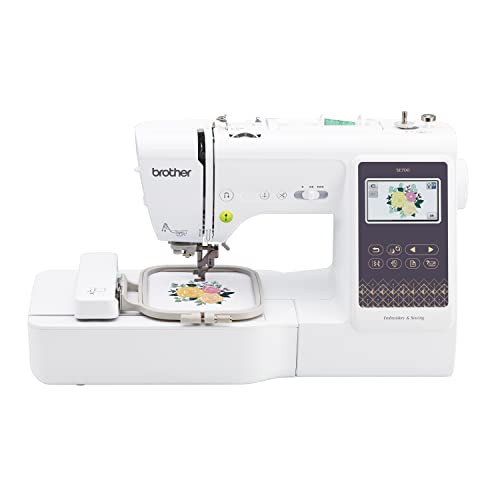
Sewing machines have long been a staple in the crafting and textile world, providing individuals with the ability to stitch, mend, and create. However, as technology has advanced, many are left wondering: can sewing machines do embroidery? The answer is yes, but with a few distinctions. While traditional sewing machines are primarily designed for straightforward stitching, embroidery requires a different approach, whether through specialized embroidery machines or multifunctional sewing machines capable of handling embroidery tasks. In this article, we will explore the capabilities of sewing machines regarding embroidery, the differences between various machines, and tips for choosing the right one for your needs.
Table of Contents
- Understanding Sewing and Embroidery
- Types of Machines
- Features to Consider
- Tips for Embroidery Projects
- Common Embroidery Techniques
- FAQ
Understanding Sewing and Embroidery
To fully appreciate the capabilities of sewing machines in relation to embroidery, it is essential to understand the differences between these two processes. Sewing typically involves joining two pieces of fabric together using a thread, while embroidery is the art of decorating fabric using needle and thread, often creating intricate designs and patterns.
The Basics of Sewing
Sewing machines are primarily built for stitching. They can perform various functions, including straight stitching, zigzag stitching, and a variety of decorative stitches. The focus is on providing strength and durability to seams rather than artistic embellishments.
The Art of Embroidery
Embroidery, on the other hand, requires precision and detail. It often involves the use of multiple colors and complex patterns, which can be achieved through specialized techniques and tools. Embroidery machines are designed specifically for this purpose, equipped to handle intricate designs and automated stitching processes.
Types of Machines
When it comes to sewing machines capable of embroidery, there are two primary types to consider: standard sewing machines with embroidery capabilities and dedicated embroidery machines.
Standard Sewing Machines with Embroidery Features
Many modern sewing machines include built-in embroidery features. These machines allow users to switch between sewing and embroidery tasks, making them versatile for various projects. However, they may not offer the same level of functionality as dedicated embroidery machines.
| Feature | Standard Sewing Machine | Dedicated Embroidery Machine |
|---|---|---|
| Embroidery Capability | Basic | Advanced |
| Design Options | Limited | Extensive |
| Ease of Use | Moderate | High |
| Cost | Lower | Higher |
Dedicated Embroidery Machines
Dedicated embroidery machines are specifically engineered for creating embroidered designs. They offer advanced features such as larger embroidery fields, the ability to read various embroidery file formats, and built-in design libraries. These machines are ideal for those who plan to focus primarily on embroidery projects.
Features to Consider
When choosing between a standard sewing machine and a dedicated embroidery machine, there are several features to consider:
Embroidery Area Size
The size of the embroidery area determines how large your designs can be. A larger embroidery field allows you to create more intricate designs without needing to reposition the fabric constantly.
Built-in Designs
Some machines come with a library of built-in embroidery designs, while others allow you to upload your own. Consider what types of designs you will use most frequently and choose a machine that fits your needs.
Thread Cutting and Color Changes
Advanced embroidery machines can automatically cut threads and change colors, making the process more efficient. If you plan on working with multi-color designs, this feature can be a significant time saver.
User Interface
A user-friendly interface can make a significant difference in your experience. Look for machines with touch screens, easy navigation, and clear instructions to simplify the learning curve.
Tips for Embroidery Projects
Now that you have an understanding of the types of machines available and the features to consider, here are some practical tips for getting started with embroidery:
Choose the Right Fabric
The fabric you select can greatly impact the outcome of your embroidery. Fabrics like cotton, linen, and polyester work well, while stretchy materials may require additional stabilization to prevent distortion.
Stabilizers are Essential
Using a stabilizer is crucial for ensuring your embroidery turns out as intended. It helps support the fabric during the stitching process and prevents puckering. Different types of stabilizers are available, including tear-away, cut-away, and water-soluble options.
Digitizing Designs
If you’re creating custom designs, you’ll need to digitize them for your machine to understand how to stitch them out. Digitizing involves converting artwork into a format compatible with your embroidery machine. Many software options are available for this purpose, depending on your needs and expertise level.
Maintain Your Machine
Regular maintenance of your sewing or embroidery machine is essential for optimal performance. Keep your machine clean, lubricate moving parts, and check for any issues regularly to ensure a smooth sewing experience.
Common Embroidery Techniques
Embroidery offers a variety of techniques that can enhance your projects. Below are some common methods you may want to explore:
Free-Motion Embroidery
This technique involves moving the fabric freely under the needle to create designs that are often more artistic and less structured. It requires practice to master but can yield beautiful results.
Machine Appliqué
Appliqué involves stitching fabric shapes onto a base fabric. This technique can be used in combination with embroidery for added texture and design depth.
Monogramming
Monogramming is a popular way to personalize items. Many machines come with built-in monogramming fonts and options, making this technique accessible for beginners.
FAQ
A: Not all sewing machines can do embroidery. Look for machines specifically designed with embroidery features for the best results.
A: Regular sewing focuses on joining fabrics together, whereas embroidery involves decorative stitching to create designs.
A: While regular sewing thread can be used, specialty embroidery threads designed for this purpose often provide better results and a more professional finish.
Conclusion
In conclusion, sewing machines can indeed do embroidery, but the extent of their capabilities depends on the type of machine you choose. Whether you opt for a standard sewing machine with embroidery functions or decide to invest in a dedicated embroidery machine, understanding the differences, features, and techniques involved will enhance your crafting experience. With the right tools and knowledge, you can create beautiful embroidered pieces that add a personal touch to any project. For those looking to dive deeper into embroidery, consider exploring options like personalized embroidery projects or checking out reviews such as the embroidery machine Melco. Happy sewing and embroidering!