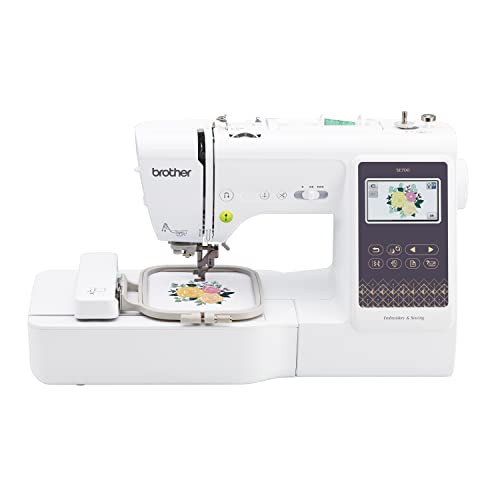

Embroidery with a sewing machine has become increasingly popular among crafters and sewing enthusiasts alike. This technique allows you to create intricate designs and patterns on a variety of fabrics, elevating your sewing projects to a new level. Whether you’re a beginner looking to explore this craft or a seasoned pro wanting to refine your skills, understanding the nuances of machine embroidery is essential for achieving stunning results. In this article, we will delve into the ins and outs of embroidery with a sewing machine, covering everything from the necessary tools to advanced techniques.
Table of Contents
- What is Machine Embroidery?
- Essential Tools for Machine Embroidery
- Setting Up Your Sewing Machine for Embroidery
- Choosing the Right Fabrics and Threads
- Embroidery Techniques and Patterns
- Common Mistakes to Avoid
- Maintaining Your Sewing Machine
- FAQ
What is Machine Embroidery?
Machine embroidery is a technique that uses a sewing machine to stitch decorative designs onto fabric. Unlike hand embroidery, which can be time-consuming and labor-intensive, machine embroidery allows for quicker and more precise results. This method is especially popular for personalizing items such as clothing, home decor, and accessories.
Essential Tools for Machine Embroidery
Before diving into machine embroidery, it’s essential to have the right tools at your disposal. Here’s a list of the most critical items you’ll need:
- Sewing Machine: A machine with embroidery capabilities is necessary. Many modern sewing machines come with built-in embroidery features.
- Embroidery Hoops: These frames hold your fabric taut while you stitch, preventing distortion and ensuring even stitching.
- Embroidery Threads: Specialty threads designed for embroidery work best for achieving vibrant colors and durability.
- Stabilizers: These materials support the fabric during stitching, helping to prevent puckering and distortion.
Setting Up Your Sewing Machine for Embroidery
Once you have all the essential tools, it’s time to set up your sewing machine. Here are the steps to follow:
- Read the Manual: Familiarize yourself with your sewing machine’s embroidery functions. Each machine has its unique setup and features.
- Attach the Embroidery Foot: This foot is specially designed for embroidery work and allows for more precise stitching.
- Install the Embroidery Hoops: Secure your fabric in the embroidery hoop, making sure it’s tight yet not overstretched.
- Load Your Design: Use the machine’s software to choose or upload your desired embroidery pattern.
Choosing the Right Fabrics and Threads
The type of fabric and thread you choose can dramatically affect the outcome of your embroidery project. Here are some guidelines:
Fabrics
- Cotton: A versatile option that works well for most embroidery projects.
- Denim: Great for sturdy projects but may require a stronger needle.
- Fleece: Soft and cozy, but make sure to use a cut-away stabilizer to prevent puckering.
Threads
- Polyester Threads: Known for their strength and colorfastness, making them a popular choice for machine embroidery.
- Rayon Threads: Offers a beautiful sheen but is less durable than polyester.
Embroidery Techniques and Patterns
Understanding various embroidery techniques can enhance your skill set. Here are some popular techniques you can explore:
Free-Motion Embroidery
This technique allows you to create unique designs by moving the fabric freely under the needle. It’s excellent for adding personal touches and intricate details.
Appliqué
Appliqué involves stitching a piece of fabric onto a base fabric, creating a layered design. This method is commonly used in quilts and home decor.
Monogramming
Personalizing items with initials or names is a classic embroidery technique that adds a special touch to gifts and personal belongings.
Common Mistakes to Avoid
Even experienced embroiderers can make mistakes. Here are some common pitfalls to watch out for:
- Improper Stabilization: Failing to use the correct stabilizer can lead to puckering or distortion in your designs.
- Thread Tension Issues: Incorrect tension can cause thread breakage or uneven stitching. Always check your machine’s tension settings.
- Neglecting Maintenance: Regular cleaning and oiling of your sewing machine are crucial for optimal performance.
Maintaining Your Sewing Machine
Proper maintenance of your sewing machine is crucial for successful embroidery projects. Here are some tips for keeping your machine in top condition:
- Regular Cleaning: Dust and lint can accumulate in your machine, affecting performance. Clean it regularly according to the manufacturer’s instructions.
- Oil Your Machine: Use the recommended oil to keep parts moving smoothly.
- Check the Needle: Replace your needle regularly, especially if you notice skipped stitches or thread breakage.
FAQ
A: Yes, but check if your sewing machine has embroidery capabilities or if it can accommodate an embroidery foot.
A: Cotton is generally the best option, but the choice depends on your project and desired outcome.
A: Consider the fabric and the type of project. Simpler designs work best on lightweight fabrics, while complex designs suit sturdier materials.
A: Use the appropriate stabilizer for your fabric type and ensure your embroidery hoop is tight.
In conclusion, embroidery with a sewing machine opens a world of creativity and personalization for your sewing projects. By familiarizing yourself with the necessary tools, techniques, and maintenance tips, you can elevate your creations and bring your artistic vision to life. Whether you’re embellishing a simple dress, as seen in our article on the Elegant Blue Dress with White Embroidery, or exploring new designs like the Charming Pot Leaf Embroidery Design, mastering machine embroidery will undoubtedly enhance your sewing journey. Happy stitching!