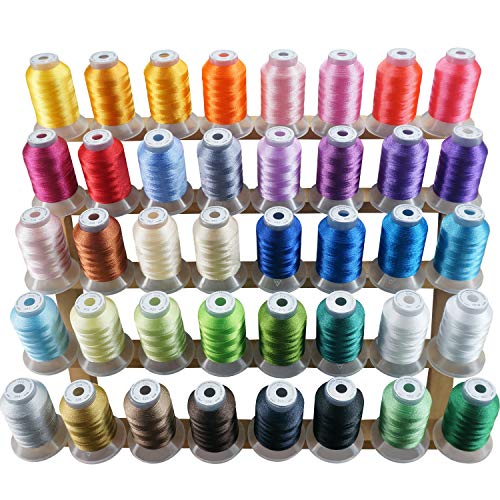
Machine embroidery is a cherished craft that allows creators to bring intricate designs to life with the help of modern technology. As the popularity of machine embroidery continues to grow, so does the variety of supplies available to artists and hobbyists alike. One of the most crucial components of this craft is the thread used in the embroidery process. With numerous machine embroidery thread brands on the market, selecting the right one can significantly impact the final outcome of your project. In this article, we will explore some of the top machine embroidery thread brands, their unique features, and tips for choosing the best thread for your embroidery needs.
Table of Contents
- Top Machine Embroidery Thread Brands
- Types of Machine Embroidery Threads
- How to Choose the Right Thread
- Care and Maintenance for Embroidery Threads
- Frequently Asked Questions
Top Machine Embroidery Thread Brands
When it comes to machine embroidery thread, several brands have established themselves as leaders in the industry. Each offers unique qualities that cater to different embroidery techniques and projects. Below are some of the top machine embroidery thread brands to consider.
1. Madeira
Madeira is a renowned name in the world of embroidery threads, known for its high-quality polyester and rayon threads. Their threads are celebrated for their vibrant colors and durability, making them ideal for both machine and hand embroidery.
2. Isacord
Isacord is another popular brand that focuses on polyester threads. Known for their strength and sheen, Isacord threads are versatile and suitable for various fabrics. Their color palette is extensive, providing ample choices for every embroidery design.
3. Sulky
Sulky threads are known for their innovation and versatility. They offer a range of threads, including rayon, polyester, and specialty threads. Sulky also provides stabilizers and other embroidery supplies, making it a one-stop shop for embroiderers.
4. Gutermann
Gutermann is a well-established brand in the sewing industry, and their embroidery threads are no exception. They offer high-quality threads made from both polyester and rayon, ensuring strong seams and beautiful stitches.
5. Aurifil
Aurifil is famous for its cotton threads, but they also produce fantastic embroidery threads. Their threads are known for their low lint, making them ideal for machine embroidery as they reduce the chance of thread breakage.
Types of Machine Embroidery Threads
Understanding the different types of machine embroidery threads can help you select the best option for your projects. Here are the most common types:
1. Polyester Thread
Polyester threads are durable and resistant to fading, making them suitable for items that will be washed frequently. They are also less prone to fraying and breakage, making them a popular choice among machine embroiderers.
2. Rayon Thread
Rayon threads are known for their shine and vibrant colors, making them ideal for decorative embroidery. However, they are less durable than polyester threads and may require more care during washing.
3. Cotton Thread
Cotton threads are preferred for quilting and some embroidery projects. They provide a natural look and feel and are available in a variety of weights. However, cotton is less durable than polyester and rayon, making it less suitable for high-wear items.
4. Metallic Thread
Metallic threads are perfect for adding a touch of sparkle to your embroidery. They can be more challenging to work with due to their tendency to fray and break, so it’s essential to use the right needle and settings when sewing with metallic threads.
5. Specialty Threads
This category includes various threads such as glow-in-the-dark, variegated, and textured threads. These unique options can add character and depth to your embroidery projects.
How to Choose the Right Thread
Selecting the right thread for your embroidery project is crucial to achieving the desired results. Here are some factors to consider when making your choice:
1. Project Type
Consider the purpose of your project. Will it be decorative, or will it experience frequent washing? For items that will be washed often, polyester threads are usually the best choice due to their durability.
2. Fabric Type
The type of fabric you are using will also influence your thread choice. For delicate fabrics, a finer thread may be more suitable, while heavier fabrics may require thicker threads for proper coverage.
3. Needle Size
Using the right needle size is essential for achieving clean stitches. Thicker threads may require larger needle sizes, while finer threads will need smaller needles. Always refer to the thread manufacturer’s guidelines for recommendations.
4. Color Palette
The color palette is a critical aspect of embroidery. Choose threads that complement your design and fabric. Many brands offer color cards that can help you visualize how different threads will look together.
Care and Maintenance for Embroidery Threads
Proper care and storage of your machine embroidery threads can prolong their lifespan and maintain their quality. Here are some essential tips:
1. Storage
Store your threads in a cool, dry place away from direct sunlight. Keeping them in their original spools or in a dedicated thread organizer can also prevent tangling and damage.
2. Avoid Humidity
Humidity can cause threads to degrade, leading to fraying and breakage. Consider using silica gel packets in your storage area to keep moisture at bay.
3. Cleaning
If threads become soiled, gently clean them according to the manufacturer’s instructions. Avoid using harsh chemicals that may damage the fibers.
4. Tension Settings
Ensure your machine’s tension settings are correctly adjusted for the type of thread you are using. Incorrect tension can lead to thread breakage or uneven stitches.
Frequently Asked Questions
A: The best thread varies based on project requirements, but polyester and rayon threads are popular choices for their strength and color vibrancy.
A: Ensure you are using the correct needle size, maintaining proper tension, and using high-quality thread to minimize breakage.
A: While you can use regular sewing thread, it is recommended to use threads specifically designed for embroidery to achieve the best results.
A: Store threads in a cool, dry place away from direct sunlight, and consider using a thread organizer to prevent tangling and damage.
Conclusion
Choosing the right machine embroidery thread brands is essential to achieving high-quality results in your projects. With a variety of options available, understanding the characteristics of different threads can help you make informed decisions. Whether you prefer the shine of rayon, the durability of polyester, or the unique touches of specialty threads, the right choice can elevate your embroidery work. Remember to consider factors like project type, fabric, needle size, and color palette to ensure your creations turn out beautifully. For more tips and resources, check out our article on the Top 5 Embroidery Machine Industrial Reviews for 2026, and explore stunning designs like the Daisy Design that can transform your projects. Happy embroidering!