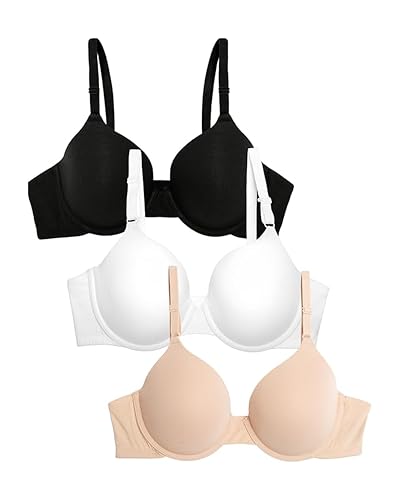

Choosing the right bra size can feel like a daunting task, especially with the vast array of sizes and styles available on the market today. Understanding how many sizes there are can help you find the perfect fit, ensuring comfort and support. With various brands and styles, the size you wear may differ significantly from one to another. In this guide, we will explore the multiple factors that influence bra sizes, including measurements, styles, and the various sizing systems used worldwide.
Table of Contents
- Understanding Bra Sizes
- Bra Sizing Systems
- How to Measure for a Bra
- Different Bra Styles
- Common Misconceptions About Bra Sizes
- FAQ
Understanding Bra Sizes
Bra sizes typically consist of two components: a number (the band size) and a letter (the cup size). The band size is a measurement around the ribcage, while the cup size indicates the volume of the breast. Together, these measurements provide a unique size that varies widely among women.
Factors Affecting Bra Size
Several factors can impact a woman’s bra size, including age, weight, hormonal changes, and pregnancy. As women go through life changes, their bodies evolve, and so do their bra sizes.
Band Size vs. Cup Size
Understanding the difference between band size and cup size is essential. The band size is represented by a number (e.g., 34, 36, 38), while the cup size is denoted by a letter (A, B, C, D, etc.). For example, a 34B bra means the band size is 34 inches, and the cup size is B.
Bra Sizing Systems
Different countries have their own systems for sizing bras, which can lead to confusion when shopping internationally. Here’s a breakdown of the most common sizing systems:
| Country | Band Size Example | Cup Size Example |
|---|---|---|
| United States | 34, 36, 38 | A, B, C, D |
| United Kingdom | 34, 36, 38 | A, B, C, D, DD, E |
| Europe | 75, 80, 85 | A, B, C, D, E, F |
| Australia | 12, 14, 16 | A, B, C, D, DD, E |
How to Measure for a Bra
Finding your correct bra size involves a simple two-step measurement process:
Step 1: Measure Your Band Size
Using a soft measuring tape, measure around your ribcage just under your bust. Make sure the tape is snug but not too tight. Round the measurement to the nearest whole number. If you get an even number, add four inches; if you get an odd number, add five inches. This total will be your band size.
Step 2: Measure Your Bust Size
Now, measure around the fullest part of your bust while wearing a non-padded bra. Make sure the tape is parallel to the floor. Round this number to the nearest whole number. To determine your cup size, subtract your band size from this measurement.
Different Bra Styles
Once you know your size, the next step is to explore the various styles of bras available. Different styles serve different purposes, and understanding them can help you choose the best bra for your needs.
Types of Bras
- Bra Types:
- Underwire Bras: Provide extra support and lift.
- Wireless Bras: Offer comfort without the wire.
- Sports Bras: Designed to minimize movement during physical activity.
- Bralettes: Lightly lined and often without support.
- Push-Up Bras: Enhance breast cleavage and shape.
Choosing the Right Style
Your choice of bra style should depend on your activities and preferences. For daily wear, comfort and fit should be prioritized, while for special occasions, you might want to opt for something more stylish or supportive.
Common Misconceptions About Bra Sizes
There are many myths surrounding bra sizing that can mislead consumers. Here are some common misconceptions:
Myth 1: Your Bra Size is the Same Across Brands
Each brand may have slight variations in sizing, so it’s essential to try on bras from different manufacturers.
Myth 2: A Smaller Band Size Means Smaller Breasts
Breast size is not solely determined by band size; cup size plays a significant role. A 34C is not the same as a 36B, even though the band size differs.
Myth 3: You Only Need One Size
Many women have different sizes for various styles of bras. For instance, a 34B in a sports bra may differ from a 34B in a push-up bra.
FAQ
A: It is recommended to get fitted every 6 to 12 months, especially if you experience weight changes or other physical changes.
A: Yes, if you find a smaller band size more comfortable, you may need to increase your cup size to maintain the same fit.
A: Yes, many brands offer bras specifically designed for larger cup sizes, providing better support and comfort.
Finding the right bra size is essential for comfort and support. With the right measurements, an understanding of different sizing systems, and knowledge of various bra styles, you can make informed decisions when shopping for bras. Remember, your bra size may change over time, so regular fittings are key to maintaining the best fit. Explore the styles available, and don’t hesitate to try different options to find what works best for you.