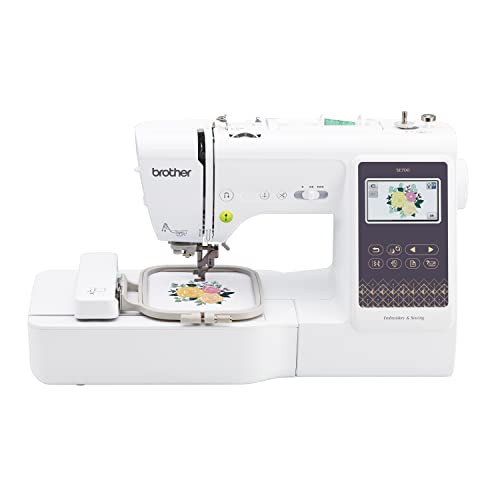
Choosing the right embroidery machine can be a daunting task, especially if you’re torn between two popular models like the Brother 830 and the Brother 900. Both machines offer impressive features and performance, but understanding their differences can help you make an informed decision that suits your embroidery needs. In this article, we’ll delve deep into the Brother 830 vs. Brother 900 embroider machines, comparing their specifications, features, and user experiences.
Table of Contents
- Overview of Brother 830 and Brother 900
- Key Features Comparison
- Performance Analysis
- Ease of Use
- Design and Build Quality
- Price and Value for Money
- User Reviews and Experiences
- Frequently Asked Questions
Overview of Brother 830 and Brother 900
The Brother 830 and Brother 900 are both part of the brand’s extensive line of embroidery machines, known for their reliability and user-friendly features. The Brother 830 is a versatile machine that appeals to beginners and intermediate users, while the Brother 900 offers advanced features that cater to more experienced embroiderers.
Key Features Comparison
Embroidery Area
The embroidery area is crucial for those who want to work on larger designs. The Brother 830 comes with a standard embroidery area of 4″x4″, which is suitable for most small to medium projects. In contrast, the Brother 900 boasts a larger embroidery area of 5″x7″, allowing for bigger and more intricate designs.
Built-in Designs and Fonts
Both machines come with a variety of built-in designs and fonts. The Brother 830 offers 138 built-in designs and 11 fonts, while the Brother 900 steps it up with 200 designs and 10 fonts. This expanded selection in the 900 model gives users more creative freedom.
| Feature | Brother 830 | Brother 900 |
|---|---|---|
| Embroidery Area | 4″x4″ | 5″x7″ |
| Built-in Designs | 138 | 200 |
| Built-in Fonts | 11 | 10 |
Editing Capabilities
Editing features are essential for customizing designs. The Brother 900 offers advanced editing capabilities, allowing users to adjust size, rotate, and combine designs directly on the machine’s touchscreen. The Brother 830, while still offering basic editing features, does not provide the same level of functionality.
Connectivity Options
In today’s digital age, connectivity options can enhance the user experience. The Brother 900 includes USB connectivity, enabling users to easily import designs from their computer. The Brother 830 lacks this feature, which may limit some users who wish to work with a wider range of design files.
Performance Analysis
Stitch Quality
When it comes to embroidery machines, stitch quality is paramount. Both the Brother 830 and Brother 900 deliver high-quality stitches, but some users have reported that the Brother 900 produces slightly more refined and consistent results. This can be attributed to its advanced technology and larger embroidery area, which allows for more intricate designs.
Speed
The Brother 900 operates at a faster speed than the Brother 830, with a maximum speed of 850 stitches per minute compared to the 830’s 650 stitches per minute. This efficiency can be particularly beneficial for those who work on larger projects or have tight deadlines.
Noise Level
Another aspect to consider is the noise level during operation. Both models are relatively quiet, but some users have noted that the Brother 900 runs quieter than the Brother 830, making it more suitable for home environments where noise may be a concern.
Ease of Use
User Interface
Both machines feature user-friendly interfaces, but the Brother 900’s touchscreen display is larger and more intuitive. This can make navigating through designs and settings easier for users of all skill levels. The Brother 830 also has a user-friendly interface but may feel a bit more dated by comparison.
Setup and Maintenance
Setting up both machines is straightforward, with clear instructions provided in the manuals. Maintenance is also relatively easy, with both models requiring regular cleaning and occasional oiling. However, the Brother 900’s advanced features may require users to familiarize themselves with additional settings for optimal performance.
Design and Build Quality
Portability
For those who attend classes or craft fairs, portability is key. The Brother 830 is slightly lighter than the Brother 900, making it easier to transport. However, both machines come with a sturdy build that ensures durability over time.
Aesthetics
While the aesthetics of a machine may not impact functionality, it can influence your workspace. Both models feature a sleek design, but the Brother 900 has a more modern look with its updated interface and design elements, appealing to users who prioritize style.
Price and Value for Money
Price is always a significant factor when deciding between two products. The Brother 830 is generally more affordable than the Brother 900, making it an attractive option for beginners or those on a budget. However, the additional features and capabilities of the Brother 900 may justify the higher price for more experienced users or those who plan to use the machine frequently.
| Model | Price Range | Value for Money |
|---|---|---|
| Brother 830 | $$ | Good for beginners |
| Brother 900 | $$$ | Excellent for advanced users |
User Reviews and Experiences
Brother 830 User Feedback
Many users appreciate the Brother 830 for its ease of use and reliable performance. It is often recommended for beginners who are just getting started in embroidery. Users have reported satisfaction with the machine’s stitch quality, although some wished for more built-in designs.
Brother 900 User Feedback
The Brother 900 has received praise for its advanced features and larger embroidery area. Experienced users love the editing capabilities and the ability to import designs via USB. However, some users have noted that it may have a steeper learning curve compared to the Brother 830.
A: The Brother 830 is generally considered better for beginners due to its user-friendly features and lower price point.
A: Yes, most embroidery software is compatible with both machines, but always check for specific requirements.
Frequently Asked Questions
A: If you plan to do a lot of embroidery and appreciate advanced features, the Brother 900 is likely worth the extra investment.
A: Yes, both models typically come with a warranty, but be sure to check the specifics with your purchase.
Conclusion
When comparing the Brother 830 vs. Brother 900, it’s clear that both machines have their strengths and cater to different user needs. The Brother 830 is an excellent choice for beginners or those on a budget, while the Brother 900 offers advanced features that can benefit more experienced embroiderers. Ultimately, the best choice will depend on your specific embroidery goals, budget, and how much you plan to use the machine. Whichever model you choose, both Brother machines come highly recommended for their reliability and performance in the world of embroidery.