Nylon-6,6 black dye is a critical component in the textile and manufacturing industries, particularly when it comes to producing high-quality fabrics and products. Understanding the properties, applications, and benefits of this dye can significantly enhance the performance and appeal of nylon-based items. In this article, we will delve into the characteristics of nylon-6,6 black dye, its uses, and essential considerations for working with it.
Table of Contents
- What is Nylon-6,6 Black Dye?
- Properties of Nylon-6,6 Black Dye
- Applications of Nylon-6,6 Black Dye
- The Dying Process
- Advantages and Disadvantages
- Safety Considerations
- Frequently Asked Questions
What is Nylon-6,6 Black Dye?
Nylon-6,6 is a type of synthetic polymer made from hexamethylenediamine and adipic acid, resulting in a highly durable and versatile material. The black dye used in nylon-6,6 is specifically formulated to provide a deep, rich color that remains stable under various conditions. This dye is commonly used in textiles, automotive interiors, and other products that require both aesthetic quality and functional durability.
Properties of Nylon-6,6 Black Dye
The properties of nylon-6,6 black dye contribute significantly to its popularity in various applications. Here are some key characteristics:
Colorfastness
Nylon-6,6 black dye exhibits exceptional colorfastness, meaning the color will not easily fade or wash out over time, even when exposed to sunlight or harsh cleaning agents.
Durability
This dye enhances the overall durability of the fabric, allowing it to withstand wear and tear without significant degradation.
Heat Resistance
Nylon-6,6 black dye is capable of enduring high temperatures, making it suitable for applications that involve heat exposure, such as automotive interiors.
Water Resistance
While the dye itself does not inherently provide water resistance, nylon-6,6 fabrics can be treated to enhance their water-repellent properties, making them ideal for outdoor and activewear.
Applications of Nylon-6,6 Black Dye
Nylon-6,6 black dye finds its way into a variety of applications across different industries:
Textiles and Apparel
From clothing such as activewear, swimsuits, and outerwear to accessories like bags and belts, nylon-6,6 black dye is favored for its deep color and durability.
Automotive Industry
In the automotive sector, this dye is used for upholstery, seat covers, and interior trim, providing a sleek aesthetic while withstanding wear and exposure to sunlight.
Industrial Applications
Nylon-6,6 black dye is also utilized in industrial applications, including ropes, nets, and other heavy-duty materials that require strength and longevity.
Home Furnishings
From carpets to curtains, nylon-6,6 black dye is used in home furnishings, offering a stylish look while ensuring resistance to stains and fading.
The Dying Process
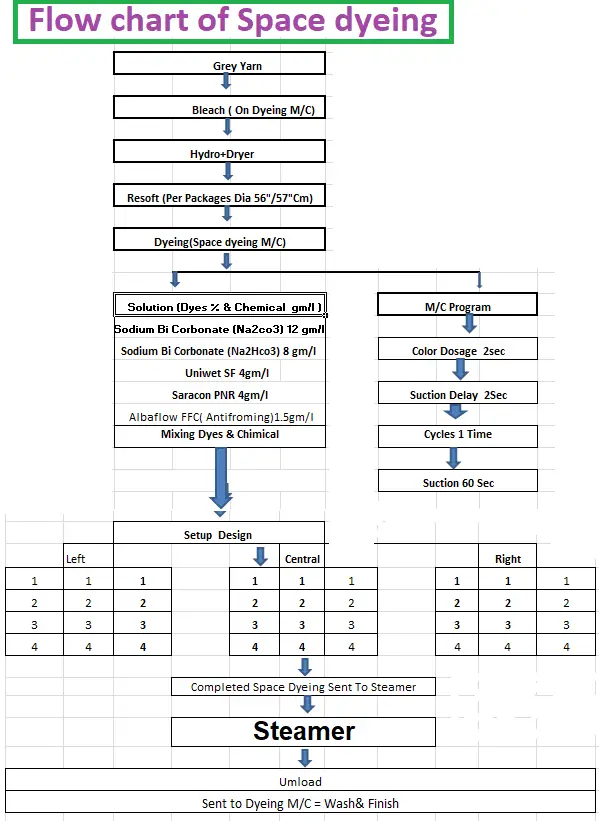
The dyeing process for nylon-6,6 involves several steps to ensure even coloring and adherence of the dye. Here’s a breakdown of the typical process:
Preparation
Before dyeing, the nylon fabric should be cleaned and pre-treated to remove any impurities that could affect dye absorption.
Dyeing Techniques
There are various methods to dye nylon-6,6, including:
- Jet Dyeing: Uses high-speed jets of dye solution to ensure even dyeing.
- Batch Dyeing: Involves immersing the fabric in a dye bath, allowing for controlled results.
- Continuous Dyeing: A process that allows for large volumes of fabric to be dyed quickly.
Post-Dye Treatment
After dyeing, the fabric should go through a post-treatment process to fix the dye and enhance durability. This may include rinsing and heat setting.
Advantages and Disadvantages
Like any material or dye, nylon-6,6 black dye has its advantages and disadvantages:
Advantages
- High Colorfastness: Retains color over time and through washing.
- Versatile Applications: Suitable for various industries.
- Durability: Strong and resistant to wear.
- Heat Resistance: Ideal for high-temperature environments.
Disadvantages
- Environmental Concerns: Production and disposal of synthetic dyes can pose environmental challenges.
- Cost: High-quality dyes can be more expensive than their natural counterparts.
Safety Considerations
Working with nylon-6,6 black dye requires adherence to safety protocols to protect both users and the environment:
Personal Protective Equipment (PPE)
Always wear appropriate PPE, including gloves, goggles, and masks, to prevent skin contact and inhalation of dye particles.
Ventilation
Ensure adequate ventilation in the workspace to avoid the buildup of fumes or dust from the dye.
Disposal
Follow local regulations for the disposal of dye waste to minimize environmental impact. Consider recycling options where available.
A: While specifically designed for nylon-6,6, some formulations may work on other synthetic fibers. Always test a small area first.
A: Use mild detergents, wash in cold water, and avoid bleach to maintain the vibrancy of nylon-6,6 black dye.
A: Although synthetic dyes often have environmental drawbacks, advances in dye technology are creating more eco-friendly options. Always check the manufacturer’s sustainability claims.
Frequently Asked Questions
A: Products range from clothing and upholstery to industrial materials and automotive interiors.
A: Nylon-6,6 generally offers better durability and heat resistance compared to other nylon types, making it a preferred choice for many applications.
A: Mixing dyes is possible, but it requires careful testing to ensure compatibility and desired results.
In conclusion, nylon-6,6 black dye is a significant choice for various industries, providing durability, aesthetic appeal, and versatility. By understanding its properties, applications, and the dyeing process, manufacturers and consumers can make informed decisions that enhance the quality and longevity of their nylon-based products. Always prioritize safety and sustainability when working with dyes to protect both users and the environment.