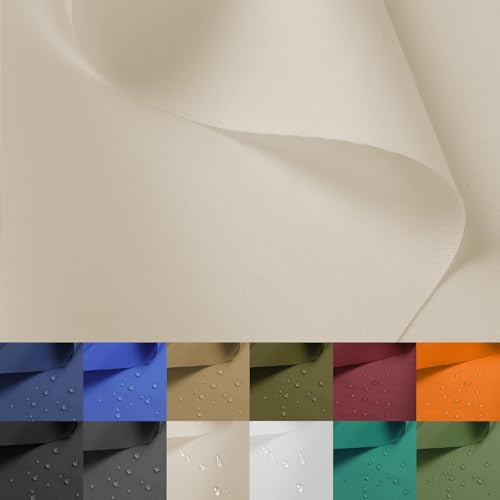
What Is Twill Material? Weave, Types and Uses Explained
Twill is a woven fabric structure recognised by diagonal ribs running across the cloth. Its fibre content, yarn size and finishing determine whether it becomes denim, chino, gabardine, drill or a soft fashion twill.

Quick answer
Twill material is a woven fabric with diagonal lines made by passing each weft yarn over and under two or more warp yarns in a repeating offset pattern. It is usually stronger, more drapable and less prone to wrinkling than plain weave, but its diagonal structure can twist or skew after washing.
Key takeaways
- Twill is a weave structure, not a fibre or one specific fabric.
- The offset interlacing pattern creates visible diagonal wales on the fabric face.
- Denim, chino, gabardine, drill and herringbone are common twill fabrics.
- Check twill direction, grain, weight and fibre content before cutting or sewing.
- A balanced cut, suitable needle and controlled pressing help prevent twisting and shine.
Contents10 sections
- What is twill material and how is it made?
- Why does twill fabric have diagonal lines?
- What are the main types of twill fabric?
- How can you identify twill material?
- How does twill compare with plain weave and satin?
- What should you check before buying twill fabric?
- How do you sew twill material successfully?
- What practical twill details do beginners miss?
- What are common twill mistakes and how do you fix them?
- FAQ
What is twill material? Twill material is fabric made with a twill weave: an offset over-and-under yarn pattern that forms diagonal ribs, called wales, across the surface. It is not one fibre or one fabric weight. Cotton denim, wool suiting, polyester workwear and silk fashion cloth can all use a twill structure.
Twill is valued because the weave can combine strength, a smoother hand and better drape than many plain-weave fabrics. Here we explain how the structure works, the main twill types, how to recognise and sew them, and the details that prevent skewed or shiny results.
What’s in this article10 sections
What is twill material and how is it made?
Twill material is a woven fabric in which the interlacing point moves by one or more yarns on each successive pick, producing a diagonal line. In weaving, lengthwise warp yarns sit under tension on the loom, while crosswise weft yarns are inserted through them. The planned lifting order of warp ends determines the weave.
A basic 2/1 twill, for example, has a weft yarn passing over two warp yarns and under one. On the next pick, that pattern shifts by one warp yarn. The repeated shift makes the diagonal wale. A 3/1 twill has longer floats, so it often shows a stronger face effect and can feel smoother or more flexible.
The numbers describe weave repeat, not fabric weight. A lightweight 120 GSM rayon twill and a 400 GSM cotton drill can both be twills, despite behaving very differently at the sewing machine and in wear.
Unlike plain weave, where every yarn alternates over one and under one, twill has fewer interlacings per area. That generally lets yarns move slightly more easily, which improves drape. The longer floats can also make a twill more susceptible to abrasion or snagging when very fine yarns are used.
For a broader map of constructions and fibre-based names, see our fabric types and specifications guide.
Why does twill fabric have diagonal lines?
Twill fabric has diagonal lines because each row of interlacing shifts sideways from the row before it. The eye follows the aligned yarn floats as a diagonal ridge or wale. The angle varies with the weave repeat, yarn density and how much the fabric has shrunk or been finished.
Many twills run from lower left to upper right when viewed on the face; this is called right-hand twill or Z twill. A line rising from lower right to upper left is left-hand twill or S twill. Neither direction is automatically better, but consistent direction matters when cutting garment panels that sit next to each other.
Some fabrics deliberately reverse the direction at intervals. Herringbone creates a zigzag by changing from Z to S twill, while broken twill interrupts the regular diagonal. Both reduce the obvious continuous wale and are often chosen for visual effect or to limit the characteristic leg twist seen in some denim garments.
- Surface
- Twill: Diagonal ribs
- Plain weave: Flat grid
- Float length
- Twill: Usually longer
- Plain weave: Very short
- Drape
- Twill: Usually softer
- Plain weave: Usually firmer
- Wrinkling
- Twill: Often less visible
- Plain weave: Often more visible
- Skew risk
- Twill: Higher
- Plain weave: Lower
- Typical examples
- Twill: Denim, gabardine
- Plain weave: Poplin, calico
Weave structure changes the surface, drape and typical behaviour.
What are the main types of twill fabric?
The main types of twill fabric differ by weave repeat, yarn choice, fibre and finishing. A trade name alone is not enough to predict performance: two fabrics sold as chino twill may have very different stretch, shrinkage, colourfastness and weight.
| Type | Usual construction | Typical feel and use | What to check |
|---|---|---|---|
| Denim | Often cotton 3/1 twill with dyed warp | Durable jeans, jackets and bags | Weight, stretch fibre, crocking and shrinkage |
| Chino twill | Usually cotton or cotton blend twill | Medium-weight trousers, skirts and uniforms | GSM, stretch direction and crease resistance |
| Gabardine | Fine, tightly packed steep twill | Clean suiting, coats and tailored pieces | Fibre content, shine and needle marks |
| Drill | Coarse, firm cotton twill | Workwear, aprons and utility sewing | Thickness, seam bulk and colour bleed |
| Herringbone | Twill direction reverses repeatedly | Jackets, furnishing and decorative workwear | Pattern matching and directional layout |
| Rayon twill | Filament or spun rayon twill | Fluid dresses, blouses and linings | Wet strength, fraying and care label |
Fibre has a large effect. Cotton twill is absorbent and usually easy to press, but it can shrink unless it has been sanforized or prewashed. Polyester twill dries quickly and holds a crease well, but high iron heat can create permanent shine or melt the surface. Wool twill can recover well from creasing, while rayon twill often drapes beautifully but can distort when wet.
How can you identify twill material?
You can identify twill material by finding regular diagonal wales rather than the square, checker-like structure of a plain weave. Use good side lighting and inspect a section at least 10 cm wide; very fine twills are easier to see when the cloth is held at a shallow angle.
- Lay the fabric flat without pulling it on the bias.
- Look for parallel diagonal lines across the face.
- Turn it over. One face may show stronger or longer floats than the reverse.
- Follow a single line across the width. A true twill pattern continues in a regular direction unless it is herringbone or broken twill.
- Read the fibre and care label. Weave identification cannot tell you whether a cloth is cotton, polyester or a blend.
Do not confuse a printed diagonal stripe with a twill weave. On a print, the design may be diagonal but the yarn interlacing can still be plain weave. Look closely enough to see the yarn structure, not just the colour pattern.
- Lay it flatSmooth the cloth without stretching.
- Find diagonal ribsLook for repeated sloping lines.
- Check both facesOne side often looks more defined.
- Follow one waleIt should run consistently across fabric.
- Check the labelConfirm fibre content and GSM.
Use the face, reverse and grain before deciding what you have.
How does twill compare with plain weave and satin?
Twill sits between plain weave and satin in float length and surface definition. Plain weave has the most frequent interlacings, giving stable but often firmer cloth. Satin uses long floats and has a smooth, lustrous surface, while twill retains visible structure and generally offers more robustness than a comparable satin.
A twill usually hides dirt and small wrinkles better than plain weave because the diagonal texture breaks up reflections. It may also fray less dramatically at a raw edge than a loose plain weave, but this depends more on yarn twist, density and fibre than on the weave name alone.
The trade-off is distortion. Twill tends to be more responsive on the bias and can shift during cutting. In trousers, a continuous twill direction can contribute to a spiralling leg seam after repeated laundering if the fabric was not well balanced, relaxed and cut on grain.
What should you check before buying twill fabric?
Before buying twill, check the fibre content, GSM, usable width, stretch and care instructions rather than relying on the word “twill.” These details tell you whether the fabric suits a structured bag, trousers, a flowing dress or upholstery accents.
- Weight: Compare GSM with your pattern recommendation. A 200 GSM twill will not behave like a 350 GSM workwear drill.
- Stretch: Measure a 10 cm section without forcing it. If it stretches, identify whether the stretch runs across, along or diagonally to the selvage.
- Recovery: Let the stretched section rest. Poor recovery can produce baggy knees, elbows or seat areas.
- Opacity: Hold it to light, especially for pale trousers or skirts. Twill ribs can look dense while the cloth is still see-through.
- Colour transfer: Rub a white cloth over deeply dyed fabric when practical. Dark indigo and pigment finishes can rub off, especially before laundering.
- Direction: Decide whether all pieces should run with the wale in one direction. Reversing panels can make colour and light reflection look different.
If you cannot inspect in person, ask the seller for fibre percentage, GSM, stretch percentage, recommended care and a close photograph of both sides. Buy enough for a prewash sample and allow extra length for directional cutting or pattern matching.
How do you sew twill material successfully?
You sew twill material successfully by stabilising the grain, matching needle and thread to the weight, and preventing layers from shifting. The correct setup varies more by fibre and GSM than by the fact that the fabric is twill.
Prepare and cut accurately
Prewash washable twill as you plan to wash the finished item, unless the supplier specifically says otherwise. This reveals shrinkage, dye loss and torque before your seams are sewn. Follow the care label, and use a ventilated space when working with any finishing chemicals.
Let washed cloth dry and rest flat before cutting. Align the selvages without pulling them together; forcing bowed or skewed fabric into a rectangle can put every pattern piece off grain. A rotary cutter, sharp shears and pattern weights reduce shifting on soft rayon or stretch twill.
Keep grainlines parallel to the selvage, not merely parallel to a cut edge. For trouser legs, cut both legs with the same twill direction and mirror the pattern pieces as instructed. Mark notches with small clips inside the seam allowance rather than deep cuts that can weaken a tightly woven edge.
Set up the machine
Start with a fresh universal needle for ordinary cotton or polyester twill. A 80/12 needle often suits medium-weight clothing twill; heavier drill may need 90/14 or 100/16, while fine rayon twill may sew better with 70/10 or 80/12. These are starting points, so make a seam sample using the actual layers.
Use an all-purpose polyester thread for most garments because it has useful strength and slight give. Increase stitch length from about 2.5 mm to 3.0 mm for bulky twill, topstitching or multiple layers; overly short stitches can perforate dense cloth and make unpicking difficult.
A walking foot or even-feed foot helps when the upper layer creeps forward over the lower one. If your machine has adjustable presser-foot pressure, reduce it slightly for soft twill that develops feed marks or waviness. Do not reduce it so far that the fabric stops feeding consistently.
Press without damaging the surface
Press twill with the fibre-appropriate iron setting and a press cloth, especially on dark cotton, polyester and wool blends. Twill ridges can develop shiny pressure marks when the iron is hot or held too firmly. Test a scrap first, and follow the fabric care label.
Press seams from the wrong side where possible. Use a seam roll or tailor’s ham for curved seams so the seam allowance does not imprint through to the face. Let each area cool flat before moving it; this helps the yarns set in their new position.
What practical twill details do beginners miss?
The details beginners miss are twill direction, fabric torque, seam bulk and uneven light reflection. These are small before cutting but very noticeable in finished trousers, jackets and bags.
First, twill can look like two different shades when adjacent pieces run in opposite directions. This is not always a dye mismatch. The diagonal ribs reflect light differently, particularly in dark navy, black, olive and fabrics with a brushed finish. Lay all pattern pieces in the same direction unless your design intentionally uses contrast.
Second, seam allowances build up quickly. A flat-felled seam in 300 GSM denim can contain three or more layers, and intersecting seams can contain far more. Grade seam allowances, use a hump jumper when crossing thick points, and test whether your machine can form balanced stitches through the actual stack.
Third, wash-induced skew is real. Cotton yarns swell when wet, and the diagonal structure has a natural tendency to move under wet processing and drying. Industrial fabrics may be mechanically straightened before sale, but home laundering can still reveal torque. Prewashing and careful grain alignment reduce the risk; they cannot make every twill perfectly stable.
What are common twill mistakes and how do you fix them?
Common twill mistakes are cutting off grain, stretching while sewing, using the wrong needle, and pressing too aggressively. Correcting them starts with a sample seam and a grain check before you cut all garment pieces.
If a trouser leg twists after the first wash, first check whether the side seam is spiralling around the leg. Minor twist may improve with damp reshaping and drying flat, but significant torque usually comes from fabric skew or off-grain cutting and is difficult to remove permanently after construction.
If the top layer ends longer than the lower layer, do not pull the pieces into alignment at the end. Unpick the affected section, baste or pin more frequently, and use an even-feed foot. On fluid twill, tissue paper under the seam can also support feeding; tear it away carefully after sewing.
Most problems come from grain, feeding or excessive heat.
FAQ
Is twill material cotton?
Twill material is not automatically cotton. Twill describes the weave pattern, while cotton, polyester, wool, rayon and blends describe the fibre content. Check the fabric label or product specification for the exact fibre percentages.
Is twill fabric good for summer?
Lightweight cotton, linen-blend or rayon twill can work well for summer clothing, especially when it is loose enough to allow airflow. Heavy denim, drill and tightly woven polyester twill can feel warm because of their weight and density. Check GSM and fibre content rather than choosing by weave alone.
Does twill fabric fray?
Yes, twill can fray at cut edges, although a dense twill may fray more slowly than a loose plain weave. The amount depends on yarn twist, fabric density and fibre. Finish seams with overlocking, zigzag stitching, binding or another suitable seam finish.
What is the difference between twill and denim?
Twill is a general weave structure, while denim is a specific type of twill fabric. Traditional denim uses indigo-dyed warp yarns and undyed weft yarns, often in a 3/1 construction. Not every twill is denim, and denim can vary widely in fibre content, weight and stretch.
Does twill stretch?
Standard woven twill has limited mechanical give, mostly on the bias, but it does not stretch like knit fabric. Twill containing elastane can stretch across the width, length or both directions depending on its construction. Test the fabric and check the stated stretch percentage before choosing a pattern.
Which side of twill fabric is the right side?
The right side is usually the face with the clearer diagonal wale, smoother appearance or intended colour effect. In some balanced twills, both sides look similar. Check the selvage, supplier information and any printed or finished surface before cutting.
The one thing to remember: twill is a diagonal weave structure, not a guaranteed fibre, weight or quality level. Read the specification, inspect the wale direction, prewash when appropriate, and cut carefully on grain to get the performance you expect.