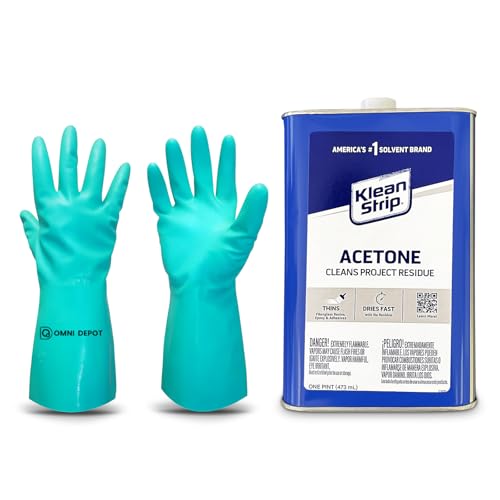

Acetone is a powerful solvent widely recognized for its effectiveness in dissolving various substances, including dyes. As a colorless and volatile liquid, its utility in the dyeing industry and various crafts has made it a staple for artists, manufacturers, and DIY enthusiasts alike. Whether you’re looking to create vibrant colors for fabric, remove stains, or clean tools, understanding how to effectively use acetone as a solvent for dyes can enhance your projects and ensure the best results.
What is Acetone?
Acetone, chemically known as propan-2-one, is a colorless, flammable liquid with a characteristic sweet odor. It is a simple ketone and is commonly used in various industrial and household applications. Acetone is highly miscible with water and can dissolve a wide range of organic compounds, making it an ideal solvent in many processes, including dyeing.
Properties of Acetone
The effectiveness of acetone as a solvent is largely due to its unique physical and chemical properties:
| Property | Value |
|---|---|
| Molecular Formula | C3H6O |
| Boiling Point | 56°C (132.8°F) |
| Density | 0.7845 g/cm³ |
| Solubility in Water | Miscible |
| Vapor Pressure | 180 mmHg at 20°C (68°F) |
These properties enable acetone to effectively penetrate and dissolve dyes, facilitating their application on various materials.
Uses of Acetone in Dyeing
Acetone serves multiple roles in the dyeing process:
- Dissolution of Dyes: Acetone can dissolve both natural and synthetic dyes, allowing for easier application and mixing.
- Colorfastness: Using acetone can help achieve more vibrant and long-lasting colors on fabrics.
- Cleaning: Acetone is often used to clean tools, such as brushes and containers, after dye application.
- Stain Removal: It can effectively remove dye stains from various surfaces, including skin and fabrics.
How to Use Acetone for Dyes
Using acetone as a solvent for dyes involves several steps to ensure optimal results. Here’s a detailed guide:
Step 1: Gather Your Materials
Before starting, gather all necessary materials:
- Acetone (available at hardware stores or online)
- Dyes (ensure compatibility with acetone)
- Containers for mixing
- Protective equipment (gloves, goggles)
- Application tools (brushes, sponges)
Step 2: Prepare Your Workspace
Ensure you are working in a well-ventilated area, as acetone fumes can be harmful. Use protective gear such as gloves and goggles to protect your skin and eyes from accidental splashes.
Step 3: Mix the Dye with Acetone
In your mixing container, combine the dye with a small amount of acetone. Start with a ratio of 1:1 and adjust based on the desired color intensity. Stir the mixture thoroughly to ensure even distribution.
Step 4: Apply the Dye
Using your application tool, apply the dye mixture onto the fabric or surface. Work in sections to maintain control over the application and achieve consistent results.
Step 5: Allow to Dry
After application, allow the dye to dry completely. This may take several hours depending on the thickness of the application and environmental conditions.
Step 6: Clean Up
After completing your dyeing project, clean your tools with acetone to remove any residual dye. Dispose of acetone safely according to local regulations.
Safety Precautions When Using Acetone
While acetone is a versatile solvent, it is essential to handle it with care. Here are crucial safety precautions to follow:
- Ventilation: Always work in a well-ventilated area to minimize inhalation of fumes.
- Protective Gear: Wear gloves and goggles to protect your skin and eyes.
- Flammability: Keep acetone away from open flames and heat sources, as it is highly flammable.
- Storage: Store acetone in a cool, dry place away from direct sunlight and out of reach of children and pets.
Alternatives to Acetone
If acetone is not suitable for your project or if you prefer to use a less volatile solvent, there are several alternatives available:
- Isopropyl Alcohol: A common alternative that can dissolve certain dyes effectively and is less aggressive than acetone.
- Denatured Alcohol: Often used in dyeing processes, particularly with wood stains.
- Water-Based Solvents: For natural dyes, water-based solvents can be an effective and safer choice.
A: Yes, acetone can be effective in removing dye stains, but always perform a patch test first to ensure it does not damage the fabric.
A: No, acetone can damage certain fabrics, especially synthetic ones. Always check fabric compatibility before use.
A: Store acetone in a cool, dry place away from heat sources and direct sunlight, in a tightly sealed container.
FAQ
A: Acetone works well with many synthetic dyes, especially those used for fabric dyeing. Always check the dye’s compatibility with acetone.
A: Acetone can sometimes alter the texture of certain fabrics, particularly synthetic ones. It’s important to conduct a patch test first.
A: Mixing solvents can be risky and should only be done with appropriate knowledge of chemical interactions. Consult safety data sheets for specific guidance.
In conclusion, acetone is an incredibly effective solvent for dyes, offering advantages in terms of color vibrancy and application ease. However, it is crucial to understand its properties, uses, and safety precautions to ensure a successful dyeing experience. By utilizing acetone properly, you can achieve stunning results in your dyeing projects while maintaining safety and health standards. With informed practices, acetone can be a valuable ally in your crafting and dyeing endeavors.