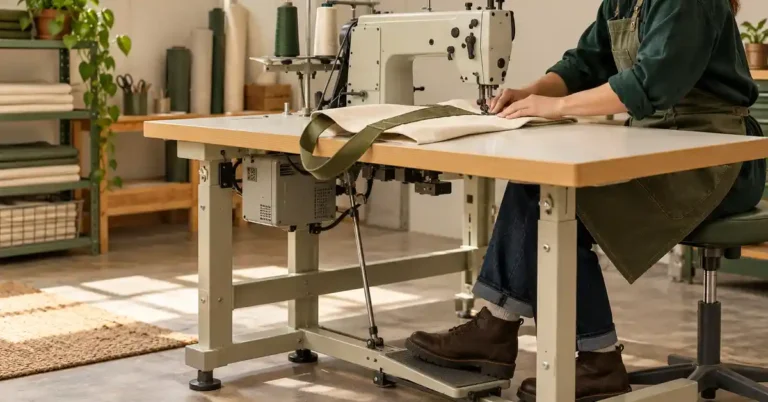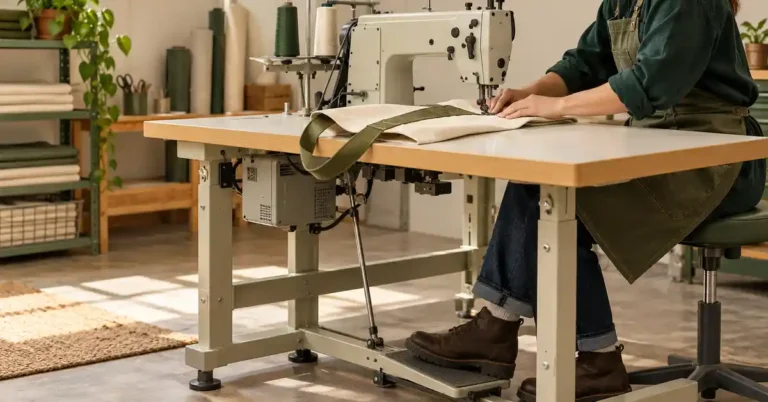

When it comes to sewing and embroidery, maintaining your sewing machine is crucial for ensuring its longevity and optimal performance. While many crafters rely on traditional sewing machine oil, there are various alternatives that can provide similar benefits without the potential drawbacks of conventional oils. In this article, we will explore these alternatives, their effectiveness, and how to use them properly to maintain your sewing machine and enhance your crafting experience.
Why Look for Alternatives to Sewing Machine Oil?
Many traditional sewing machine oils are mineral-based and can sometimes leave residue, attract dust, or even become overly viscous. Additionally, some users may have concerns about the environmental impact of synthetic oils or allergens associated with specific oils. Exploring alternative lubricants can be beneficial for several reasons:
- Natural Options: Many alternatives are derived from natural sources, making them more environmentally friendly.
- Less Residue: Some alternatives leave less residue on your machine, helping to keep it cleaner.
- Cost-Effective: Certain alternatives can be more affordable and readily available than specialized sewing machine oil.
Popular Alternatives to Sewing Machine Oil
Mineral Oil
Mineral oil is a widely used alternative for sewing machine lubrication. It is a clear, odorless oil that is effective in reducing friction and preventing wear on machinery. Many household products contain mineral oil, making it easily accessible.
Coconut Oil
Coconut oil has gained popularity not only in kitchens but also in sewing rooms. It is a natural alternative that provides excellent lubrication. However, it is essential to use it sparingly, as it can solidify if stored in cooler temperatures.
Silicone Spray
Silicone spray is another effective alternative that helps reduce friction and protect metal parts from rust. It can penetrate tight spaces and is often used in various applications, including automotive and household maintenance.
3-in-1 Oil
3-in-1 oil is a versatile lubricant that is commonly used for household tasks. It is effective in lubricating sewing machines, providing protection against rust and corrosion, and cleaning away grime. Its multi-purpose nature makes it a convenient option for many crafters.
How to Use These Alternatives
Using an alternative to sewing machine oil involves a few simple steps. Here’s how you can effectively apply these alternatives to maintain your sewing machine:
- Prepare Your Machine: Unplug your sewing machine and ensure it is clean and free of dust and debris. This can prevent any particles from interfering with the lubrication process.
- Choose the Right Alternative: Based on your preference and availability, select one of the alternatives discussed above.
- Apply Sparingly: Use a few drops of the chosen lubricant on the machine’s moving parts. For oils like coconut oil, make sure not to over-apply.
- Run the Machine: After applying the lubricant, run your machine for a few minutes without fabric to ensure the oil is evenly distributed and any excess is expelled.
- Wipe Off Excess: Use a clean, lint-free cloth to wipe off any excess lubricant, especially if using oil alternatives that can leave residue.
Maintenance Tips for Your Sewing Machine
Regular maintenance is key to keeping your sewing machine in top condition. Here are some practical tips to help you care for your machine:
- Regular Cleaning: Clean your machine regularly to remove lint and dust that can accumulate during sewing.
- Check the Bobbin Area: Ensure the bobbin area is free of debris, as this can affect stitch quality.
- Change Needles Frequently: Using a dull needle can cause unnecessary strain on your machine, so replace it regularly.
- Store Properly: When not in use, cover your machine to keep dust and debris at bay.
FAQ
A: While olive oil is a natural lubricant, it can become sticky over time and attract dirt. It is generally not recommended for sewing machines.
A: It depends on usage. If you sew regularly, consider lubricating your machine every 4-6 weeks. If used less frequently, check your manual for specific recommendations.
A: If you suspect you’ve used an unsuitable oil, clean the affected areas with a lint-free cloth and consider running your machine without fabric to help remove excess oil. Consult your manual for any specific cleaning recommendations.
In conclusion, exploring alternatives to traditional sewing machine oil can enhance your sewing experience and contribute to the longevity of your machine. Whether you choose mineral oil, coconut oil, silicone spray, or 3-in-1 oil, each offers unique benefits that can keep your machine running smoothly. Remember to follow proper maintenance practices and always refer to your machine’s guidelines for the best results. For more sewing inspiration, check out our articles on Beautiful Floral Patterns for Hand Embroidery Projects, or explore Blossoming Creativity: Top Flower Embroidery Designs. Happy sewing!