Amazon Dyes
On this page
When it comes to crafting and DIY projects, the right dye can transform a simple fabric or craft item into something truly spectacular. Among the most popular sources for dyes is Amazon, which offers a wide array of options to suit every need. From natural dyes to synthetic ones, the marketplace provides endless possibilities for artists, crafters, and hobbyists alike. In this article, we will explore the various types of Amazon dyes available, how to choose the right one for your project, and tips for proper usage.
Table of Contents
- Types of Amazon Dyes
- How to Choose the Right Dye
- Application Techniques
- Safety Considerations
- Common Uses for Dyes
- FAQ
Types of Amazon Dyes
The variety of dyes available on Amazon can be overwhelming. Understanding the types of dyes and their respective properties can help you make a more informed decision.
Natural Dyes
Natural dyes are derived from plants, insects, and minerals. They are often favored for their eco-friendliness and unique color variations.
Synthetic Dyes
Synthetic dyes are chemically manufactured and often provide more vibrant colors and greater consistency than natural dyes. They are widely used in textiles and crafts.
Fabric Dyes
Amazon offers a variety of fabric dyes specifically designed for different types of fabrics, such as cotton, polyester, and silk. Each dye has its own application method and colorfastness properties.
Food Dyes
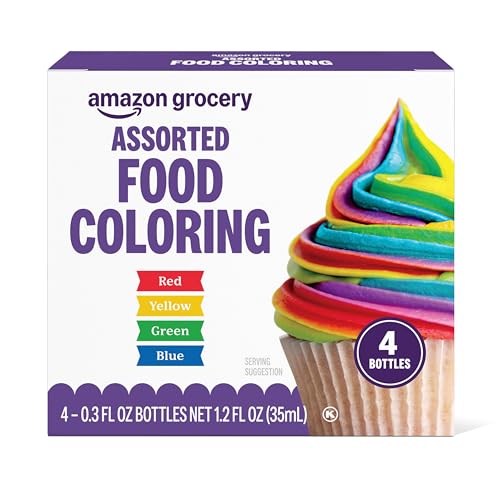
Food dyes are also available for edible projects, such as cake decorating and candy making. These dyes are safe for consumption and come in various colors.
How to Choose the Right Dye
Choosing the right dye involves considering several factors, including the type of material you are dyeing, the desired color, and the project’s specific requirements.
Material Compatibility
Different dyes work better with certain materials. For example, fiber-reactive dyes are excellent for cotton, while acid dyes work well with protein fibers like wool and silk.
Desired Color and Finish
Consider the final look you want to achieve. Some dyes yield vibrant colors, while others provide softer, more muted shades. Pay attention to color charts and reviews on Amazon to gauge the outcome.
Application Method
Investigate how the dye is applied. Some dyes require boiling, while others can be used in a washing machine or even as a spray. Choose one that fits your skill level and equipment.
| Dye Type | Best For | Application Method |
|---|---|---|
| Natural Dyes | Cotton, wool, silk | Simmering, soaking |
| Synthetic Dyes | All fabrics | Machine, hand application |
| Food Dyes | Edible items | Mixing, spraying |
Application Techniques
Once you have chosen your dye, it’s essential to understand the best techniques for application to achieve the desired results.
Prepping Your Fabric
Before dyeing, always wash your fabric to remove any finishes or dirt. Pre-soaking in a mordant solution can enhance color absorption for natural dyes.
Dye Application Methods
There are several methods to apply dye, including:
- Immersion Dyeing: Submerging the fabric in dye solution, suitable for achieving an even color.
- Shibori: A Japanese tie-dye technique that involves folding and binding fabric before dyeing.
- Spray Dyeing: Using a spray bottle for a more controlled and artistic effect.
Safety Considerations
While dyeing can be a fun and creative process, safety should always be a priority. Here are some important precautions to keep in mind.
Protective Gear
Always wear gloves and an apron to protect your skin and clothes from staining. Safety goggles are also advisable to protect your eyes from splashes.
Ventilation
Use dyes in a well-ventilated area, especially when working with synthetic dyes that may emit fumes. Outdoor spaces or well-ventilated rooms are ideal.
Common Uses for Dyes
Dyes can be used in a variety of projects, making them versatile tools for crafters and artists. Here are some common applications.
Textile Dyeing
Textile dyeing is perhaps the most obvious use, allowing you to create custom clothing, home décor, and accessories. Popular techniques include tie-dye, batik, and ombre.
Crafting
Dyes can enhance various craft projects, from paper crafting to wood staining. Consider using fabric dyes on paper for unique, colorful backgrounds.
Food and Beverage Coloring
Food dyes are essential in culinary arts, adding color to baked goods, candies, and drinks. They can be used to create visually appealing presentations.
FAQ
A: Yes, natural dyes are generally safe, but always conduct a patch test to check for allergies and follow proper instructions.
A: Food dyes can be used for fabric, but they may not be as colorfast as other dyes. They are better suited for temporary projects.
A: Setting the dye typically involves rinsing the dyed fabric in cold water and using a vinegar solution for natural dyes or heat setting for synthetic dyes.
A: Store leftover dye in a sealed container in a cool, dark place. Be sure to label the container with the dye type and date.
In conclusion, the world of Amazon dyes is vast and filled with options that cater to various artistic needs. Whether you choose natural or synthetic dyes, understanding the types, application techniques, and safety precautions will help you achieve stunning results in your projects. With the right knowledge and tools, you can unleash your creativity and make beautiful, colorful items that reflect your personal style.