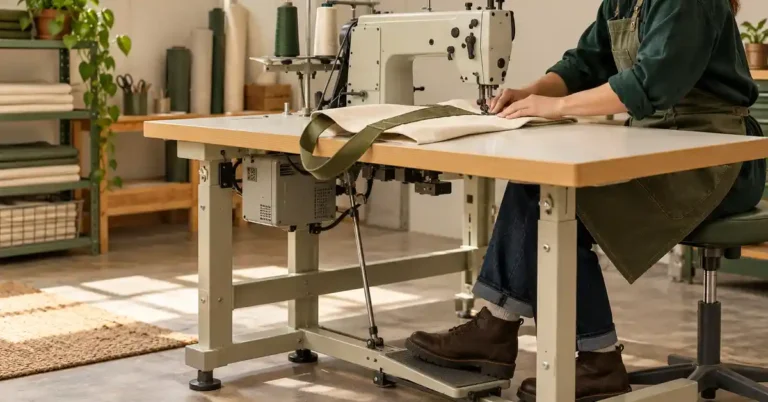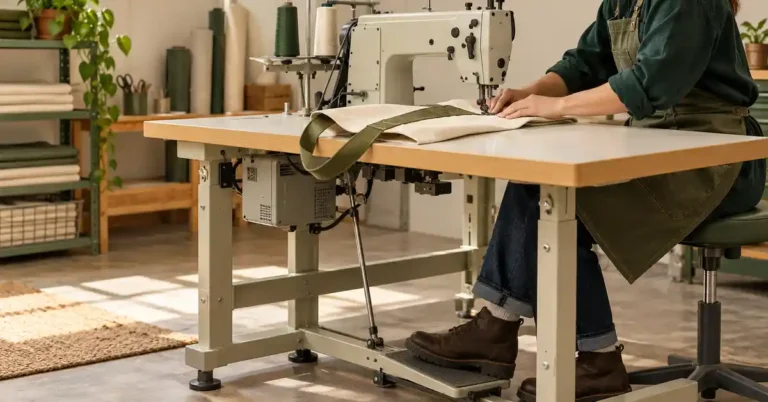

Antique Singer sewing machines are more than just tools for stitching fabric; they represent a rich history of craftsmanship and innovation in the textile industry. For collectors and enthusiasts alike, understanding the significance of serial numbers on these machines is crucial. Serial numbers not only help in dating and identifying the specific model of a Singer sewing machine but also provide insights into its manufacturing details and historical context. In this article, we will delve into the world of antique Singer sewing machines, focusing on how to decipher serial numbers and what they mean for collectors and sewing aficionados.
Understanding Singer Sewing Machine Serial Numbers
Serial numbers are unique identifiers assigned to each Singer sewing machine, allowing for precise tracking of its history and specifications. These numbers can reveal a wealth of information, including the model, the year of manufacture, and sometimes even the place of production. Singer sewing machines have been produced since the mid-19th century, and the way these serial numbers are formatted has evolved over time.
The Importance of Serial Numbers
For antique collectors, serial numbers are more than just numbers; they are keys to unlocking the story behind each machine. Different series of serial numbers correspond to different periods in Singer’s history, which can help enthusiasts understand the context and rarity of their machines. Knowing the model and year can also affect the machine’s value significantly.
How to Locate Serial Numbers on Antique Singer Sewing Machines
Finding the serial number on your Singer sewing machine can vary depending on the model and the year it was manufactured. Here are some common locations where you can find the serial number:
- On the Base: Many older models have the serial number stamped on the base of the machine.
- Inside the Arm: For some models, the serial number can be found inside the arm or on the underside of the machine.
- On the Bed of the Machine: Some models feature the serial number on the bed or throat plate.
- On the Motor: If the machine has been retrofitted with a motor, the motor may also have a serial number.
Dating Your Antique Singer Sewing Machine
Once you locate the serial number, the next step is to determine the age of your Singer sewing machine. The Singer Company has a comprehensive database that correlates serial numbers with manufacturing dates. Here’s a simplified way to understand how to date your machine:
| Serial Number Range | Year of Manufacture |
|---|---|
| 1 to 999999 | 1851 – 1889 |
| 1000000 to 1999999 | 1890 – 1909 |
| 2000000 to 2999999 | 1910 – 1929 |
| 3000000 to 3999999 | 1930 – 1949 |
| 4000000 and above | 1950 and beyond |
Using the serial number, you can look up the corresponding year of manufacture. This information can help you ascertain the historical relevance and potential value of the machine.
Common Models and Their Features
Throughout its history, Singer has produced numerous iconic models, each with unique features. Here are some of the most notable antique Singer sewing machine models:
Singer 201
The Singer 201 is often regarded as one of the best sewing machines ever made. Known for its durability and versatility, this model was produced from 1935 to 1965. It features a powerful motor, all-metal construction, and a variety of stitch options. The 201 is particularly favored by quilters and those who sew heavy fabrics.
Singer Featherweight 221
The Featherweight 221, introduced in 1933, is a beloved model among sewing enthusiasts for its portability and ease of use. Weighing just 11 pounds, it features a simple design and produces a beautiful straight stitch. Its compact size makes it perfect for classes or travel.
Singer 404
Produced in the 1950s, the Singer 404 is a slant needle model that offers a range of stitch options. It is known for its ability to sew through multiple layers of fabric, making it ideal for garment construction. The 404 also features a built-in zigzag stitch, which was innovative for its time.
Other Notable Models
- Singer 12: Produced in the late 1800s, known for its ornate design.
- Singer 15: A popular model from the 1910s and 1920s, still sought after today.
- Singer 66: Known as the “Red Eye” model, popular in the early 20th century.
Restoration and Value of Antique Singer Sewing Machines
Restoring an antique Singer sewing machine can be a rewarding endeavor, but it requires careful consideration. Restoration can increase the machine’s value, but it’s important to balance restoration with preservation. Here’s what you need to consider:
Assessing the Condition
Before starting any restoration work, assess the machine’s condition. Look for the following:
- Mechanical Function: Does the machine run smoothly? Are there any missing parts?
- Cosmetic Condition: Is the paint chipped or rusted? Are decals intact?
- Original Parts: Are all parts original? Modifications can decrease value.
Restoration Process
The restoration process can include cleaning, oiling, replacing worn parts, and polishing surfaces. Here are some steps to follow:
- Clean: Use a soft cloth to clean the exterior. Avoid harsh chemicals.
- Oil: Apply sewing machine oil to moving parts to ensure smooth operation.
- Repair: Replace any broken or missing parts with original or compatible pieces.
Determining Value
The value of an antique Singer sewing machine can vary widely based on several factors:
- Model: Rarer models tend to be more valuable.
- Condition: Machines in good working condition with original parts command higher prices.
- Market Demand: Trends in the collector’s market can influence value.
Frequently Asked Questions
A: You can find the value by researching similar models online, consulting antique sewing machine dealers, or attending appraisal events.
A: It can be worth restoring if the machine is rare or has sentimental value. However, consider the cost of restoration versus the potential increase in value.
A: Parts can be purchased from specialty sewing machine shops, online marketplaces, and dedicated Singer sewing machine restoration websites.
A: Not all antique Singer sewing machines are valuable. The model, condition, and rarity play significant roles in determining value.
In conclusion, antique Singer sewing machines are not just functional tools; they are pieces of history that tell stories of the past. Understanding serial numbers, locating them, and knowing how to date your machine can enhance your appreciation and the value of your collection. Whether you are an avid collector, a sewing enthusiast, or someone looking to restore a family heirloom, knowing the ins and outs of antique Singer sewing machines can provide a rewarding experience.
If you’re interested in expanding your sewing skills, consider checking out our review of fabric embroidery machines or explore the world of creative sewing with our Fun and Easy DIY Embroidery Patch Kit!. Happy sewing!