The arm of a sewing machine plays a crucial role in the functionality and versatility of the machine, often determining the types of projects you can tackle with ease. Whether you’re a beginner or a seasoned sewing enthusiast, understanding the arm of your sewing machine can help you optimize your sewing skills and make informed decisions when purchasing or upgrading your equipment. This article will delve into the various aspects of the sewing machine arm, its components, and how to choose the right machine for your sewing needs.
What Is the Arm of a Sewing Machine?
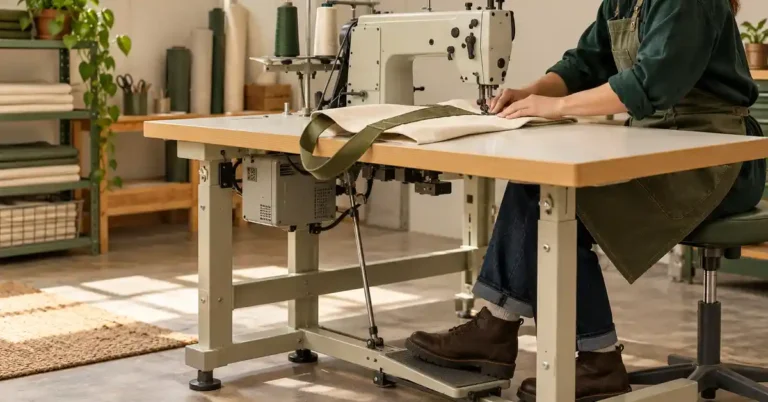
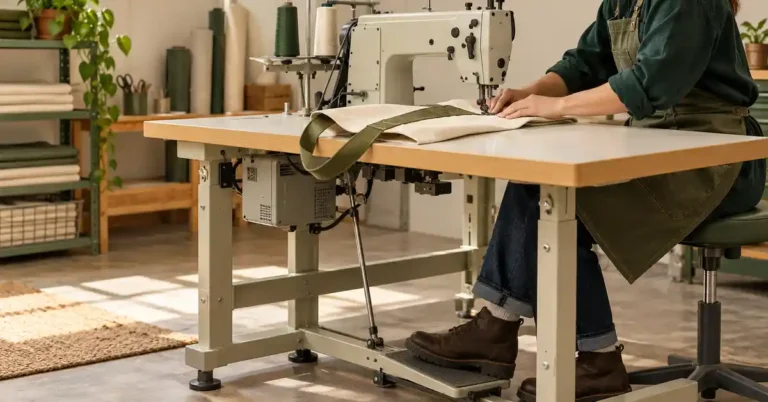
The arm of a sewing machine is the part that extends from the machine body, providing space for fabric manipulation. It’s essential for sewing, quilting, and embroidery, allowing you to maneuver your fabric freely. Understanding the arm’s design and functionality can enhance your sewing experience, making it easier to work on different projects.
Types of Arms
There are two primary types of sewing machine arms: flat arms and free arms. Each type offers unique advantages, depending on the type of sewing work you plan to undertake.
Flat Arm
A flat arm sewing machine features a flat surface, which is ideal for projects that require a stable base, such as quilting or sewing large pieces of fabric. The flat design allows for even feeding of the fabric, making it easier to achieve precise seams.
Free Arm
On the other hand, free arm machines have an arm that can be lifted away, providing a cylindrical space for sewing cuffs, sleeves, and hems. This feature allows for better maneuverability and access to tricky areas of the fabric, making it a popular choice among garment sewists.
Components of the Arm
The arm of a sewing machine consists of various components that work together to facilitate sewing. Here are some key parts:
| Component | Function |
|---|---|
| Needle Bar | Holds and moves the needle up and down. |
| Presser Foot | Holds the fabric in place while sewing. |
| Feed Dogs | Moves the fabric under the needle during sewing. |
| Thread Tension Mechanism | Controls the tension of the upper thread for consistent stitches. |
Understanding these components can help you troubleshoot issues and maintain your machine effectively.
Choosing the Right Arm for Your Needs
When selecting a sewing machine, consider the following factors regarding the arm:
- Type of Projects: Think about the types of sewing projects you will undertake. For garments, a free arm is beneficial, while a flat arm suits quilting.
- Space: Assess your workspace. A machine with a larger arm may require more room, whereas a compact free arm machine can fit in tighter spaces.
- Ease of Use: Some machines may be easier to use than others. Look for models with user-friendly features that suit your skill level.
Maintenance Tips for the Arm
Proper maintenance of your sewing machine arm is vital for longevity and performance. Here are some essential tips:
- Regular Cleaning: Dust and lint can accumulate in the arm area. Clean it regularly with a soft brush and a lint roller.
- Lubrication: Some machines require periodic lubrication. Refer to your user manual for guidance on where and when to oil your machine.
- Check for Damage: Inspect the arm and its components for wear and tear. Replace any damaged parts to ensure smooth operation.
A: It’s best to clean your sewing machine after every few sewing sessions, especially if you work with fabrics that shed lint.
A: While you can use a free arm machine for quilting, a flat arm machine is generally better suited for large fabric pieces and provides more stability.
A: If the arm is stuck, check for any thread jams or debris. If the issue persists, consult a professional technician.
By understanding the arm of your sewing machine, you can make more informed decisions about your sewing projects and enhance your overall experience. Whether you choose a flat or free arm machine, ensure that it aligns with your sewing needs and preferences. Proper maintenance is essential for keeping your sewing machine in top condition, allowing you to create beautiful projects with ease. If you’re looking to expand your sewing capabilities, consider exploring different types of sewing machines, such as the embroidery machine Innovis which stands out in 2026, or great entry-level machines that you’ll love for their versatility and ease of use. Don’t forget to check out our review on what you can make with an embroidery machine to inspire your next project. Happy sewing!