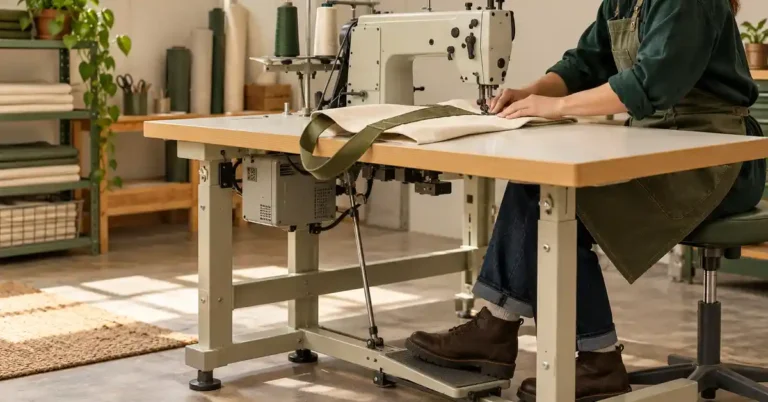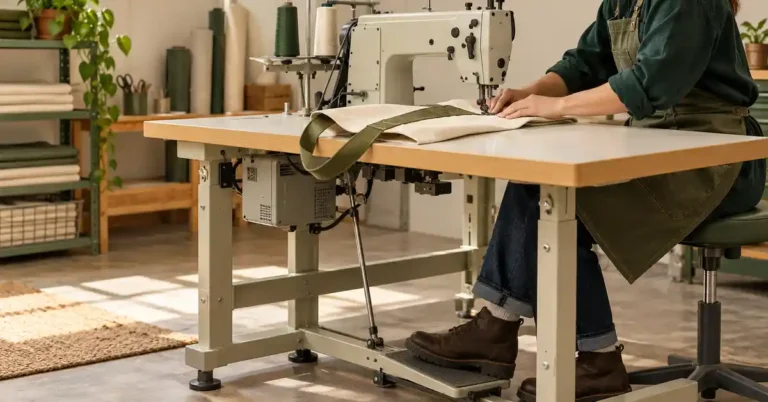
When it comes to the world of sewing machines, few brands hold as much history and prestige as Bernina. Founded in Switzerland in 1893, Bernina has a long-standing reputation for crafting high-quality sewing and embroidery machines. While many enthusiasts gravitate towards the latest models, there is a rich tapestry of Bernina sewing machines old that continue to capture the hearts of hobbyists and professionals alike. These vintage machines offer not only nostalgia but also remarkable durability and functionality.
The History of Bernina Sewing Machines
Bernina’s journey began in 1893 when the company was founded by Karl Friedrich Gegauf in Steckborn, Switzerland. The brand quickly gained recognition for its innovative designs and reliable machines. By the mid-20th century, Bernina had introduced several models that would become classics, embodying the essence of quality craftsmanship. Each machine was built to last, and many of these older models are still in use today, cherished by their owners.
Key Features of Old Bernina Sewing Machines
Old Bernina sewing machines are celebrated for several standout features that set them apart from their contemporaries:
1. Durability
One of the hallmarks of Bernina machines, especially the older models, is their exceptional durability. Constructed with high-quality materials, these machines are designed to withstand years of use without compromising performance.
2. Mechanical Simplicity
Many vintage Bernina machines feature a more straightforward mechanical design, which can make them easier to repair and maintain. This simplicity appeals to those who enjoy hands-on sewing and machine care.
3. Precision Engineering
Bernina is known for its precision engineering. Older models often have a reputation for producing flawless stitches, making them ideal for quilters and garment makers alike.
4. Versatility
Older Bernina machines are often versatile, able to handle a wide range of fabrics and sewing techniques. From quilting to heavy upholstery, these machines can tackle various projects with ease.
Popular Old Bernina Models
Over the years, several vintage Bernina models have become favorites among sewing enthusiasts. Here are a few notable examples:
1. Bernina 830
Produced in the late 1970s, the Bernina 830 is often hailed as one of the best vintage models. It features a solid metal construction, a wide range of stitch options, and a built-in walking foot, making it perfect for quilters.
2. Bernina 1008
The Bernina 1008, introduced in the 1980s, is known for its reliability and ease of use. It offers a selection of basic stitches and a free arm for garment sewing, making it a great choice for beginners and experienced sewists alike.
3. Bernina 1230
Launched in 1990, the Bernina 1230 is a favorite among quilters. It features an automatic thread cutter, adjustable presser foot pressure, and a variety of decorative stitches. Its advanced features for the time make it a sought-after model today.
4. Bernina 440QE
The Bernina 440QE, released in the early 2000s, combines modern technology with traditional Bernina craftsmanship. It offers features like a built-in embroidery module and a large selection of stitches, appealing to those who want a mix of old and new.
Maintaining Your Old Bernina Sewing Machine
Owning a vintage Bernina sewing machine comes with the responsibility of proper maintenance to ensure its longevity. Here are some essential maintenance tips:
1. Regular Cleaning
Dust and lint can accumulate in your machine, affecting its performance. Regularly clean the bobbin area, feed dogs, and needle plate using a soft brush and a vacuum cleaner attachment.
2. Oil the Machine
Many older mechanical machines require regular oiling to keep moving parts lubricated. Refer to your machine’s manual for oiling points and use high-quality sewing machine oil.
3. Check Tension Settings
Improper tension can lead to stitching issues. Regularly check and adjust the tension settings according to the fabric you’re using, ensuring smooth and even stitches.
4. Store Properly
When not in use, cover your Bernina machine to protect it from dust and sunlight. Consider storing it in a padded case for added protection.
Where to Buy Vintage Bernina Machines
Finding a vintage Bernina machine can be an exciting treasure hunt. Here are some places to look:
1. Online Marketplaces
Websites like eBay, Etsy, and Craigslist often feature listings for vintage Bernina machines. Be sure to read reviews and seller ratings before making a purchase.
2. Local Thrift Stores and Estate Sales
Thrift stores and estate sales can be goldmines for finding older sewing machines. Keep an eye out for local sales in your area, as you might stumble upon a hidden gem.
3. Sewing Machine Dealers
Some sewing machine dealers specialize in vintage models. They often refurbish machines, ensuring they are in excellent working condition before selling them.
4. Sewing and Quilt Shows
Attending sewing and quilt shows can provide opportunities to buy vintage machines directly from other sewists or vendors specializing in older models.
A: Absolutely! They are known for their durability, precision, and simplicity, making them a great investment for both hobbyists and professionals.
A: You can identify the age of your Bernina machine by checking the serial number, which is typically located on the machine’s body. You can then consult Bernina resources or their website for more information on the model and year of manufacture.
A: Yes, many parts for older Bernina models are still available. Check with specialty dealers or online marketplaces for replacement parts and accessories.
Frequently Asked Questions
A: Vintage Bernina machines offer superior durability, ease of repair, and excellent stitch quality. They also provide a tactile sewing experience that many modern machines cannot replicate.
A: Yes, many vintage Bernina models are user-friendly and ideal for beginners. They often have straightforward mechanical functions that can help new sewists learn the basics without being overwhelmed by technology.
A: Prices for vintage Bernina machines can vary widely depending on the model, condition, and included accessories. You may find machines ranging from $100 to $1,000 or more.
Conclusion
Bernina sewing machines old represent a timeless blend of quality, durability, and craftsmanship. Whether you’re a seasoned sewist or a beginner looking for a reliable machine, the vintage models from Bernina continue to be a worthy investment. With proper care and maintenance, these machines can provide years of dependable service, allowing you to create beautiful projects with ease. As you explore the world of vintage sewing machines, remember to take your time and choose a model that fits your sewing style and needs. Happy sewing!