The best sewing machine for travel should be manageable to carry, protected in transit, and capable of the work waiting at your destination. A light machine is not automatically a useful retreat companion if it lacks the controls or stitches you need. This guide compares portable household options and explains packed weight, cases, power, workspace, and preparation so you can travel with a practical sewing setup rather than unnecessary luggage.
As an Amazon Associate, Practical Textile earns from qualifying purchases. Product links may earn us a commission.
Quick Answer
Compare the Brother GX37 for a mechanical travel setup, the CS5055 for a focused computerized option, and the XR9550 when broader project features justify carrying more accessories. Judge portability by the complete packed kit and your ability to move it safely. Confirm destination power requirements and protect the machine rather than treating its handle or dust cover as a transport case.
This guide compares published specifications and project fit; it does not report hands-on testing.
Brother GX37
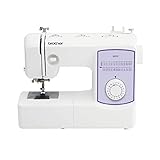
Compare a relatively light household model with the complete case and accessory load.
Brother CS5055
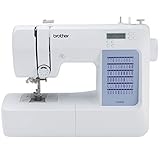
A focused computerized option for suitable class and retreat projects.
Brother XR9550
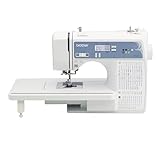
Consider when speed control and project versatility are worth the packing space.
Match the Machine to the Kind of Trip
A weekly class, a car-based quilting retreat, and an international flight create different portability requirements. For a class, you may only need to carry the machine between a parking space and a table. A flight adds baggage rules, handling risks, and power compatibility questions. A machine that works well for one route is not automatically the best choice for another.
Start with the sewing planned at the destination. Ask the instructor which stitches and feet are required, whether an extension table is useful, and whether machines are available on site. If rental or classroom equipment is suitable, using it may be easier than transporting your own. Bringing a familiar machine is valuable only when the travel arrangements are realistic.
This shortlist concerns full-size household sewing, not miniature novelty machines or portable industrial equipment. A smaller format should not be assumed capable of the same jobs. Compare the actual features and transport plan instead of selecting the smallest object described as a sewing machine.
| Machine | Travel role | Main check |
|---|---|---|
| Brother GX37 | Mechanical household sewing away from home | Case fit, pedal control, and required project stitches |
| Brother CS5055 | Focused computerized class setup | No independent speed slider or automatic cutter |
| Brother XR9550 | More varied retreat work | Packed accessories and table space at the destination |
Brother GX37: A Mechanical Model to Compare for Carrying
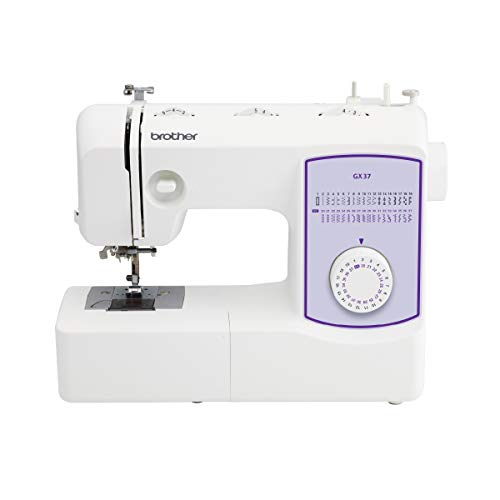

Brother lists the GX37 at approximately 10.14 pounds for the machine itself. That makes it a useful model to compare when carrying weight matters, but the number excludes the protective case, controller, power connection, fabric, and tools. Weigh your complete kit before deciding it will be comfortable to move through a station, airport, or large retreat venue.
The GX37’s mechanical controls may appeal if you want the same direct dial-based interface at home and away. It remains an ordinary household sewing machine with model-specific limits. Confirm that its stitches and compatible feet cover the class requirements rather than assuming that any general-purpose machine will suit every lesson.
Try sewing at a slow, controlled pace before choosing it for travel. A destination with a different chair, table height, or floor surface can make pedal control feel unfamiliar. The best travel experience starts with a model you can already thread and operate comfortably, rather than a purchase opened for the first time on arrival.
Our Brother machine comparison helps establish the GX37’s general role. It is useful to compare that role with the two computerized choices below without confusing a broader feature list with greater portability.
Brother CS5055: Computerized Selection Without a Large System
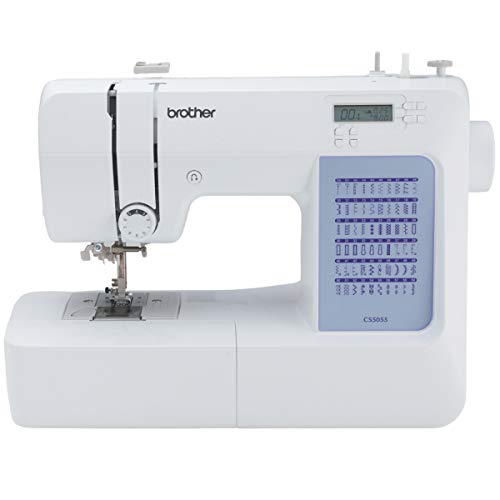
The Brother CS5055 is a computerized household option with a listed machine weight of about 10.5 pounds. The small difference from the GX37’s bare-machine figure should not determine the purchase by itself. Case design, how the machine is carried, and the items packed around it can matter more than a modest difference in the specification table.
Its interface offers a different stitch-selection experience from a mechanical dial. Compare whether that interface is comfortable for the work you plan. Do not assume it has every convenience associated with computerized machines: the CS5055 does not provide an independent speed slider, automatic thread cutter, or start/stop sewing button.
For a general sewing class, a focused machine can reduce the temptation to carry unnecessary accessories. Pack the feet required by the lesson and the needles and bobbins approved for the model. If the class teaches a specialist operation, ask about compatibility before booking instead of discovering on the day that the supplied attachment will not fit.
Read our computerized beginner guide if you are still learning this operating style. A familiar setup is especially helpful when you will have limited time to work at the destination.
Brother XR9550: Bring Broader Features Only When You Need Them
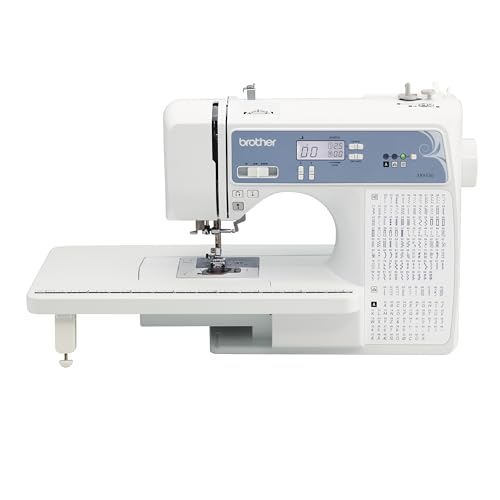
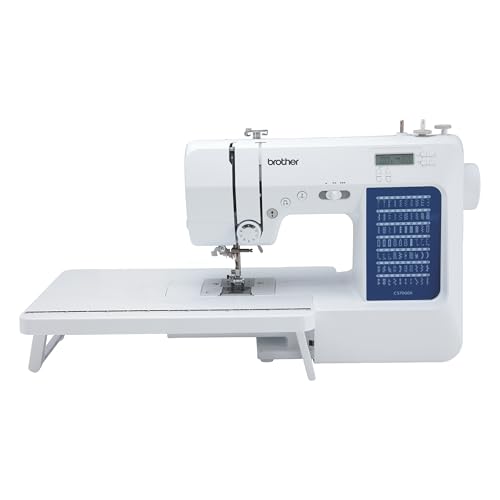
The Brother XR9550 is a broader household option for someone who values an independent speed slider and varied project capability. It can make sense for a retreat where the planned work benefits from those controls. However, its wide table and accessories occupy luggage and workspace, so decide which pieces are genuinely needed.
A large table can help support suitable work after arrival, but it may be unnecessary for a class focused on small samples. Check the instructor’s setup and the size of the station. Bringing every included accessory can create clutter that interferes with sewing and increases the chance of leaving something behind.
Choose the XR9550 for the features you will use at home and away, not solely because it appears on a travel shortlist. Our computerized versus mechanical guide can help decide whether the interface and controls fit your preference before transport considerations narrow the choice.
Useful Reasons to Compare These Models
- They retain practical household sewing capability for suitable projects.
- The shortlist includes mechanical and computerized interfaces.
- The two lighter options have published bare-machine weights to compare.
- The broader model adds speed control for buyers who need it.
- Each can be evaluated against a specific class or retreat checklist.
Travel Limits to Remember
- Bare-machine weight does not describe the full packed kit or its carrying comfort.
- No machine choice removes the need to check power, transport rules, and protective packing.
Compare Packed Weight and Carrying Method
Put the machine, case, controller, cord, tools, and planned accessories on a scale together. Then test whether you can lift the packed case to the height required by your vehicle or transport arrangements. A rolling case may reduce carrying over level ground but can still require lifting on stairs or across uneven surfaces.
Consider the size and balance of the load as well as its mass. A case with a comfortable handle and secure support can be easier to manage than a lighter but awkward bag. Follow the case maker’s weight and machine-size limits, and do not assume that any generic sewing case supports every model safely.
If you need to move fabric separately, plan a second bag or organizer that does not overload the machine case. Keep the route realistic: a short carry from a car is different from several transfers and a long walk. A good portability decision should account for your own mobility and available assistance.
Protect the Machine and Its Protruding Parts
A dust cover is intended to keep dust off a stored machine; it should not be treated as equivalent to an impact-resistant transport case. Choose protection that fits the machine and keeps accessories from pressing against exposed parts. Consult the machine and case instructions for the recommended transport arrangement.
Keep the controller and cords secured so they cannot strike the machine during movement. Protect removable accessories and store sharp items appropriately. Avoid improvised packing that puts pressure on the handwheel, spool pins, screen, or other exposed components. A case should support the load rather than merely conceal it.
For a car trip, secure the packed machine against sliding and tipping according to a sensible transport plan. Do not leave it loose where a sudden stop can send it into other luggage. Consider temperature and moisture exposure during the trip, and inspect the machine before use if the journey involved unusual conditions.
Check the Destination Power Before Plugging In
Read the electrical rating on the actual machine and consult its manual before using it away from home. A plug adapter changes the plug shape; it does not establish that the machine accepts a different supply voltage or frequency. Do not assume that a model sold for the US market is suitable for every international destination.
For unfamiliar power arrangements, obtain guidance from the manufacturer or a qualified provider familiar with the equipment. A hotel outlet or travel accessory advertised as universal does not by itself confirm compatibility. If using an appropriate local machine avoids an uncertain electrical setup, that may be the better travel option.
At a retreat or classroom, check how power will be provided and whether organizers supply approved connections. Keep cords clear of walking routes and the moving project. Do not build a complicated extension arrangement simply to reach the only empty space on a crowded table.
Flights and Public Transport Need Separate Planning
Check the current rules of the airline, security authority, and route before packing. Allowable baggage size and weight, sharp-tool restrictions, and handling arrangements can change and vary. This guide does not provide a standing permission to carry a machine or a particular tool through any specific airport.
Measure the packed case, including wheels and handles, rather than relying on the machine’s dimensions. Consider how the machine would be protected if your original baggage plan changes at the gate. If safe transport cannot be arranged, renting or borrowing suitable equipment at the destination may be preferable.
For trains and buses, check luggage provisions and how you will manage the load without blocking access. Think through transfers and stairs in advance. A machine that is easy to lift onto a home table may become a difficult item to manage while carrying several other bags in a crowded station.
Pack a Project Kit Instead of the Whole Sewing Room
Read the lesson or project instructions and pack only the materials and accessories required. Bring the correct bobbins, suitable thread, compatible needles, essential feet, and a copy of the relevant manual sections. Label small storage boxes so you can distinguish parts quickly and avoid using a similar-looking bobbin from another student’s machine.
If you plan a walking-foot operation, verify fit before traveling. Our Brother walking-foot guide is a starting point, with the exact accessory and model instructions controlling compatibility. Test the attachment at home rather than adding an untried part to the case.
Prepare a small sample of your project fabric for setup after arrival. Our needle-size guide can help you plan appropriate supplies for compatible models. Keep a record of the successful home setup so you can check the machine systematically at the destination.
Set Up and Test Before Starting Important Work
Place the machine on a stable surface and arrange the pedal, chair, lighting, and fabric support. Check for obvious transport damage and follow the manual’s setup process. Thread the machine correctly and sew the prepared sample before working on the project. This establishes whether the setup survived the journey and suits the new workspace.
If the stitch changes, stop and inspect basic setup before changing multiple controls. Our Brother tension adjustment guide offers a structured approach for relevant machines. A transport-related snag or threading issue should not trigger random adjustment of every tension mechanism.
At departure, use a short inventory checklist. Confirm that the pedal, cord, feet, bobbins, table, and personal tools are packed. Keeping the kit consistent between trips reduces forgotten items and makes it easier to notice when something is missing before you leave the venue.
Frequently Asked Questions
What is a good weight for a travel sewing machine?
There is no universal ideal. Compare the complete packed weight with the distance, stairs, and lifting your trip requires. The machine’s listed weight is only the starting point; case design and your own carrying comfort matter too.
Can I use a US sewing machine overseas with a plug adapter?
Do not assume so. Check the actual machine’s electrical rating and manufacturer guidance for the destination supply. A plug adapter alone does not change voltage or establish electrical compatibility.
Is a miniature machine better for travel?
Only if its actual capabilities match the work and its operation is suitable. Small size does not guarantee useful stitch quality, stability, or compatibility with class projects. Compare a real sample and the required operations.
Should I bring an extension table to a sewing class?
Ask the instructor. It may help support certain projects but can occupy unnecessary space for small samples. Check the station dimensions and lesson requirements before deciding which accessories to pack.
Which shortlisted model should I compare first?
Try the GX37 if you prefer mechanical controls, the CS5055 for a focused computerized interface, or the XR9550 when its broader controls justify the kit. Choose after comparing the fully packed setup and the destination project requirements.
Final Recommendation
Choose a travel machine through the whole journey: the project, the packed case, the route, the power supply, and the destination workspace. The GX37, CS5055, and XR9550 offer different household roles. A familiar, appropriately protected machine with a carefully selected kit is more useful than the lightest option if that lighter machine cannot complete the work you traveled to do.