
Best Spray Paint for a Guitar Body (Nitro vs Poly vs Acrylic)
Refinishing a guitar? Compare nitrocellulose lacquer, acrylic lacquer and 2K poly spray paint, plus the prep, primer and clear coat steps for a glossy finish.

This guide has Amazon links. If you buy through them we may earn a small commission, at no extra cost to you.
The best spray paint for a guitar is a lacquer made for instruments – nitrocellulose lacquer for a vintage look and easy touch-ups, or acrylic lacquer for a durable, easier modern finish. Automotive 2K polyurethane gives the hardest factory-style shine but needs a respirator and proper spray setup. General hardware spray paint works for a fun project, but it stays softer and can react with the original finish.
What’s in this article4 sections
Spray paint types for guitars
| Type | Finish | Pros | Cons |
|---|---|---|---|
| Nitrocellulose lacquer | Thin, vintage, ages and checks | Classic tone and look, easy repairs | Slow to cure (weeks), softer |
| Acrylic lacquer | Glossy, stays clearer | Easier for beginners, less yellowing | Not as “vintage” |
| 2K polyurethane (automotive) | Thick, very hard gloss | Most durable | Toxic isocyanates – needs full respirator |
| Enamel / general spray paint | Varies | Cheap, many colours | Soft, may wrinkle over lacquer |

- THE ORIGINAL CLASSIC FORMULA: ColorTone Classic is our original nitrocellulose lacquer...
- VINTAGE LOOK THAT AGES BEAUTIFULLY: A slight amber tint gives a traditional vintage look...
- MELTS IN FOR A SEAMLESS FINISH: It sprays thin and melts into previous coats, which makes...
- FAST-DRYING NITROCELLULOSE: Formulated specifically for musical instruments. Fast-drying...
- HOW MANY CANS: Plan on 1 can of sealer and 4 to 6 cans of clear for a complete guitar, or...

- CLASSIC FORMULA IN SATIN: The same vintage ColorTone Classic nitrocellulose formula as...
- BUILT-IN FLATTENER: Creates an even satin sheen and needs fewer coats than gloss
- GREAT FOR NECKS: A favorite for necks and for players who prefer a low-gloss, fast-feeling...
- DO NOT SAND OR BUFF THE LAST COAT: The final coat self-levels. Sanding or buffing it would...
- FAST-DRYING NITROCELLULOSE: Formulated specifically for musical instruments. Fast-drying...

- CLASSIC BLACK GLOSS: A deep opaque black favored by both Fender and Gibson, exactly what...
- SPRAY ONLY ENOUGH TO HIDE THE WOOD: Seal first with heavy-bodied ColorTone Sanding Sealer...
- FAST-DRYING NITROCELLULOSE: Formulated specifically for musical instruments. Fast-drying...
- HOW MANY CANS: A complete guitar typically takes 1 can of sealer, 1 can of color and 4 to...
- BUILD THE COMPLETE FINISH: Seal with ColorTone Sanding Sealer or Vinyl Sealer, add color...
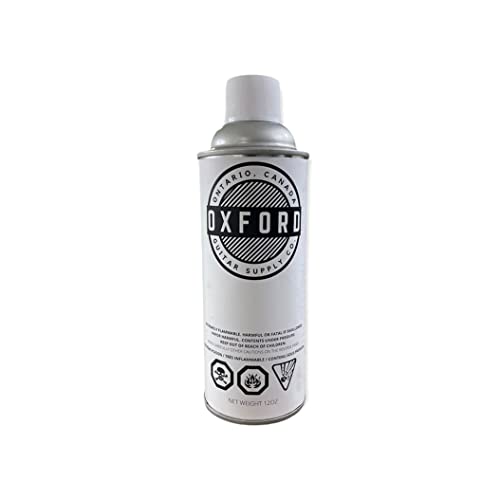
- Offers the most desired qualities, specific to instrument makers and players.
- Prone to cold weather checking and ambering over time
- 12oz Aerosol tin
- Made in Canada
How to spray paint a guitar body
- Remove neck, hardware and electronics; mask the neck pocket and cavities.
- Sand the old finish (scuff with 320 grit if keeping it, strip if it’s peeling).
- Fill grain on open-pore woods like ash or mahogany.
- Spray a compatible sanding sealer or primer.
- Apply colour in light coats, 15–30 minutes apart.
- Apply 6–10 light clear coats.
- Let it cure fully – nitro needs about 3–4 weeks before wet sanding.
- Wet sand (1000 → 2000 grit) and buff to a gloss.
Tips
- Use the same paint system for primer, colour and clear to avoid reactions.
- Spray in a warm, dry, dust-free space – humidity causes cloudy “blushing” in lacquer.
- Wear a respirator rated for organic vapours.
Frequently asked questions
Can I use regular spray paint on a guitar?
Yes for a casual project, but it's softer than lacquer and may react with the old finish. Test first.
How long does guitar lacquer take to cure?
Nitro lacquer needs about 3–4 weeks before wet sanding and buffing.
Does paint affect guitar tone?
Thin finishes like nitro are often preferred, but on solid-body electrics the effect is small.