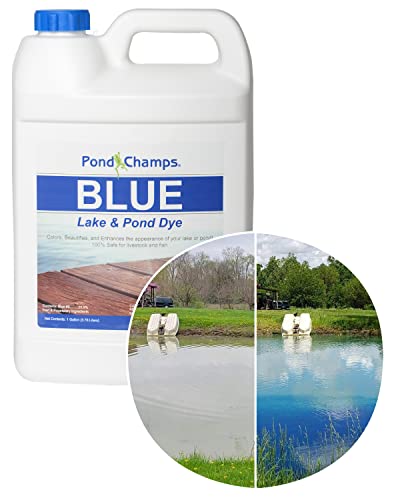

Maintaining a picturesque and healthy pond is a goal for many property owners. One popular method to enhance the aesthetic appeal and ecological balance of your pond is by using blue lake pond dye. This dye not only beautifies the water but can also improve the overall health of the aquatic ecosystem. In this article, we will explore the benefits, applications, and best practices for using blue lake pond dye, along with answering some frequently asked questions.
Table of Contents
- What is Blue Lake Pond Dye?
- Benefits of Using Blue Lake Pond Dye
- How to Use Blue Lake Pond Dye
- Environmental Impact of Pond Dye
- Safety Considerations
- Frequently Asked Questions
What is Blue Lake Pond Dye?
Blue lake pond dye is a non-toxic, water-soluble dye designed specifically for ponds and lakes. It is commonly made from natural ingredients and is often used to achieve a beautiful blue color in water bodies. This dye works by absorbing sunlight and reducing the amount of light that penetrates the water, which can help control unwanted aquatic plants and algae. The dye is typically safe for fish, wildlife, and plants when used according to the manufacturer’s instructions.
Benefits of Using Blue Lake Pond Dye
Using blue lake pond dye offers a variety of benefits that can enhance both the appearance and health of your pond. Here are some of the key advantages:
1. Aesthetic Enhancement
Blue lake pond dye adds a vibrant blue color to your pond, creating a stunning visual effect that can enhance the overall landscape aesthetics. This is particularly beneficial for decorative ponds in gardens or backyards.
2. Algae Control
One of the primary benefits of pond dye is its ability to inhibit algae growth. By blocking sunlight, the dye helps reduce the conditions that favor algae proliferation, leading to clearer water and a healthier ecosystem.
3. Improved Water Clarity
By limiting the penetration of sunlight, blue lake pond dye helps maintain clearer water. This not only enhances the visual appeal of the pond but also improves conditions for fish and other aquatic organisms.
4. Temperature Regulation
The dye can help regulate water temperature. A cooler pond environment is often more conducive to the health of fish and other aquatic life, particularly during hot summer months.
How to Use Blue Lake Pond Dye
Using blue lake pond dye is relatively straightforward, but it requires careful consideration to achieve the best results. Here’s a step-by-step guide on how to properly apply pond dye:
Step 1: Determine the Right Amount
The amount of dye needed depends on the size of your pond and the desired intensity of color. Most products will provide guidelines on how much dye to use per acre-foot of water. For example, a common recommendation may be 1 quart of dye per 1 acre of water that is 1 foot deep.
Step 2: Prepare for Application
Before applying the dye, ensure that the pond is free from excessive debris and floating plants. Consider using a pond rake to remove any unwanted vegetation that could interfere with the dye’s effectiveness.
Step 3: Apply the Dye
Use a pump or a sprayer to evenly distribute the dye across the surface of the water. Avoid dumping large quantities in one spot, as this can lead to uneven coloration. Instead, move around the pond while applying the dye to ensure even coverage.
Step 4: Monitor and Reapply
After application, observe the water color over the following days. Depending on rainfall, evaporation, and water movement, you may need to reapply the dye every 4 to 8 weeks to maintain the desired color intensity.
Environmental Impact of Pond Dye
When used correctly, blue lake pond dye is generally considered safe for the aquatic environment. However, it’s essential to consider the following aspects:
1. Non-Toxic Composition
Most pond dyes are made from natural, biodegradable ingredients that are safe for fish, plants, and wildlife. Always choose a product that is labeled as non-toxic and environmentally friendly.
2. Effects on Aquatic Life
While pond dye is safe for most aquatic life, it’s crucial to monitor the health of your pond following application. Some sensitive species may react differently, so keep an eye on fish and plant health.
3. Impact on Photosynthesis
While one of the main benefits is reducing algae growth by limiting sunlight, excessive dye can also inhibit photosynthesis in beneficial aquatic plants. Striking a balance is key to maintaining a healthy ecosystem.
Safety Considerations
When using blue lake pond dye, safety should be a priority. Here are some considerations to keep in mind:
1. Personal Protection
Always wear gloves and protective eyewear when handling pond dye to prevent skin and eye irritation. If dye comes into contact with your skin, wash it off immediately with soap and water.
2. Keep Away from Drinking Water Sources
Ensure that the dye does not enter drinking water supplies. Avoid application near wells or other sources of potable water to prevent contamination.
3. Observe Local Regulations
Some local regulations may restrict the use of certain dyes in natural water bodies. Always check local guidelines before application to ensure compliance.
A: The duration of the dye’s effectiveness can vary based on several factors, including rainfall, evaporation, and water movement. Typically, it lasts between 4 to 8 weeks before needing reapplication.
A: Yes, most blue lake pond dyes are non-toxic and safe for fish when used according to the manufacturer’s instructions.
A: While many pond dyes are non-toxic, it is advisable to consult with the manufacturer and ensure the dye is safe for recreational water use before applying it to swimming ponds.
A: Blue lake pond dye can inhibit light penetration, which may affect the growth of some aquatic plants. It’s essential to monitor plant health after application and adjust usage as needed.
Conclusion
Blue lake pond dye is an effective and aesthetically pleasing solution for enhancing the appearance and health of your pond. Whether you’re looking to control algae, improve water clarity, or simply create a stunning visual impact, this dye offers numerous benefits when used responsibly. Always follow application guidelines, monitor your pond’s health, and prioritize the safety of both aquatic life and human users. With careful consideration and proper techniques, you can enjoy a beautiful, thriving pond for years to come.