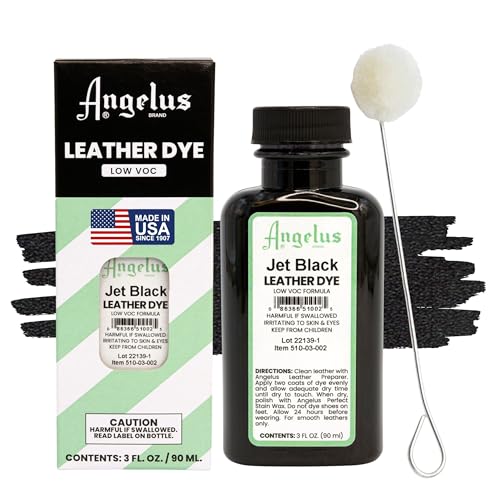

When it comes to personalizing or restoring leather bags, using a brand dye for leather bag can be an effective solution. Whether you want to give an old bag a fresh look or customize a new one to reflect your personal style, choosing the right dye is essential. This guide will provide you with everything you need to know about selecting, applying, and caring for leather dyes, ensuring that your leather accessory not only looks great but also lasts for years to come.
Table of Contents
- Understanding Leather Dyes
- Choosing the Right Dye for Your Leather Bag
- Application Process for Leather Dyes
- Caring for Dyed Leather Bags
- Frequently Asked Questions (FAQs)
- Conclusion
Understanding Leather Dyes
Types of Leather Dyes
There are several types of leather dyes available in the market, each with specific uses and characteristics.
| Type of Dye | Description | Best For |
|---|---|---|
| Alcohol-Based Dyes | Fast-drying and deep-penetrating, these dyes offer vibrant colors. | Professional applications and detailed work. |
| Water-Based Dyes | Less toxic and easier to clean up, they are suitable for beginners. | Casual projects and DIY enthusiasts. |
| Oil-Based Dyes | These provide a rich color and are less likely to fade. | Outdoor leather goods and items exposed to moisture. |
How Dyes Work on Leather
Unlike paint, dyes penetrate the leather fibers, allowing the natural grain and texture to show through. This means that the item retains its original feel and flexibility, while taking on a new hue. However, this also means that improper application can lead to uneven coloring or damage to the leather.
Choosing the Right Dye for Your Leather Bag
Consider the Type of Leather
The type of leather used in your bag will significantly influence the choice of dye. Here are some common leathers and their dye compatibility:
- Full-grain leather: Best suited for alcohol-based or oil-based dyes.
- Top-grain leather: Can be dyed with water-based or alcohol-based options.
- Suede: Requires special suede dye for optimal results.
Identifying the Desired Color
Before purchasing dye, determine the exact color you want. Many brands offer color charts, but remember that the final result may differ depending on the leather’s original color and texture.
Checking for Compatibility
Make sure the dye is compatible with the type of leather and the finish on your bag. Some dyes may not adhere well to certain finishes, leading to poor results.
Application Process for Leather Dyes
Preparation Steps
Before applying the dye, preparation is key. Follow these steps to ensure a successful application:
- Clean the leather bag thoroughly to remove any dirt or oils.
- Dry the leather completely before starting the dyeing process.
- Gather your supplies, including gloves, applicators (brushes, sponges), and a work surface.
Applying the Dye
Follow these steps to apply the dye:
- Put on gloves to protect your hands from staining.
- Use an applicator to apply the dye evenly across the surface of the leather.
- Work in small sections to ensure even coverage.
- Use a clean cloth to wipe away any excess dye.
- Allow the dye to dry completely, which may take several hours or overnight.
Finishing Touches
Once the dye is dry, you may want to apply a leather conditioner or sealant to protect the new color and keep the leather supple. This step is crucial as it enhances the longevity of your bag.
Caring for Dyed Leather Bags
After dyeing your leather bag, proper care is essential to maintain its appearance and durability.
Regular Cleaning
Use a damp cloth to wipe down the bag regularly. Avoid soaking the leather, which can cause the dye to run or fade.
Conditioning the Leather
Apply a leather conditioner every few months to keep the leather hydrated. This will help prevent cracking and fading of the dye.
Storing Your Leather Bag
Store your leather bag in a cool, dry place, away from direct sunlight, which can cause the color to fade. Consider using dust bags for added protection.
Frequently Asked Questions (FAQs)
A: Generally, it is challenging to dye leather a lighter color due to the nature of dyes. It is best to darken the leather instead or consult a professional.
A: Drying time can vary depending on the dye type and the environment but generally ranges from a few hours to overnight.
A: If the dye is not properly set or sealed, it may rub off initially. Always follow up with a suitable sealant to minimize this risk.
Conclusion
Using a brand dye for leather bags can be a rewarding way to refresh your favorite accessory or give it a personal touch. By understanding the types of dyes available, how to apply them effectively, and how to care for your dyed leather, you can achieve stunning results that enhance the beauty and longevity of your bags. Remember to take the necessary precautions and follow the guidelines for the best outcome. Happy dyeing!